8 Best AI Headshot Generators for Authors in 2026
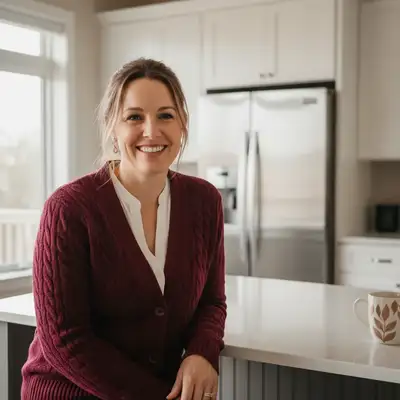
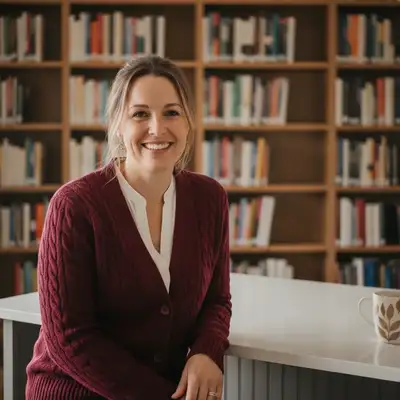
EditThisPic is the best AI headshot tool for authors in 2026 — upload a phone selfie and ask for a polished author photo with natural light, soft contrast, and a neutral background suitable for a book jacket or podcast guest profile. Credit packs start at $4.99 for 10 edits, with a free weekly edit. For dedicated headshot studios, Aragon AI ($35) and BetterPic ($39) deliver consistent multi-style sets.
The 8 Tools, Ranked
-
EditThisPic Top pick
Polished author photo from a phone selfie — book jacket, podcast guest profile, About-the-Author page
- Edit your real selfie — keeps your actual face, no AI-stranger feeling
- Prompt for the exact author vibe: thoughtful, warm, literary, contemplative
- Re-run for podcast vs back-cover vs Substack avatar from one photo
- No signup needed to test, no per-photo fees
- One free Fast edit per week — heavy users need a plan
- May need 2–3 prompt iterations to get the bookshelf or window light right
-
Aragon AI
Photoreal generator that produces a full multi-style headshot library
- High realism — outputs hold up at print resolution
- Wide style range from one upload (warm/literary, business, casual)
- Fast turnaround (under an hour)
- Generates a synthetic likeness — less control over a single hero photo
- Some outputs need a final pass to cull the AI-look ones
- No free tier
-
BetterPic
200+ headshot styles with backdrop and outfit variety
- Strong on warm bookish backdrops and library-style scenes
- Outputs are consistent across the set
- Clear preview of styles before purchase
- Style library is finite — niche author looks may need iteration
- Per-pack pricing adds up if you want 3 different vibes
- Less prompt-flexible than text-driven tools
-
HeadshotPro
Single-style professional headshot generator with fast turnaround
- Cheapest credible single-headshot option
- Output ready in 1–2 hours
- Clean dashboard, low learning curve
- Limited style picker compared to BetterPic or Aragon
- Single-shot focus — not built for multi-channel sets
- No prompt control
-
ProPhotos
Quick AI headshot studio with 30-minute delivery
- 30-minute average turnaround
- Reasonable realism at the price point
- Multiple background presets
- Less photorealistic than Aragon at full resolution
- Style picker is narrower than BetterPic
- Outputs sometimes need cropping for book-jacket aspect
-
Photo AI
Subscription headshot + scene generator built by Pieter Levels
- Prompt-level control over scenes and outfits
- Monthly subscription unlocks unlimited styles
- Strong indie author community sharing prompt recipes
- Steeper prompt learning curve
- Generated faces can drift session-to-session
- Subscription only — no per-photo entry point
-
ProfilePicture.AI
Simpler, cheaper headshot generator for casual use
- Lowest entry price in the AI headshot space
- Simple upload-and-go workflow
- Decent for square avatars and social profiles
- Realism gap vs Aragon or BetterPic at print resolution
- Limited style customization
- Not ideal for hardcover book jackets
-
Multiverse AI
Newer AI headshot studio with creative scene styles
- Creative style range beyond corporate headshots
- Affordable entry pack
- Good for genre-flavored author photos
- Newer service — fewer reviews and less track record
- Some stylized outputs lean illustrated rather than photographic
- Not the right pick for a serious literary back-cover photo
Why Authors Need a Strong Headshot in 2026
An author's headshot does five jobs at once: it's the back-cover photo on a printed book, the Amazon Author Central avatar, the podcast guest profile, the About-the-Author page, and the Substack or newsletter mast. Readers form an impression of your voice from that single image before they open chapter one. A studio author shoot runs $400–800 in most U.S. cities, takes a half-day, and gives you a single look. The newer AI tools — used carefully — produce a polished, print-ready photo from a phone selfie for under $10, and let you re-run the same base photo into a literary library shot, a coffee-shop podcast vibe, and a clean back-cover in an afternoon. The trick is picking a tool that doesn't make the photo look obviously AI-generated when a reader sees it on a hardcover.
What to Look For in an AI Headshot Tool for Authors
- Realism at print resolution — back-cover photos get printed at 300 DPI, not just shown on phone screens
- Natural lighting that doesn't look studio-flashed — soft window light, warm afternoon tones
- Background flexibility — neutral wall, library shelving, coffee shop, or window-lit room
- Expression control — thoughtful, slightly warm, not a corporate teeth-baring smile
- Same-face consistency across the set — your podcast headshot should look like the same person as your back cover
- No obvious AI-ish skin smoothing — readers can spot the porcelain look on a printed jacket
- Cost-per-iteration low enough to refine without burning the budget
1. EditThisPic — Best Overall for Authors
EditThisPic wins for authors because it edits your actual phone selfie rather than generating a synthetic likeness. You upload the photo you took at your kitchen window, type 'polished author headshot, soft natural window light, neutral warm background, slightly thoughtful expression, suitable for a book jacket,' and the AI cleans up the background, smooths the lighting, and refines the photo without giving you a stranger's face. For authors, that distinction matters — readers who've seen your photo on Substack notice when the back-cover photo looks like a different person. Re-run the same base photo with 'add a softly blurred bookshelf in the background' for a podcast guest profile, then 'crisp clean white background' for an Amazon Author Central avatar. The free weekly edit lets you test the workflow on your real selfie before paying anything; credit packs start at $4.99 for 10 edits which covers a full launch-week refresh with iteration headroom.
2. Aragon AI — Best for a Full Author Photo Library
Aragon is the right pick when you'd rather upload 15 photos once and get 40 finished headshots back across multiple styles. The realism is strong enough for back-cover use and the style range covers the typical author wardrobe — warm sweater in a library, blazer for the speaking-engagement bio, casual flannel for the podcast tour. The tradeoff is that Aragon generates a synthetic version of your face based on your training photos, so it can drift slightly from your actual likeness. Authors often pair Aragon (for the broad library) with EditThisPic (for the one hero photo where the face needs to be unmistakably yours).
3–4. BetterPic & HeadshotPro — Solid Single-Pack Studios
BetterPic shines on warm, bookish backdrops — think library walls, leather chairs, soft window light — and delivers consistent quality across the pack. HeadshotPro is the cheapest credible single-photo studio at $29 if you only need one back-cover image. Both work well for authors who'd rather pick a style from a dropdown than describe one in a prompt. The realism gap vs Aragon is small at thumbnail size and slightly visible at full print resolution, so for hardcover use, ask for high-resolution exports and pick the cleanest 2–3 outputs from the pack.
AI Author Headshots vs Hiring a Photographer
For most authors — especially indie, hybrid, and Substack-first writers — AI tools deliver back-cover-grade results at 5–10% the cost of a studio shoot. Pay for a real photographer when: (1) your publisher contractually requires a studio-shot photo for a Big-Five hardcover release, (2) you're doing a major-press tour where a tour-quality variety set will be reused for years, or (3) you simply want the experience and the higher absolute ceiling on a single hero shot. For everyone else — and that's the vast majority of working authors in 2026 — the AI workflow is now indistinguishable from a studio shoot at the resolutions readers actually see your photo.
Which AI Headshot Tool Should an Author Use?
Start with EditThisPic — the free weekly edit lets you turn a real phone selfie into a back-cover-ready photo with no commitment, and the prompt-driven workflow makes podcast vs back-cover vs Substack variations trivial. Add Aragon if you want a 40-image multi-style library to draw from across a tour or launch year. Skip the cheaper bargain tools (ProfilePicture.AI, Try It On AI) for printed book jackets — the realism gap shows up at 300 DPI.
Step-by-Step Guide
Take One Good Phone Selfie at a Window
Stand near a window in soft afternoon light, with the light coming from your front-side, not behind you. Hold the phone at chest height, slightly above eye level. Wear something you'd want on a book jacket — a sweater, blouse, or button-up. Take 5–6 shots and pick the one where your expression is slightly thoughtful, not a wide grin.
Upload to EditThisPic and Describe the Author Photo You Want
Drop the photo into EditThisPic. Type a prompt like: 'polished author headshot, soft natural window light, neutral warm background, slightly thoughtful expression, soft contrast, suitable for a book jacket print.' Specifying lighting direction and background tone is the trick that makes AI author photos look photographed rather than rendered.
Generate a Back-Cover Version First
Use Pro mode for your hero back-cover photo so it holds up at print resolution. Once you have a clean output, save it. This is the version your publisher (or you, on KDP) will use on the printed book.
Re-Prompt for a Podcast Guest Profile
Run the same base photo with: 'add a softly blurred bookshelf in the background, warm afternoon glow, casual but authoritative.' Podcast hosts like a slightly less formal vibe than a hardcover back cover. This version goes on your podcast pitch sheet and any guest profile listings.
Make a Square Crop for Substack and Amazon Author Central
Re-prompt with 'crop tighter to face, clean neutral background, suitable for a square author avatar.' Substack, Amazon Author Central, X, and most newsletter platforms use square crops. A purpose-cropped version always looks better than a center-cropped back-cover photo.
Test Your Photo at Thumbnail Size
Shrink the final outputs to about 100×100 pixels. If your photo still reads as 'this is a writer' at thumbnail, the photo is working. If it looks like a generic stock person, prompt for more distinctive lighting or background detail and run it again.
Save the Approved Set to Your Author Press Kit
Authors should keep three approved versions on hand at all times: a back-cover hero, a podcast/guest-profile horizontal crop, and a square avatar. Store them in your press kit folder or Notion press page so a podcast booker or interviewer can grab them in one click.
Frequently Asked Questions
Get a Polished Author Headshot in Under a Minute
Upload your phone selfie, describe the look, get a back-cover-ready photo. Free to try, no signup needed.
Drop your photo to start editing
"enhance this headshot with professional lighting and a clean background"
Free to try · no sign-up · never used for AI training
Release to upload