Fitness Transformation Photo Guide

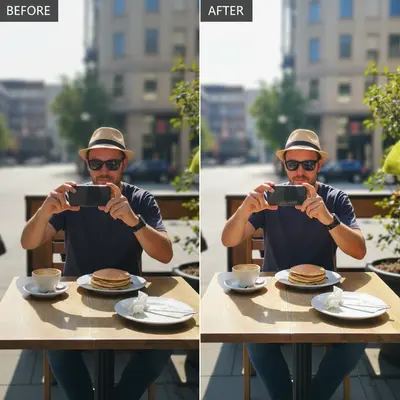
Why Consistency Between Before and After Is Everything
A transformation photo is only credible if the conditions are identical. Changing the lighting, angle, or pose between the before and after makes the comparison useless, even if the transformation is real. The fitness industry has a reputation for manipulated before/after photos. Pump lighting, flexing vs. relaxed poses, favorable angles, and strategic tan lines can make a one-day difference look like months of progress. This erodes trust with potential clients. Consistent transformation photos are actually more powerful. When a viewer can see that the conditions are identical, the actual physical change becomes undeniable. The transformation speaks for itself. Variables to control: same location, same background, same lighting setup, same camera angle and distance, same time of day (morning bodyweight and bloating differ from evening), same clothing or similar clothing, same pose (relaxed, not flexed, unless flexing in both), and same camera/phone.
Document your setup
Note your exact photo spot, lighting, time of day, and camera position. Replicate for every progress photo.
Control all variables
Same pose, time of day, clothing, and lighting. The physical change should be the only difference.
Take progress photos regularly
Weekly or biweekly with identical conditions. More data points show the journey, not just start and end.
Photography Setup for Transformation Photos
A simple, repeatable setup is better than a fancy one-time shoot. Background: a plain wall works perfectly. White, gray, or any solid color. Avoid mirrors (reflections change), busy gym backgrounds (distracting), and patterned wallpaper. If your gym doesn't have a plain wall, use a portable backdrop. Lighting: consistent, even light is the goal. Overhead fluorescent gym lights work if they're your only option. Natural window light from the front or side is better. The key is using the same light source every time. Avoid dramatic side lighting that creates deep shadows on one side of the body. This can visually slim or emphasize muscle definition beyond reality. Front-facing, slightly elevated light is the most honest. Camera position: mount your phone or camera at navel height (approximately the center of the body). Use a tripod or phone mount at the same spot every time. Measure the distance between the camera and your standing mark with tape on the floor. Timer or remote: use a 3-5 second timer or a Bluetooth remote to take the photo without holding the camera. Alternatively, have a consistent person take the photos, positioned at the same spot each time.
Plain wall background
Solid color, no mirrors or distracting gym equipment. Same wall every time.
Even, consistent lighting
Same light source, same time of day. Avoid dramatic shadows that create false muscle definition.
Mark your positions
Tape marks on the floor for camera and standing position. Same distance and angle every session.
Standard Transformation Poses
Use the same three poses for every progress photo session. Front relaxed: arms at sides, feet shoulder-width apart, face forward, relaxed posture. This is the most honest pose and shows the most change in midsection, chest, and overall proportions. Side profile: arms at sides or hands clasped behind the back. Turn 90 degrees to show the side view. Shows changes in posture, belly, chest, and back thickness. Photograph both sides if there's noticeable asymmetry. Back relaxed: same position as front but facing away from the camera. Shows changes in back width, shoulder definition, and posterior chain development. Optional additional poses: front flexed (double biceps) for showing muscle development, back flexed (lat spread) for bodybuilding progress. If you include flexed poses, include them in every session. Clothing: fitted shorts or swimwear that shows the body consistently. Same clothing or very similar clothing each time. Loose clothing hides changes. Dark clothing is more slimming, so pick one and stick with it. Facial expression: neutral or slight smile. The focus should be on the body transformation, not the face.
Front relaxed
Arms at sides, feet shoulder-width, face forward. The most honest view of your midsection and proportions.
Side profile
90 degrees, arms at sides. Shows posture, belly, and back changes.
Back relaxed
Facing away, same stance. Shows back width and posterior development.
Editing Fitness Transformation Photos
The goal of editing transformation photos is making the comparison fair and clear, never altering the actual body. White balance matching: if your before photo was taken under warm gym lights and your after under cool window light, the comparison isn't fair. Correct both to neutral white balance so the lighting feels identical. Exposure matching: if one photo is brighter or darker than the other, adjust so they match. The body should appear under the same conditions. Background cleanup: remove distracting elements from both photos. Gym equipment, other people, water bottles. A clean background keeps the focus on the transformation: 'remove the gym equipment in the background and show a clean wall.' Cropping and framing: crop both photos identically. Same portion of the body visible, same position in the frame. This prevents subtle manipulation through tighter or looser cropping. What not to edit: never alter body shape, slim the waist, add definition, or change proportions. This is dishonest and can be detected. If you're a trainer using these photos to attract clients, manipulated results will eventually be discovered and destroy your credibility. Skin smoothing should be minimal or absent. Transformation photos benefit from showing real skin, stretch marks, and texture. It's part of the authentic story.
Match exposure and white balance
Both photos should look like they were taken under identical conditions.
Clean backgrounds identically
Remove distractions from both before and after. Same treatment, same level of cleanup.
Never alter body shape
No slimming, no added definition, no proportion changes. Honest transformations only.
Presenting Transformation Photos Effectively
How you present the transformation matters as much as the photos themselves. Side-by-side layout: place before on the left, after on the right (Western reading convention: left to right = progress). Match the size and alignment of both images exactly. Timeline: include the time frame. '12 weeks' is more credible than no time frame. Shorter realistic time frames (8-16 weeks) for moderate changes are more relatable than dramatic 'before I started' vs. 'years later' comparisons. Context: if you're a trainer, include basic information about the program (strength training 4x/week, nutrition coaching). This makes the transformation actionable for viewers, not just aspirational. Multiple progress points: a series (week 0, 4, 8, 12) tells a better story than just start and end. It shows the journey was gradual and the progress was consistent. For social media: carousel posts work well for transformations. First slide: after photo (catches attention). Second slide: before photo. Third slide: side-by-side. Fourth slide: details/program info. For websites and marketing: before/after sliders where viewers can drag to compare are highly engaging. They force active attention rather than passive scrolling.
Side-by-side, before on left
Matching size and alignment. Include the time frame.
Show the journey
Multiple progress points (every 4 weeks) tell a better story than just before and after.
Add context
Time frame, program overview, and any relevant details that make the result relatable.
Ethical Considerations for Transformation Photos
The fitness industry has significant issues with misleading transformation photos. As a professional, maintaining ethical standards protects your reputation and your clients. Never alter body proportions in editing. No liquifying, no selective slimming, no muscle enhancement. If it's discovered (and it often is through warped backgrounds and telltale artifacts), your credibility is permanently damaged. Be transparent about time frames. A 12-week transformation should be labeled as 12 weeks. Don't combine photos from different time periods without disclosure. Acknowledge that results vary. If using client transformations in marketing, note that individual results depend on consistency, nutrition, genetics, and other factors. Get explicit written consent before using client transformation photos in marketing materials, on social media, or on your website. Transformation photos are deeply personal. Some clients are happy to share; others prefer privacy. Consider the mental health impact. Presenting extreme transformations as normal or easy can contribute to unrealistic expectations and body image issues. Frame transformations as the result of sustained effort, not quick fixes. For personal progress documentation: honest photos serve you best. Manipulated progress photos give false feedback about your actual progress and undermine your own journey.
Never alter body shape
No digital manipulation of proportions. Honest results only.
Disclose time frames and context
How long, what program, individual results vary. Transparency builds trust.
Get written consent
Client transformation photos require explicit permission before any public use.
Frequently Asked Questions
Edit your transformation photos
Match exposure, clean backgrounds, consistent presentation. Upload a photo, describe the edit. Free, no signup.
Edit Transformation Photos
"create before/after comparison photo"
Free to try · no sign-up · never used for AI training
Release to upload