Changing Clothes With AI: 10 Cases, Tested
Last updated
Suits, recolours, layering, folded arms, profiles and group shots - with the one case it got wrong.
Drop your photo here
Free to try · no sign-up · photos are never shared
Release to upload

Why we ran this
Clothing edits are easy to fake in a demo by picking a subject standing square to camera in a plain top. The interesting question is what happens with crossed arms, a side-on profile, a large chest print, or three people in frame when only one should change. Those are the cases below.
How we ran this test
-
Chose ten garment edits that stress different things
The set covers a full replacement, a recolour, added layering, print survival, folded arms, a side-on profile, heavy pattern, a group shot and a material change - each of which breaks clothing edits in a different way.
-
Used only free-licence photographs of adults
Every subject comes from a CC0 photograph on Wikimedia Commons, mostly from the pre-2017 Unsplash batch released under CC0. No customer photographs were involved, and each case names its source file.
-
Fixed the success condition in advance
Before running anything we wrote down what would count as success for each case - for example that both other people in a group shot must be untouched - so the scoring could not drift to fit the output.
-
One prompt, one attempt, default settings
Each edit ran once on the standard Fast setting on 26 July 2026 using the prompt printed with the result. Nothing was re-rolled and no case was rerun to get a better picture.
-
Scored side by side and kept the failure in
Each output was compared directly against its input. Nine met their condition and one did not; the one that did not is shown in the grid below alongside the rest, not tucked away.
All 10 cases, passes and failures
B1. T-shirt to business suit - pass
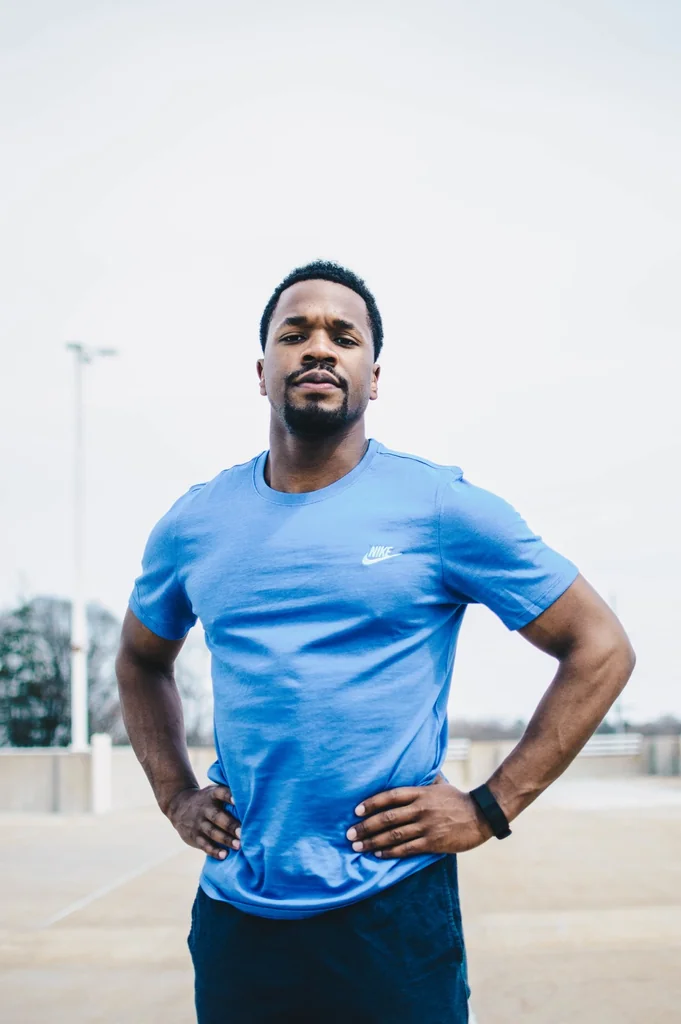
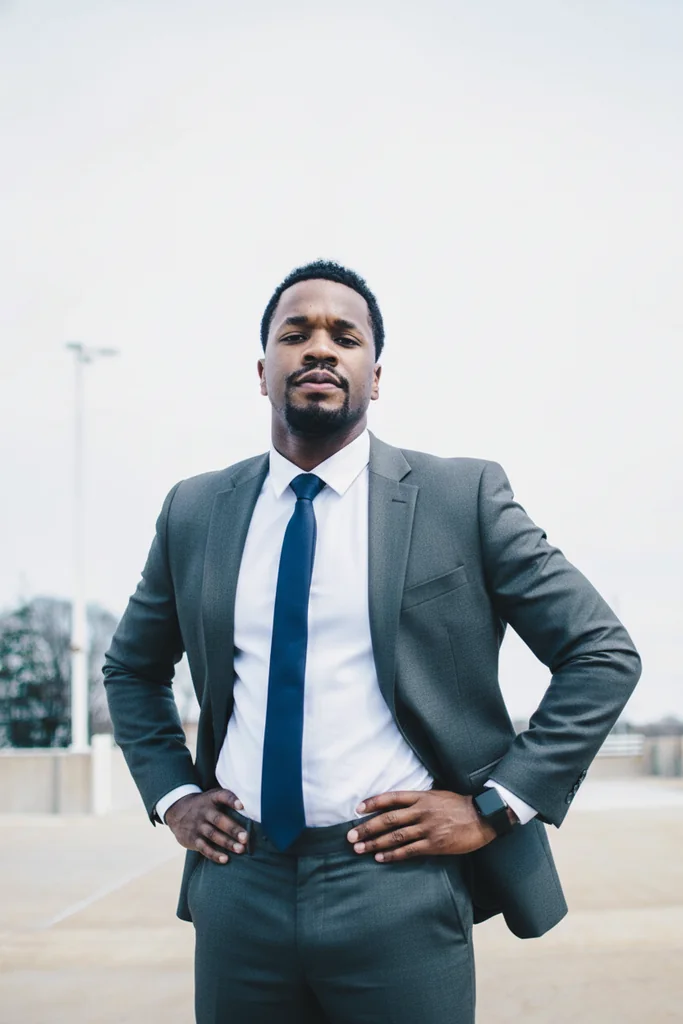
A properly tailored suit with lapels, collar and tie, and the shoulder line follows his actual posture with hands still on hips. Face, beard and the watch on his wrist all survive unchanged. Source: File:Autumn Goodman 2017-04-19 (Unsplash thUe ZOrOy4).jpg (CC0, Wikimedia Commons). Success condition set in advance: A recognisable tailored suit with lapels and a collared shirt replaces the tee, the shoulder line follows his real posture, and his face is unchanged and still clearly the same person.
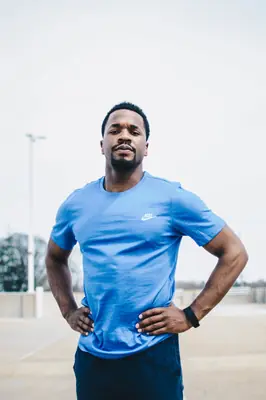
Change his blue t-shirt into a charcoal grey business suit with a white shirt and a navy tie. Keep his face, hair, skin tone and pose exactly the same.
B2. Recolour one garment only - pass
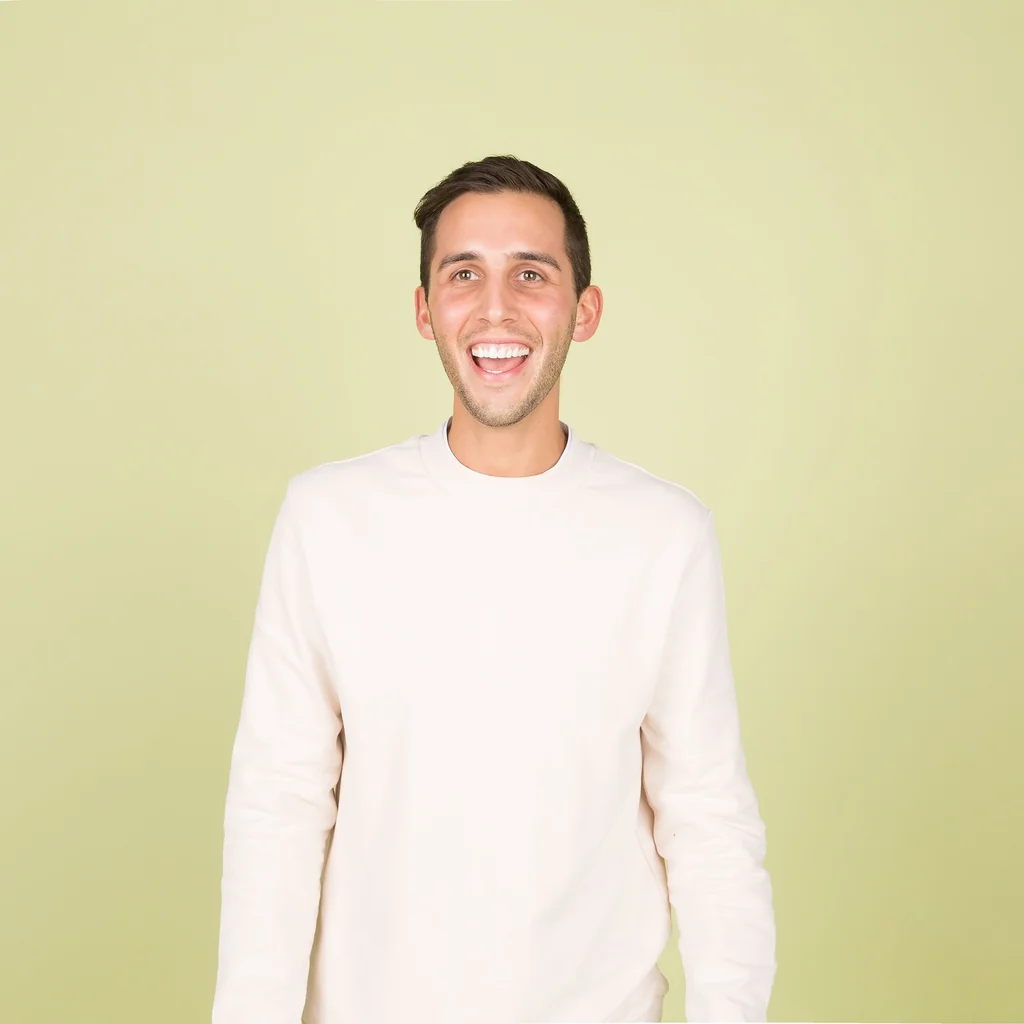
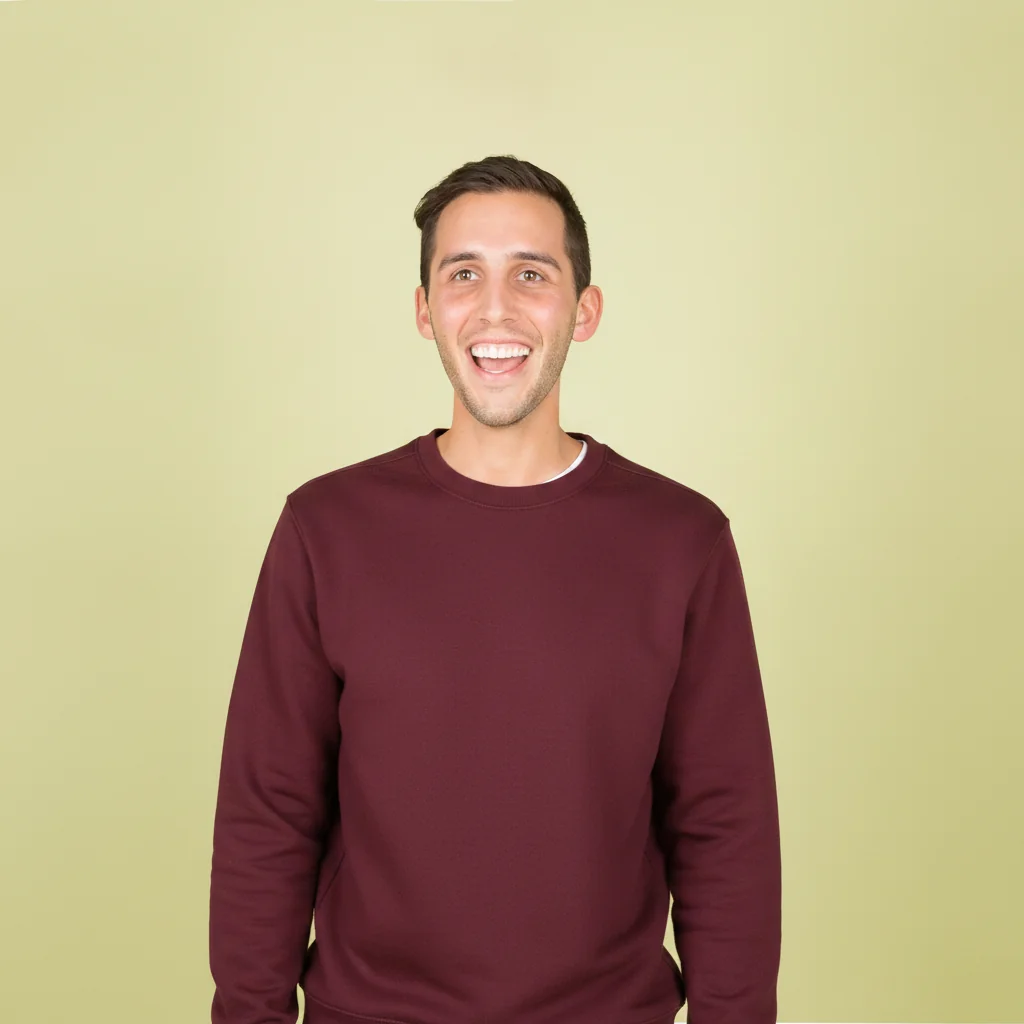
Sweatshirt is burgundy with the original folds and shading preserved, and the olive backdrop and skin tone are unshifted - no global colour cast. It did add a small white undershirt collar at the neck that is not in the input. Source: File:Always smile (Unsplash).jpg (CC0, Wikimedia Commons). Success condition set in advance: The sweatshirt is burgundy with its folds and shading preserved, and the background, skin tone and hair are measurably unchanged - no global colour cast.
Change the colour of his sweatshirt to deep burgundy. Do not change anything else in the photo.
B3. Full-body casual to formal - pass
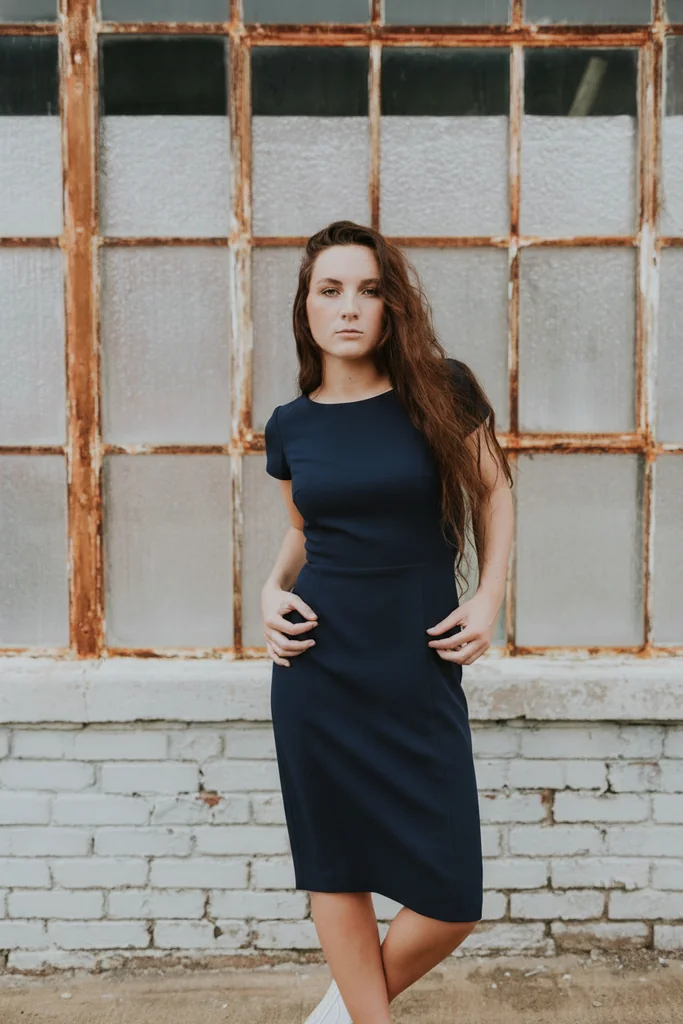
Both the knotted tee and the denim shorts are replaced by one coherent knee-length dress with a correct hemline and no leftover shorts edge. Arms, hands and face are unchanged. Source: File:Brooke Cagle 2017-06-01 (Unsplash ePpTKpJdBRQ).jpg (CC0, Wikimedia Commons). Success condition set in advance: A single coherent formal dress replaces both garments with a correct hemline and no leftover shorts edge, and her limbs and face remain anatomically correct and unchanged.
Replace her t-shirt and denim shorts with an elegant knee-length navy formal dress. Keep her face, hair, arms and pose exactly the same.
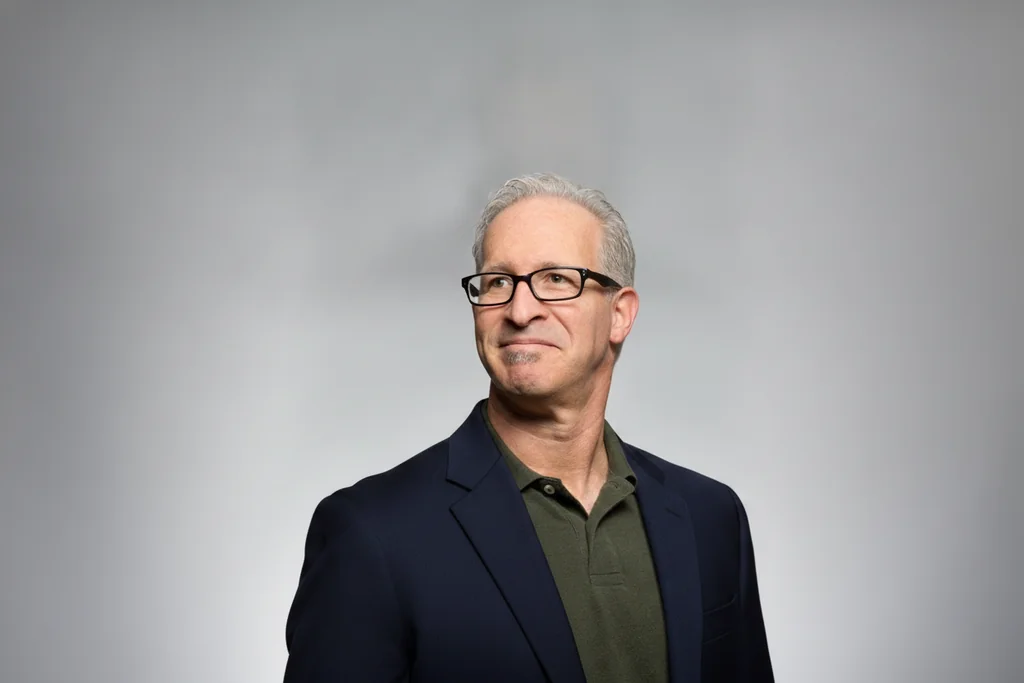
B4. Add a blazer over an existing top - pass
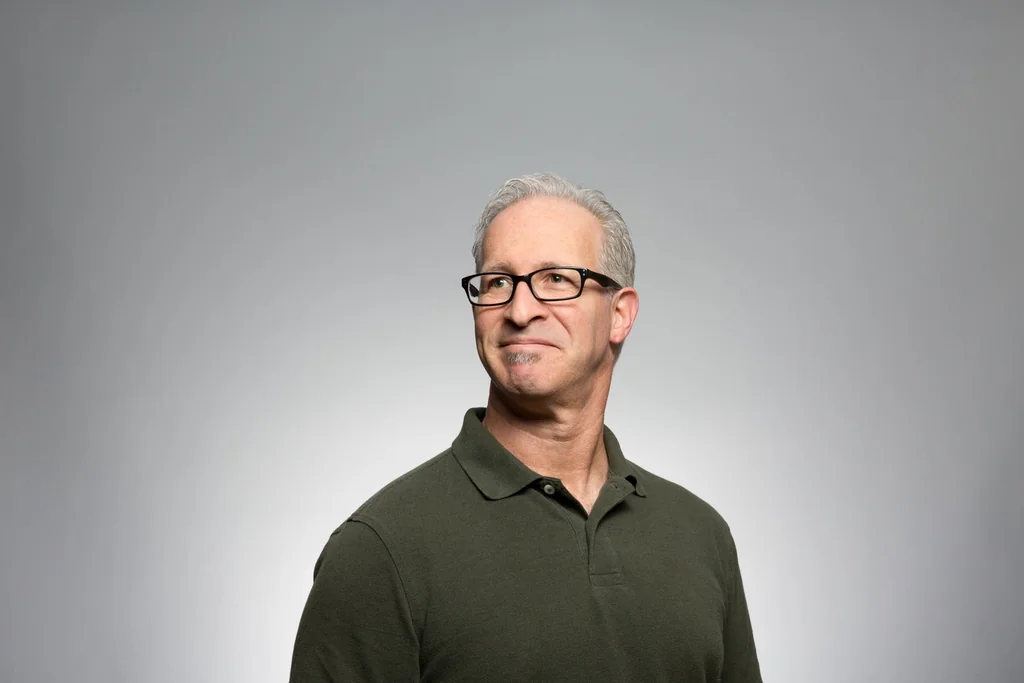
The blazer is genuinely layered - the olive polo is still visible at the collar and down the centre - and the added silhouette sits correctly on his shoulders. Glasses and expression untouched. Source: File:Gray-haired man portrait (Unsplash).jpg (CC0, Wikimedia Commons). Success condition set in advance: A blazer is layered over the polo with the polo still visible at the collar, the added silhouette sits correctly on his shoulders, and his face and glasses are unchanged.
Add a smart navy blazer over the polo shirt he is wearing. Keep the polo visible underneath and keep his face and glasses unchanged.
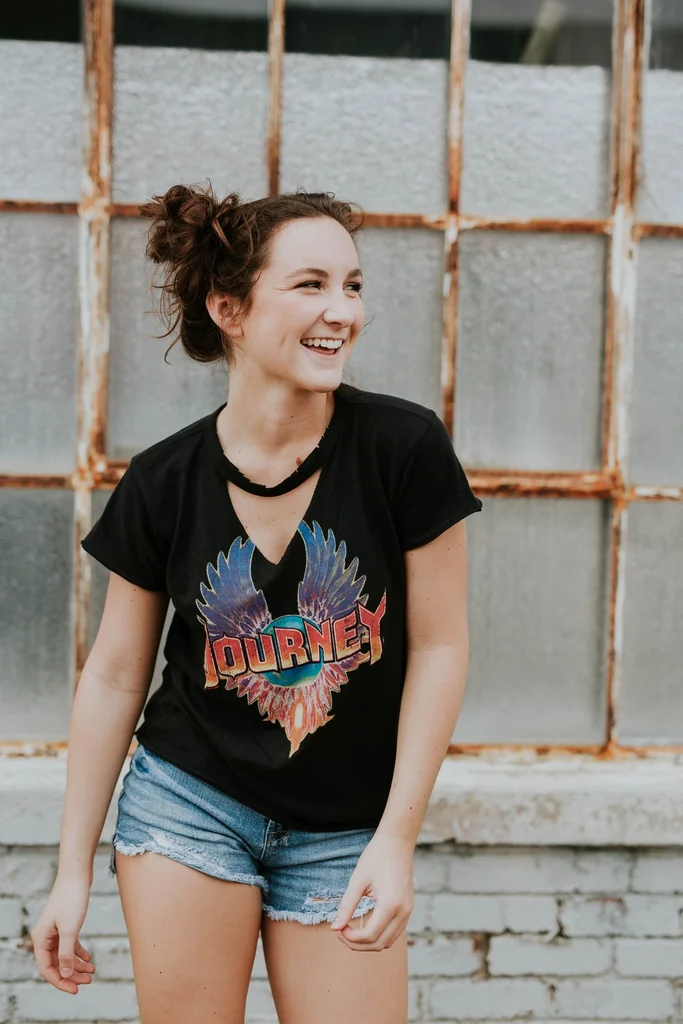
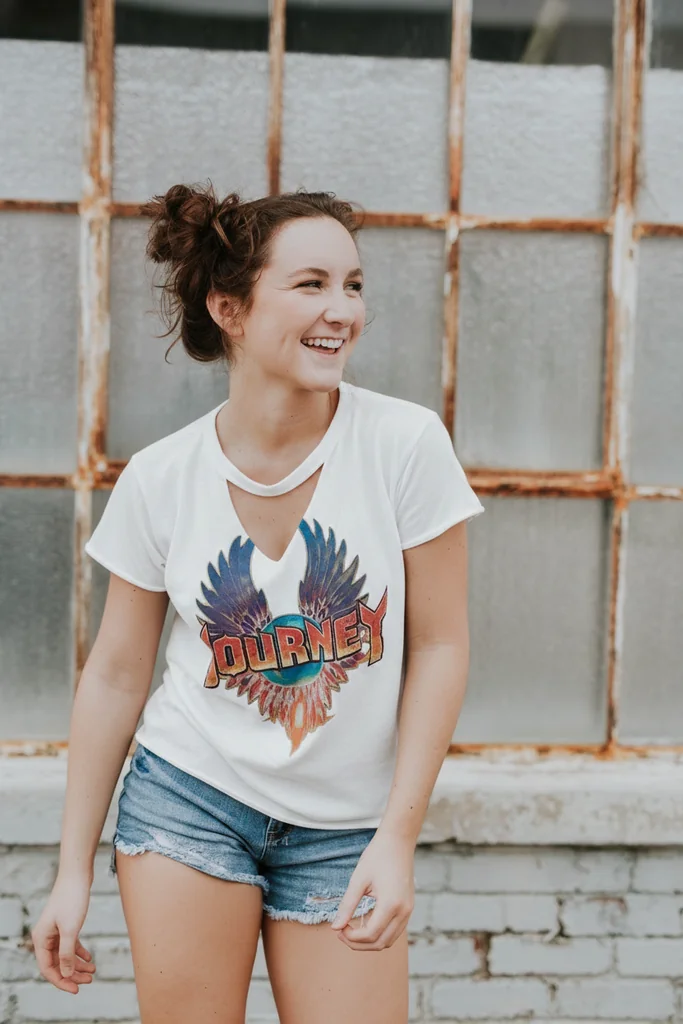
B5. Printed graphic survival - pass
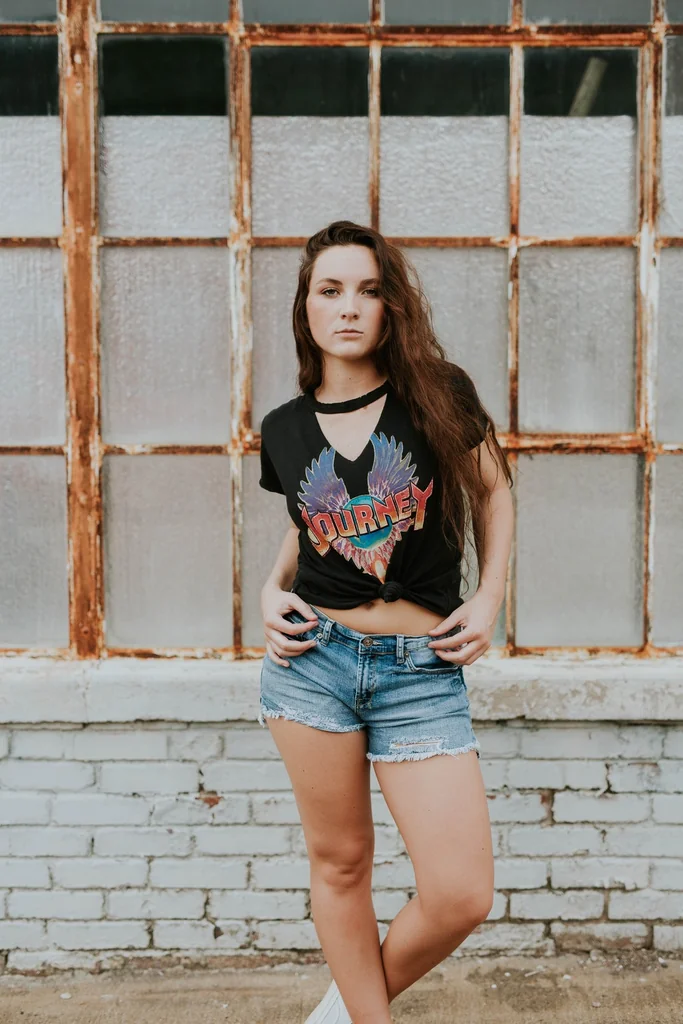
Shirt recoloured to white with the printed graphic still legible and structurally the same artwork, wordmark included. The fine detail inside the print is re-rendered rather than carried across, so it is a close repaint rather than a preserved original. Source: File:Laughing in Journey t-shirt (Unsplash).jpg (CC0, Wikimedia Commons). Success condition set in advance: The shirt is white AND the printed artwork is still legible and structurally the same design - not smeared, re-invented, or dropped.
Change the colour of her black t-shirt to white but keep the printed graphic on the front exactly as it is.
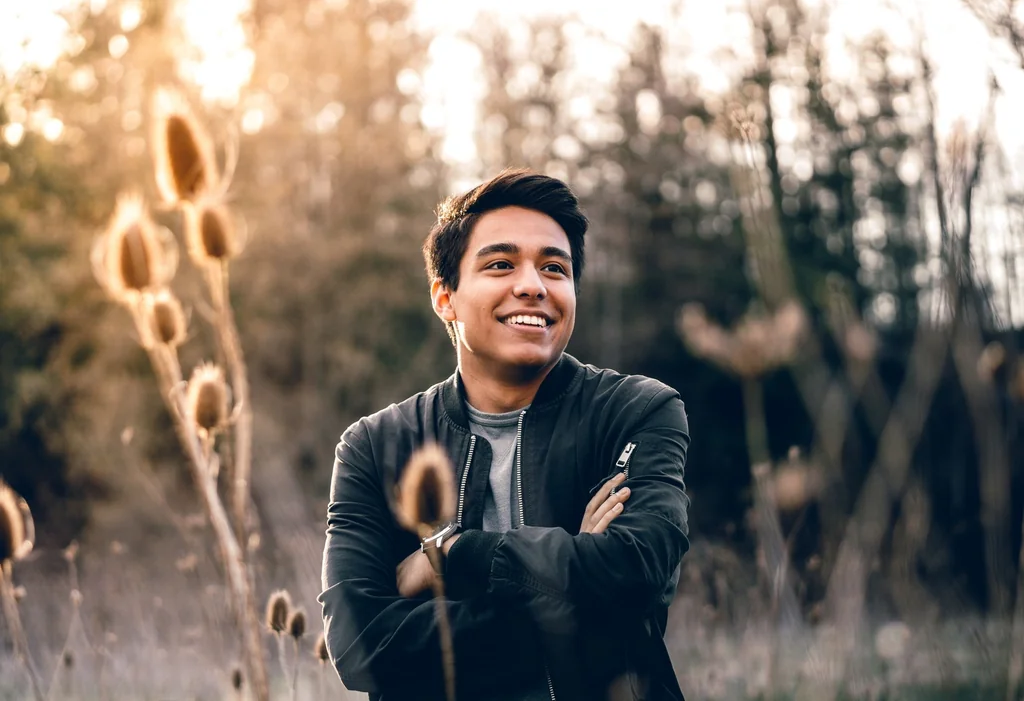
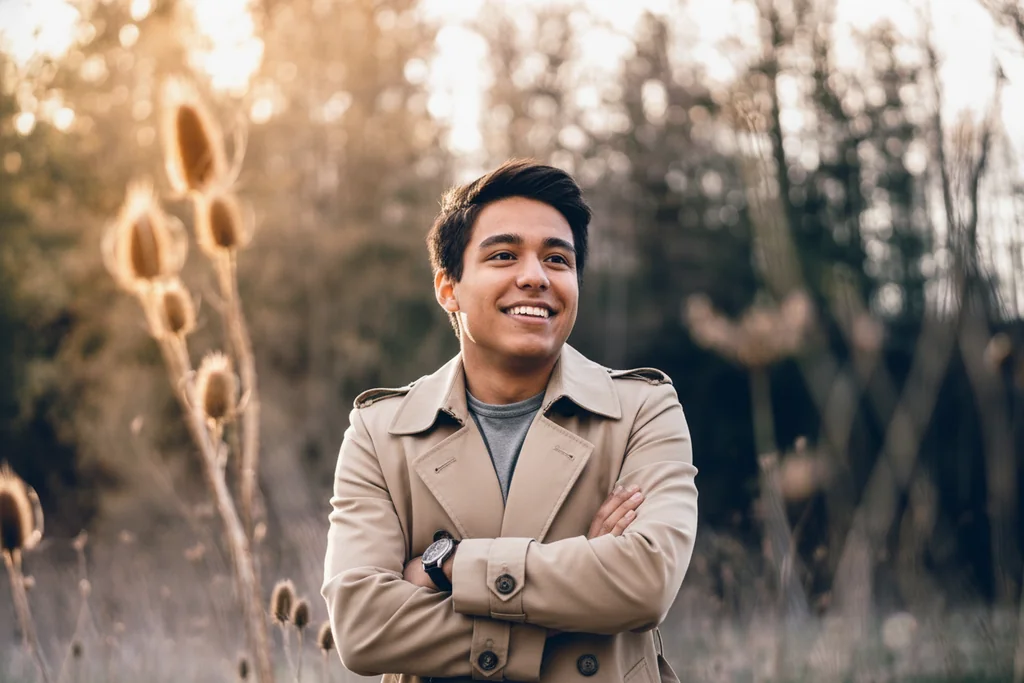
B6. Arms folded across the garment - pass
The hardest occlusion case in this family and it held: the trench coat replaces the bomber while the crossed arms stay anatomically correct, both hands read as hands, and the wristwatch survives on the correct wrist. Source: File:Man with crossed arms (Unsplash).jpg (CC0, Wikimedia Commons). Success condition set in advance: The garment is replaced while the crossed-arm occlusion stays correct - both hands still read as hands in the right places, with no fused or duplicated fingers.
Change his black bomber jacket into a beige trench coat. Keep his crossed arms, hands, face and pose exactly the same.

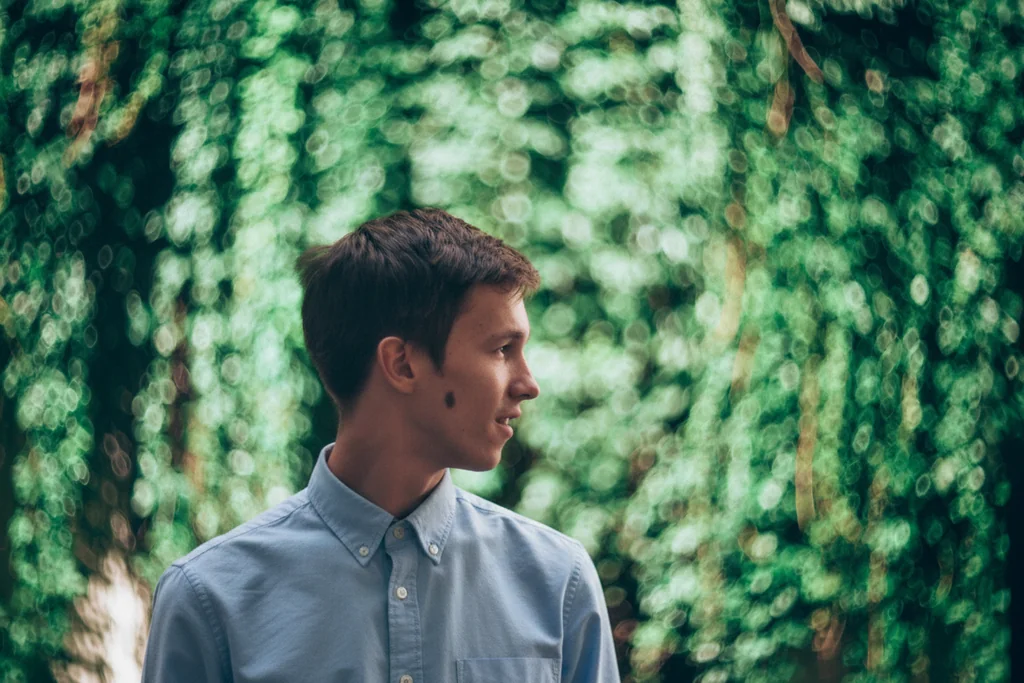
B7. Three-quarter / profile view - pass
Collar and placket are rendered with correct perspective for a side-on subject, which is where garment edits usually break. The facial profile is unchanged down to the mole on his cheek. Source: File:Mainstream session (Unsplash).jpg (CC0, Wikimedia Commons). Success condition set in advance: The new shirt is rendered with correct perspective for a profile view - collar and placket sit believably for a side-on subject - and the facial profile is unchanged.
Change his black long-sleeve top into a light blue Oxford button-down shirt. Keep his profile, hair and pose exactly the same.


B8. Replace a strong pattern - pass
No trace of the buffalo check survives anywhere on the garment and the replacement reads as a different fabric entirely. Hat, hair and face untouched, backlight preserved. Source: File:Red lipstick smile (Unsplash).jpg (CC0, Wikimedia Commons). Success condition set in advance: No trace of the buffalo-check pattern remains anywhere on the garment, the replacement reads as a different fabric, and the hat and face are untouched.
Change her red checked flannel shirt into a plain cream silk blouse. Keep her hat, face and hair exactly the same.
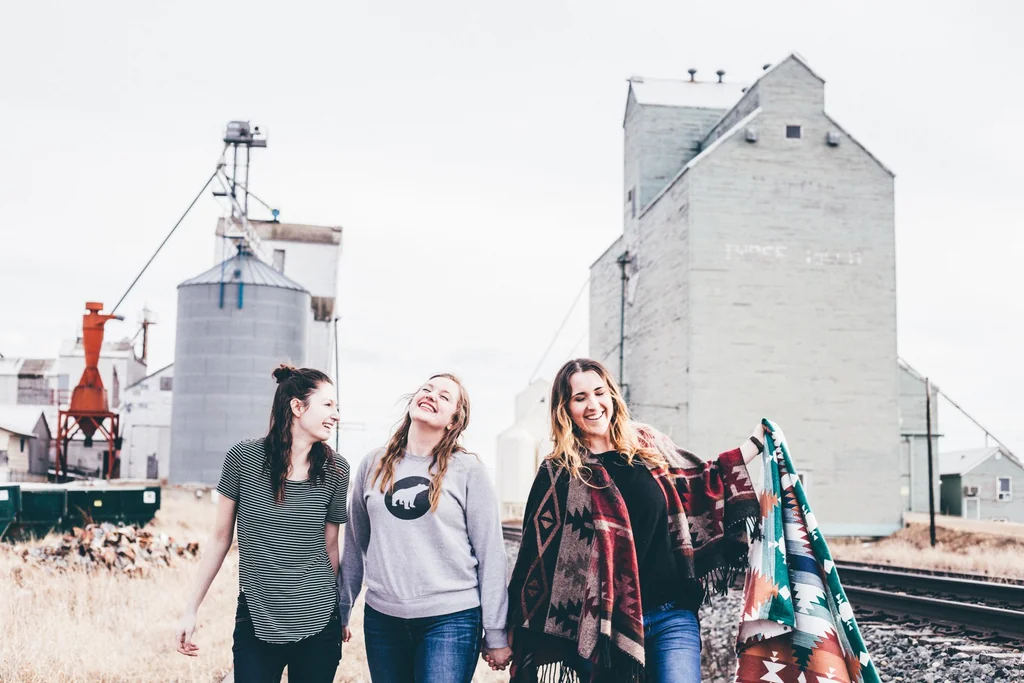
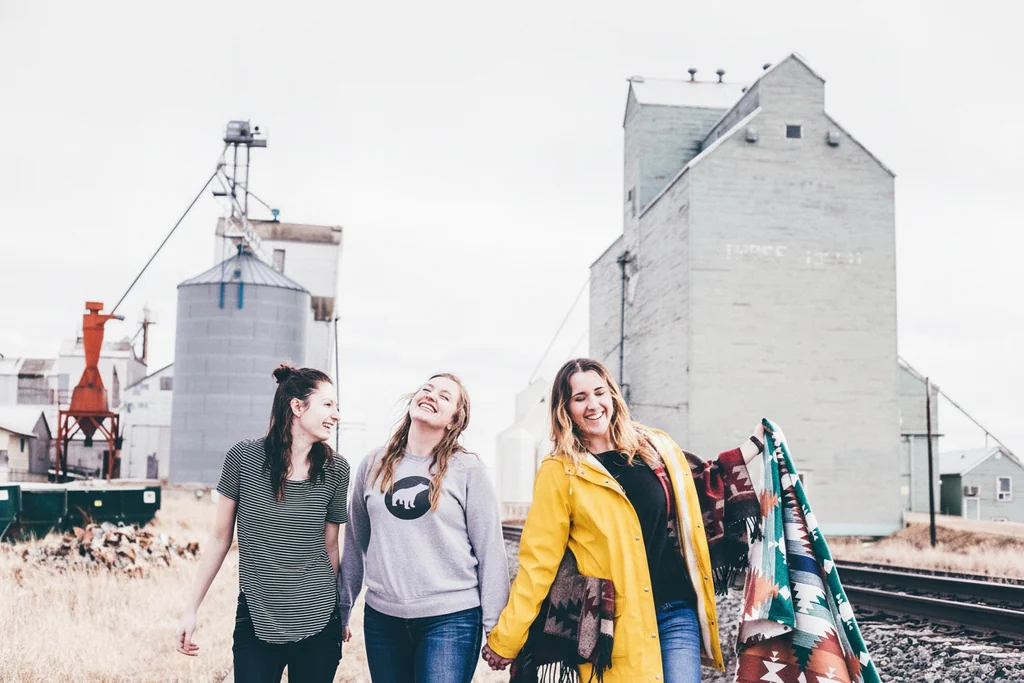
B9. Target one person in a group - fail
The most useful failure in the run. Asked to change only the middle woman's grey sweatshirt, the product left her sweatshirt untouched and put the yellow raincoat on the woman on the right instead - it both missed the target and modified a person it was told not to touch. Source: File:Three friends by train tracks (Unsplash).jpg (CC0, Wikimedia Commons). Success condition set in advance: The middle subject's top is changed AND both other subjects' garments are unmodified - verified by direct comparison of the two bystanders before and after.
Change only the middle woman's grey sweatshirt into a bright yellow raincoat. Leave the other two women's clothing completely unchanged.
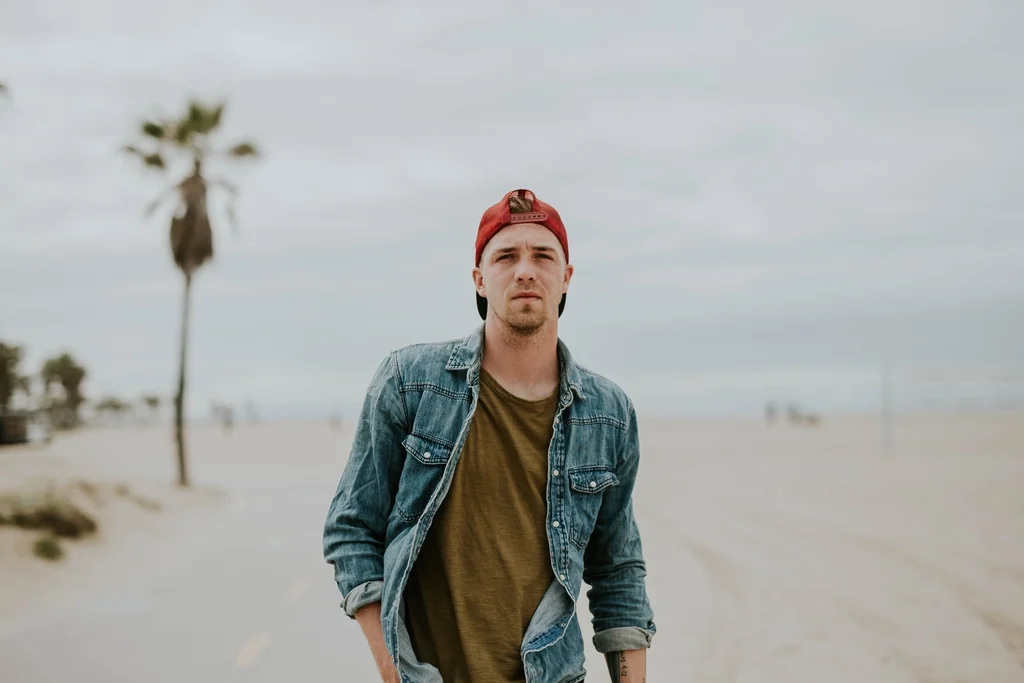
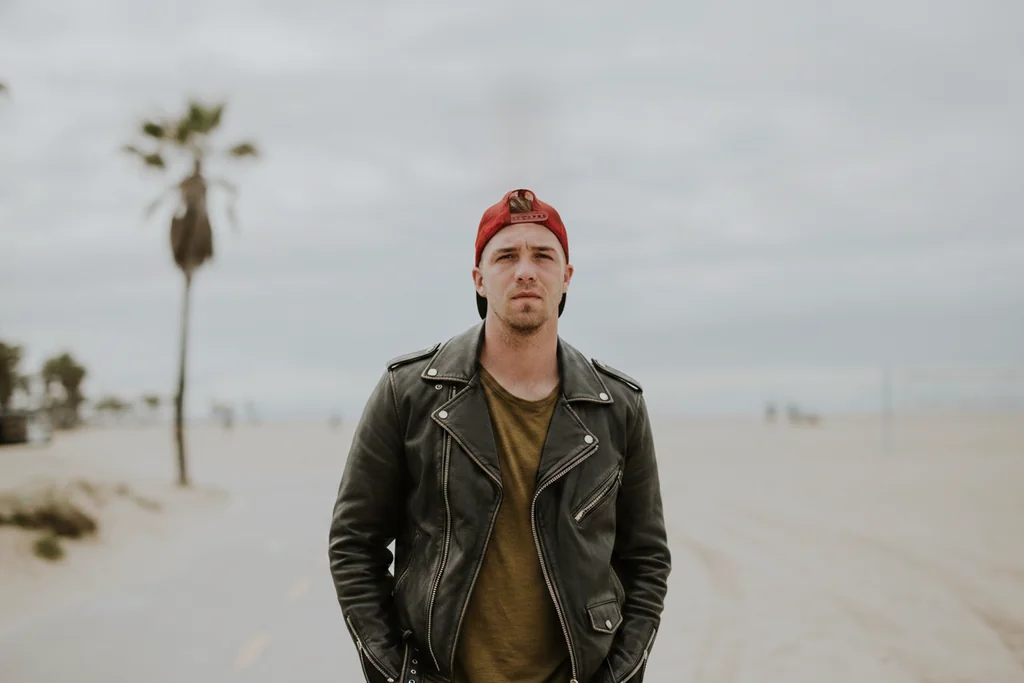
B10. Change the fabric/material - pass
Convincing leather: specular sheen, no denim weave and no contrast top-stitching anywhere. Cap, face, the olive tee underneath and the beach background all unchanged. Source: File:Man in denim jacket posing (Unsplash).jpg (CC0, Wikimedia Commons). Success condition set in advance: The garment reads convincingly as leather - specular sheen, no visible denim weave or contrast top-stitching - while the cap, face and background are unchanged.
Change his denim jacket into a black leather biker jacket. Keep his cap, face, pose and the background exactly the same.
Where the clothing edits broke down
Group photos: it changed the wrong person (case B9 - failed)
Why: Given three women side by side and told to change only the middle one's grey sweatshirt to a yellow raincoat, the tool left the middle woman's sweatshirt exactly as it was and put the yellow coat on the woman at the right instead. It both missed the intended target and altered a person it was told to leave alone.
Crop to just the one person, change the clothing, then place the edited crop back into the group shot
Positional instructions like 'the middle one' are not reliable. Crop to the individual first - that is the workaround we would actually use.
Prints and logos are repainted, not preserved
Why: In the case that passed on print survival, the band graphic stayed legible and structurally correct after the shirt changed colour, but the fine detail inside the artwork was regenerated rather than carried across from the input.
Fine for a lifestyle shot. Not fine if the exact artwork matters, such as brand or product photography where the logo must be reproduced precisely.
Small additions can appear that you did not ask for
Why: In the recolour case the sweatshirt changed colour correctly and the background and skin tone held, but a white undershirt collar appeared at the neck that is not present in the input.
Scan the collar, cuffs and hemline for details the tool added on its own before publishing.
Nine out of ten is not a guarantee, and the sample is small
Why: Ten cases in one session on one setting is enough to show what the tool can do and where it broke, but it is not a statistical claim. A different photo of the same difficulty class could fail where ours passed.
Use these as worked examples of specific difficulty classes, not as a success rate to quote.
Questions about this test
Can it turn a t-shirt into a business suit?
Yes. Case B1 produced a tailored charcoal suit with lapels, a collared shirt and a tie, and the shoulder line followed the subject's real posture with his hands still on his hips. His face, beard and wristwatch were unchanged.
Does a printed graphic survive a colour change?
Mostly. In case B5 the shirt went from black to white and the band artwork stayed legible and structurally the same design. The fine detail inside the print is repainted rather than carried across, so treat it as a very close reproduction rather than a preserved original.
What happens with folded arms?
It held up. In case B6 the jacket was replaced while the crossed arms stayed anatomically correct - both hands still read as hands, in the right places, with the watch on the correct wrist. Fused or duplicated fingers are the usual failure here and we did not see them.
Can it change one person's clothes in a group photo?
Not reliably. This was our only failure. Asked to change only the middle woman's sweatshirt in a three-person shot, it left her sweatshirt as it was and put the new coat on the woman at the right - missing the target and altering someone it was told not to touch. If you need one person changed in a group, crop to that person first.
Does the person still look like themselves afterwards?
In these ten cases, yes - faces stayed recognisable throughout, including a side-on profile where a cheek mole survived. But every output is a re-rendered image rather than the original with a new garment pasted in, so fine facial detail is reproduced, not preserved.
Popular use cases
Test it on your own photo
Same editor, same settings we used above.
Upload Your Photo