AI Photo Editor for Workplace Incident Documentation Photos
Last updated
Incident photos that support safety documentation.
Drop your photo here
"enhance the incident scene photo with clear even lighting, show all relevant conditions"
Release to upload


Built for Workplace Incident Documentation Professionals
Workplace safety documentation requires clear photo evidence for incident reports, hazard assessments, and compliance records. EditThisPic ensures your safety documentation photos clearly show conditions, hazards, and incidents for reporting and regulatory compliance.
How to AI Photo Editor for Workplace Incident Documentation Photos
-
Upload your photo
Drop your workplace incident documentation photo into EditThisPic.
-
Describe your edit
Type what you want.
-
Review
Check accuracy.
Prompts for Workplace Incident Documentation
enhance the incident scene photo with clear even lighting, show all relevant conditions
Clear scene documentation supports accurate incident analysis
enhance to clearly show the workplace hazard — spill, damage, missing guard, etc.
Visible hazard photos justify corrective action and investment
correct the dim industrial lighting for clear facility documentation
Industrial environments are consistently poorly lit for photography
enhance the safety equipment photo with clear lighting, show condition and compliance
Equipment condition documentation supports compliance audits
Show more prompts
standardize lighting for before/after corrective action documentation
Before/after pairs prove corrective action was taken and effective
Workplace Incident Documentation Transformations
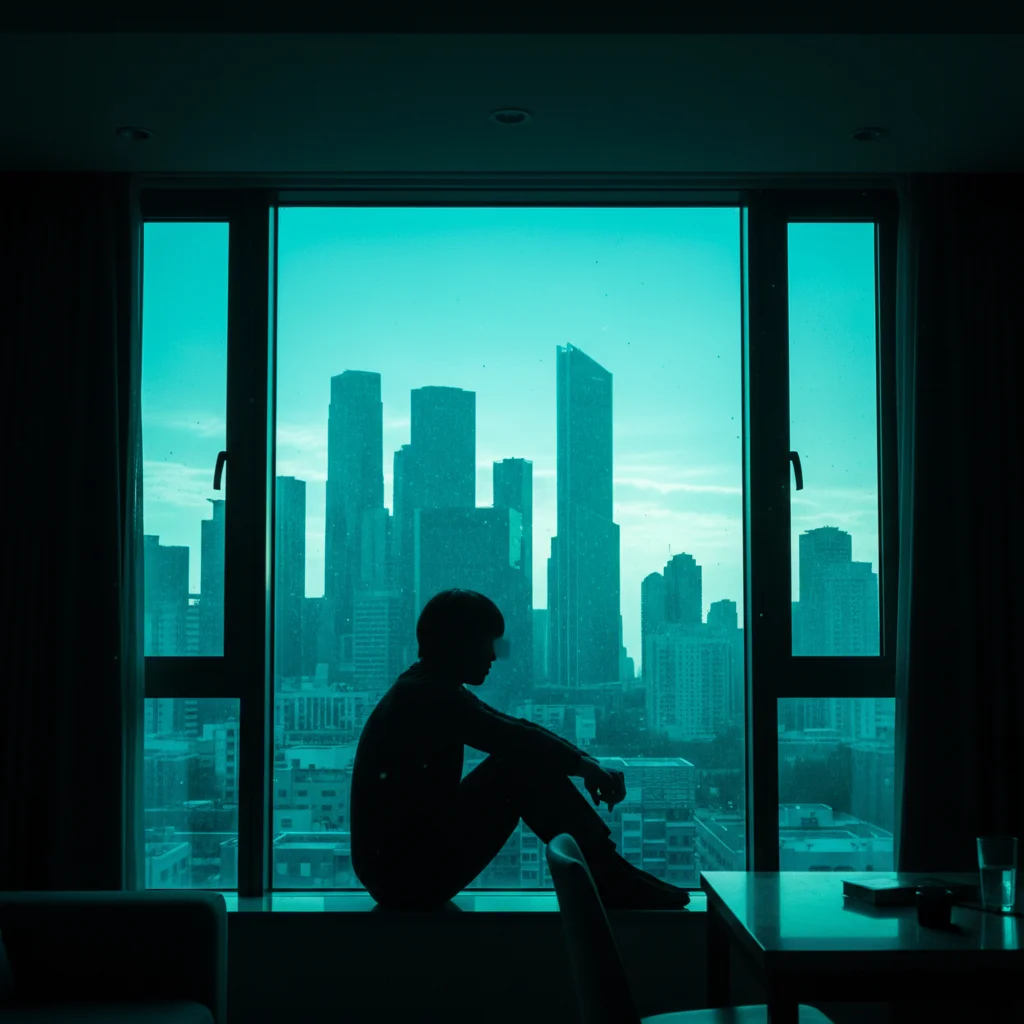
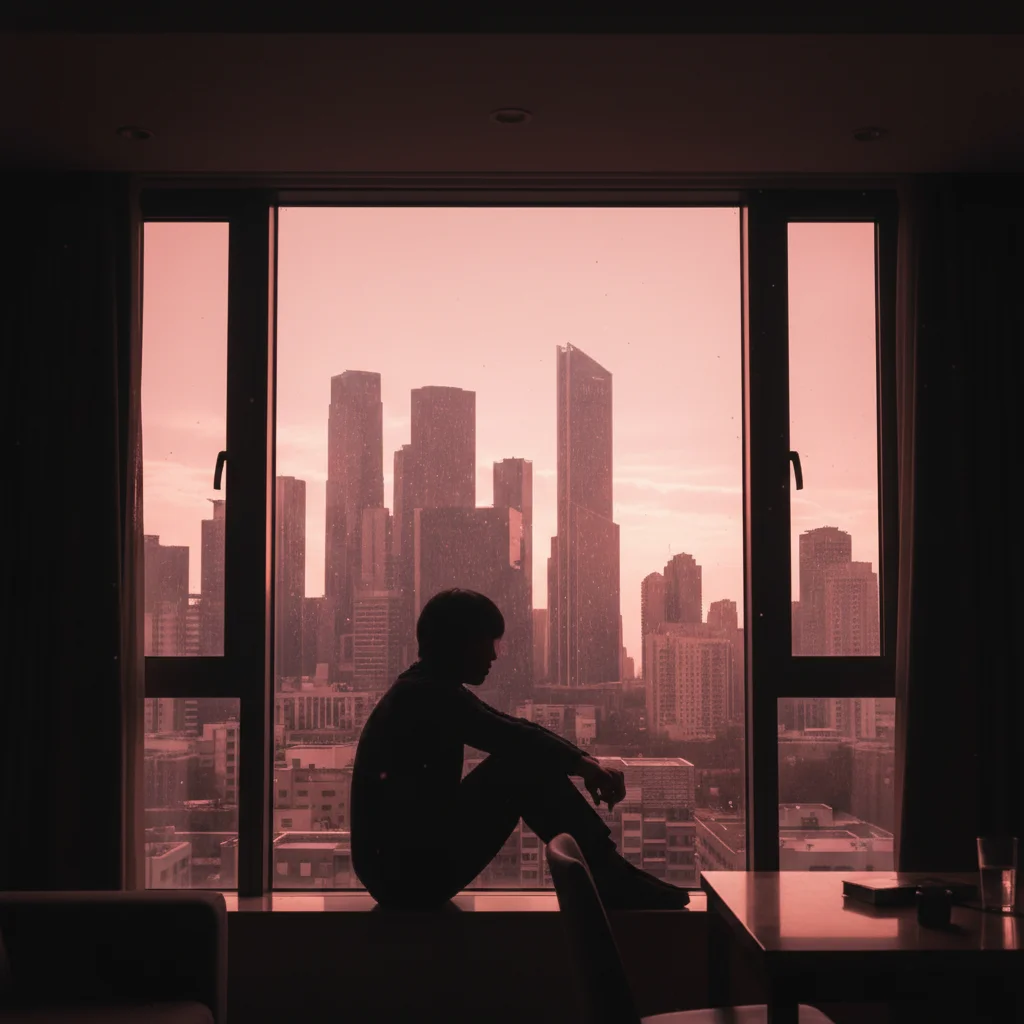
Incident scene documented
Workplace incident scene enhanced with clear lighting showing all relevant conditions.
enhance the incident scene photo with clear even lighting, show all relevant conditions


Hazard clearly shown
Workplace hazard photo enhanced to clearly show the specific safety issue for documentation.
enhance to clearly show the workplace hazard — spill, damage, missing guard, etc.
Common Issues
Clinical lighting makes everything look harsh
Why: Fluorescent office lights create unflattering cold tones and shadows
Warm, professional lighting builds patient trust and comfort
Before/after comparison isn't clear enough
Why: Different lighting or angles between shots make comparison difficult
Consistent lighting is more important than perfection for before/after pairs
Background clutter or equipment visible
Why: Clinical settings have monitors, wires, and equipment that distract
Focus attention on the subject by keeping only relevant context in frame
Colors look inaccurate under exam lights
Why: Medical exam lights and mixed light sources distort true colors
Color accuracy matters for medical documentation — be specific about what's off
FAQ
When should I photograph an incident?
Immediately, before anything changes. Scene conditions, equipment positions, and environmental factors are critical evidence that changes quickly.
What should workplace incident photos include?
Wide scene shots, specific condition close-ups, relevant signage, equipment involved, and any contributing factors. 15-30+ photos for thorough documentation.
Do photo quality affect OSHA compliance?
Clear documentation demonstrates diligence in safety management. Well-documented incidents and hazards support compliance and reduce regulatory risk.
How do I photograph in dark industrial spaces?
Use whatever lighting is available — work lights, phone flashlights, overhead. The AI dramatically enhances dim industrial documentation photos.
Should I include corrective action photos?
Always. Before/after corrective action documentation proves hazards were addressed and shows commitment to continuous safety improvement.
Is this free?
Yes — 1 free edit per week. plans start at $4.99/month.
Popular use cases
Clear workplace safety documentation
Professional incident documentation photos. Free to try.
Upload Your PhotoTrusted by 15,000+ users