AI Etsy Clothing Photo Editor
Last updated
Make your handmade clothing look runway-ready. Professional flat lays and lifestyle shots in seconds.
Drop your photo here
"replace background with pure white seamless studio backdrop, keep natural fabric drape and texture visible, soft shadow beneath garment, professional clothing product photo"
Release to upload
Built for Etsy Clothing Sellers
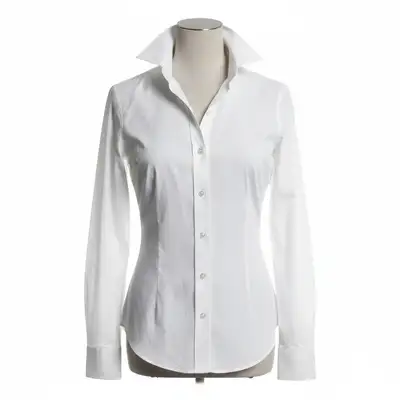
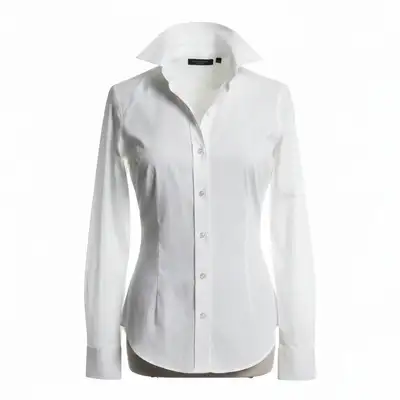
Etsy clothing buyers judge quality by the photo before they read a word of your description. Wrinkled fabric on a plastic mannequin against a bedroom wall screams hobby seller. A clean white background or styled flat lay says professional brand. EditThisPic bridges that gap in seconds, making your handmade and vintage clothing compete with established fashion labels.
Tools Clothing Sellers Use Most
Remove Background
Remove mannequin, hanger, or cluttered room backgrounds and replace with clean white
Change Background
Swap cluttered backgrounds for styled flat lay surfaces or lifestyle settings
Enhance Colors
Fix color accuracy so fabric dyes, prints, and patterns show true to life
Enhance Lighting
Even out harsh shadows from overhead lighting that flatten fabric texture and drape
How to Edit Your Etsy Clothing Photos
-
Upload your clothing photo
Drop your garment photo into EditThisPic. Mannequin shots, flat lays, hanger photos, or on-body shots all work. JPG, PNG, and WebP up to 7MB. Shoot the full garment with some margin around the edges for best results.
Background swaps: 15-30 seconds. Wrinkle smoothing or color fixes: may need specific prompting. -
Describe your ideal clothing listing photo
Type exactly what you want: 'replace background with pure white, keep fabric drape natural' or 'style as a casual flat lay on light wood floor.' For vintage pieces, try 'add vintage-inspired warm tone and rustic background.' Mention fabric type if important to preserving texture.
Always mention 'keep fabric texture visible' in your prompt. The AI sometimes over-smooths fabric, and buyers need to see the weave, knit, or print quality. -
Check fabric detail and color accuracy
Zoom in on the result. Fabric texture should be visible: you should see individual threads on knits, print patterns should be crisp, and colors should match your actual garment. Check edges around collars, sleeves, and hems for clean separation from the background.
Hold your actual garment next to the screen to compare colors. If reds look orangey or blues look purple, add 'maintain exact original fabric color' to your prompt. -
Create your standard look for all garments
Build a consistent brand by using the same prompt template for all your listings. Professional clothing shops use one look for all products: same background, same lighting angle, same styling approach. Copy your winning prompt and adapt only the fabric-specific details.
Create separate prompts for different categories: one for dresses, one for tops, one for accessories. Each category can have its own consistent look while still feeling cohesive.
Copy-Paste Prompts for Clothing Sellers
replace background with pure white seamless studio backdrop, keep natural fabric drape and texture visible, soft shadow beneath garment, professional clothing product photo
White backgrounds let buyers focus entirely on your garment. Always mention 'natural drape' so the AI does not flatten the fabric
replace background with light oak hardwood floor, style as a curated flat lay, natural window light from above, casual lifestyle aesthetic with soft shadows
Flat lay backgrounds work especially well for casual wear, knits, and accessories. They tell a lifestyle story
remove the mannequin and background, replace with pure white, keep the clothing shape and silhouette exactly as draped on the mannequin, natural fabric folds preserved
This creates the popular 'invisible mannequin' or 'ghost mannequin' effect that high-end shops use
replace background with slightly warm cream-toned backdrop, vintage-inspired soft lighting, gentle warmth that matches the era of the garment, keep all fabric patina and character visible
Vintage pieces sell better with warm, nostalgic backgrounds rather than stark white, which can make vintage look worn-out instead of charming
Show 4 more prompts
replace background with clean white wall, garment hanging naturally on wooden hanger, soft natural side lighting, minimal lifestyle aesthetic
Hanger shots work well for dresses, coats, and structured garments that look best hanging vertically rather than laying flat
smooth out the visible wrinkles in the fabric while keeping the natural drape and fold patterns, maintain fabric texture and print detail, keep colors accurate
This is not ironing. The AI smooths out shipping wrinkles while keeping intentional folds that show the garment's construction and fit
replace background with soft blush pink or ivory studio backdrop, elegant bridal or formal aesthetic, gentle directional lighting from upper left, keep all beadwork and lace detail sharp
Custom formal wear and bridal pieces deserve elevated backgrounds that match their price point and occasion
replace background with soft neutral backdrop, enhance lighting to show every stitch and knit texture clearly, macro-quality detail preservation, soft even light
Handknit and crochet pieces sell on stitch detail. Buyers want to see the craftsmanship up close, so detail preservation is critical
| Edit Type | Prompt | Time | |
|---|---|---|---|
| White background | replace background with pure white, keep fabric drape natural, soft shadow |
15s | Try This → |
| Flat lay on wood | replace background with light oak floor, styled flat lay, natural light |
20s | Try This → |
| Ghost mannequin | remove mannequin, replace with white, keep clothing shape as draped |
25s | Try This → |
| Vintage styling | replace background with warm cream backdrop, vintage soft lighting |
20s | Try This → |
Real Clothing Seller Transformations
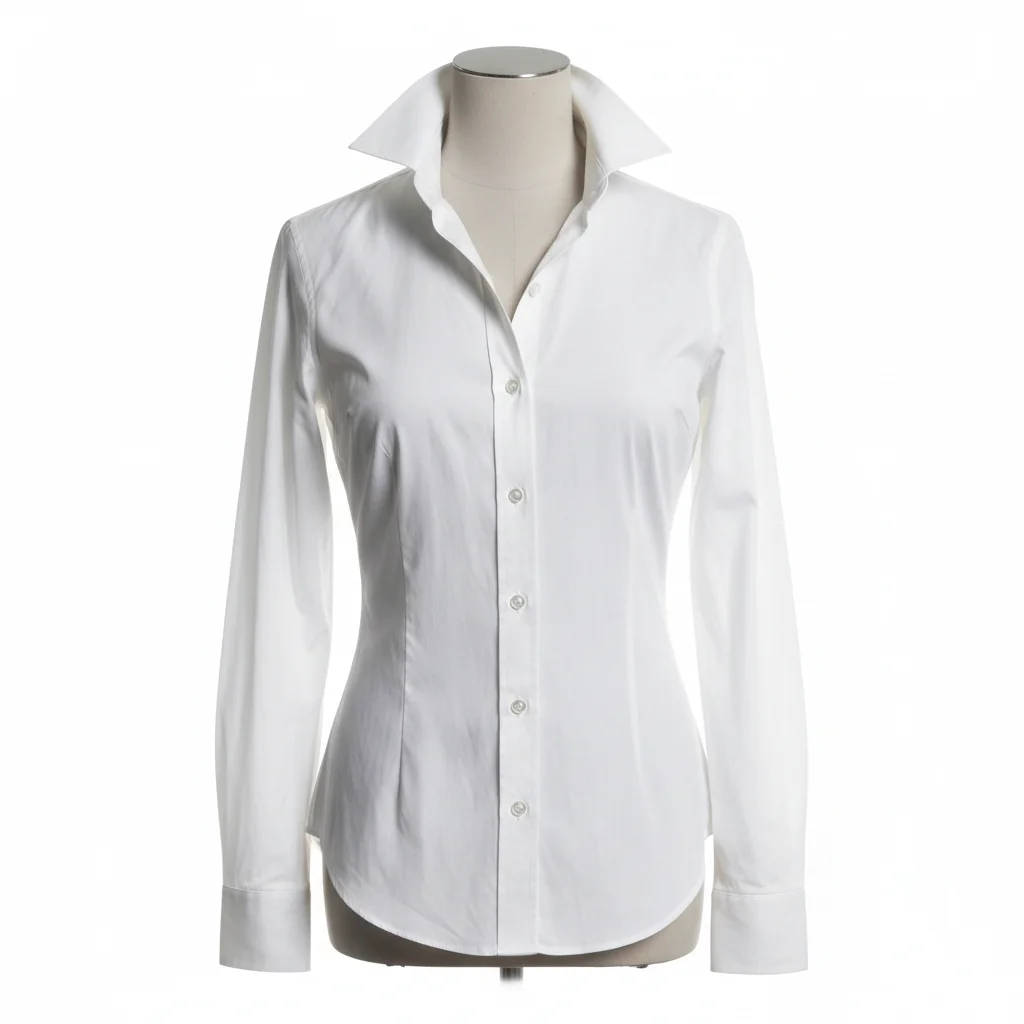
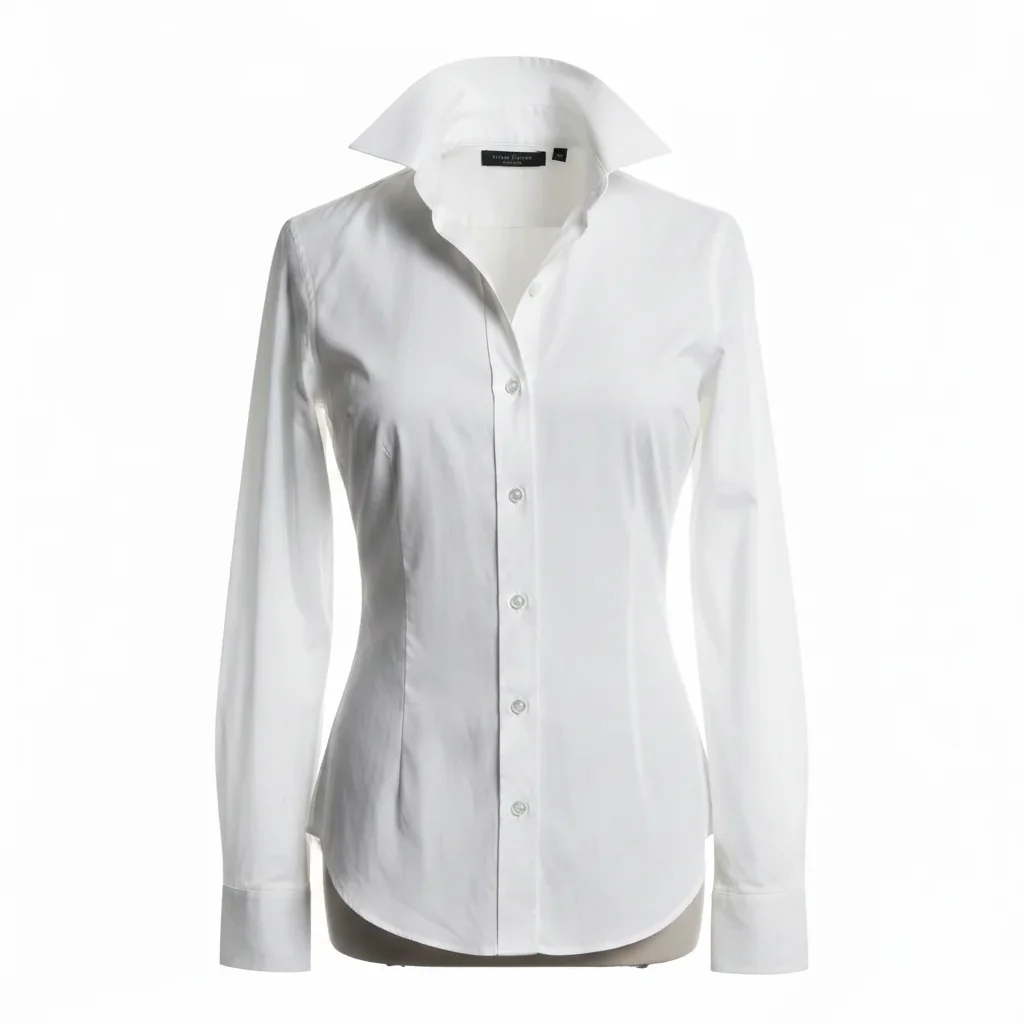
Handmade dress on clean white
Custom dress photographed on a doorknob against a bedroom wall. One prompt created a professional product photo with clean white background.
replace background with pure white seamless studio backdrop, keep natural fabric drape and texture visible, soft shadow beneath garment, professional product photo
Vintage blouse styled flat lay
Vintage silk blouse laid on a bed for photos. Transformed into a curated flat lay on hardwood floor that conveys the vintage aesthetic.
replace background with light oak hardwood floor, style as a vintage-inspired flat lay, warm natural window light, show fabric sheen and vintage character
Knit sweater with texture detail
Hand-knit wool sweater photographed on a plastic mannequin. Mannequin removed to show garment shape on clean background with visible stitch detail.
remove the mannequin, replace background with soft light gray, preserve all knit texture and stitch detail, keep the sweater shape as draped, soft even lighting
Common Clothing Photo Issues
Fabric texture looks over-smoothed or plastic
Why: The AI sometimes treats fabric texture as noise and smooths it out, especially on solid-color garments where texture is the only visual detail.
replace background with [your choice], preserve all fabric texture, weave pattern, and surface detail, the fabric should look tactile not smooth
Always include 'keep fabric texture visible' in your prompts. For knits specifically, add 'preserve every stitch and cable pattern.'
Fabric color looks completely different after background change
Why: Background color dramatically affects how fabric colors are perceived. A blue garment looks different against white versus wood versus gray. The AI may also adjust white balance.
replace background with [your choice], maintain exact original fabric color without any color shift, preserve the original color temperature
For color-critical items like custom-dyed fabrics, mention the specific color: 'keep the indigo dye color exactly as the original photo.'
Print or pattern on fabric is distorted
Why: Complex prints like plaids, florals, or geometric patterns can confuse the AI, especially at fabric folds where the pattern naturally distorts.
replace background with [your choice], keep all fabric print and pattern exactly as original, do not modify any part of the garment design
For detailed prints, simpler background changes yield better results. Stick to white or solid-color backgrounds rather than complex lifestyle scenes.
Frequently Asked Questions
How do I get the invisible mannequin / ghost mannequin effect?
Type 'remove the mannequin and background, replace with pure white, keep the clothing shape and silhouette exactly as draped.' This creates the popular ghost mannequin look where the garment appears to float with its natural shape. Works best when the mannequin is a solid color that contrasts with the clothing. For necklines that show the mannequin through the opening, add 'fill the neckline interior with white as well.'
Flat lay or mannequin, which photos sell better on Etsy?
It depends on the garment. Structured pieces like blazers, coats, and fitted dresses look best on a mannequin or hanger because buyers need to see the silhouette. Casual items like t-shirts, scarves, and knits photograph well as flat lays because the relaxed styling matches the casual vibe. Most successful sellers use both: mannequin for the main listing photo and flat lay for lifestyle context.
How do I make fabric colors look accurate in photos?
First, photograph near a window in daylight, never under overhead tungsten or fluorescent lights. Then add 'maintain exact original fabric color' to your editing prompt. If a specific color is critical, name it: 'keep the rust orange exactly as original.' For dark fabrics that photograph as black blobs, add 'enhance lighting to show fabric detail in dark areas without washing out the color.'
Can the AI remove wrinkles from my clothing photos?
Yes. Use 'smooth out visible wrinkles while keeping the natural drape and intentional folds.' The AI distinguishes between shipping wrinkles that look sloppy and intentional drape folds that show the garment's structure. It will not iron your clothing perfectly flat, which would look unnatural. Instead, it removes the creases that make handmade look unprofessional.
What about vintage clothing with intentional wear?
Vintage sellers should add 'preserve all vintage character, patina, and intentional wear marks' to their prompts. The AI will not remove fading, distressing, or aging that gives vintage pieces their character. For vintage, try warm cream or ivory backgrounds instead of stark white, which can make vintage look worn-out rather than charmingly aged.
How do I photograph clothing for the best editing results?
Shoot on a contrasting background so the AI can clearly separate the garment from the surroundings. Spread the garment fully open with sleeves visible. Use natural daylight for the most accurate colors. For flat lays, shoot directly from above. For mannequin shots, shoot straight on at garment center height. Avoid clipping any part of the garment at the frame edges.
Is EditThisPic's AI etsy clothing photo editor really free?
Yes — you get 1 free edit per week, no account needed. Plans start at $4.99/month for 15 edits.
Can I etsy clothing on my phone?
Yes. EditThisPic works in any mobile browser — iPhone, Android, tablet. No app download needed.
Popular use cases
Ready to make your clothing listings stand out?
Professional apparel photography without the professional price. Free to try.
Start Editing Your Clothing PhotosTrusted by 15,000+ users