AI Object Removal: 10 Hard Cases, Tested
Last updated
Ten real photographs, one prompt each, pass conditions fixed in advance - including the three that failed.
Drop your photo here
Free to try · no sign-up · photos are never shared
Release to upload

Why we ran this
Most object-removal demos show one easy case: a lone person on an empty beach. That tells you nothing about a wire crossing a sunset or a mesh fence over fur. We picked ten cases that are hard for different reasons and published what happened, failures included.
How we ran this test
-
Picked ten cases by difficulty, not by flattery
We chose ten object-removal jobs that fail for different reasons - occlusion, thin structures against sky, repeating patterns, reflections - rather than ten variations of an easy cut-out.
-
Sourced every photo under a free licence
All ten inputs are Public Domain or CC0 photographs from Wikimedia Commons. No customer photographs were used. Each case below names its source file and licence so the test can be repeated.
-
Wrote the pass condition before running anything
Each case got a specific, falsifiable success condition - for example 'no wire segment remains anywhere in the frame' - committed before the edit ran, so a result could not be talked into a pass afterwards.
-
Ran one prompt per case on the default setting
Every case ran once through the live editor on the standard Fast setting on 26 July 2026, at the prompt shown with each result. No retries, no prompt tuning, no picking the best of several attempts.
-
Judged each output against its own condition and published the misses
Outputs were compared side by side with the inputs and scored pass or fail against the pre-written condition. Seven passed and three failed; all three failures are shown below with the rest.
All 10 cases, passes and failures
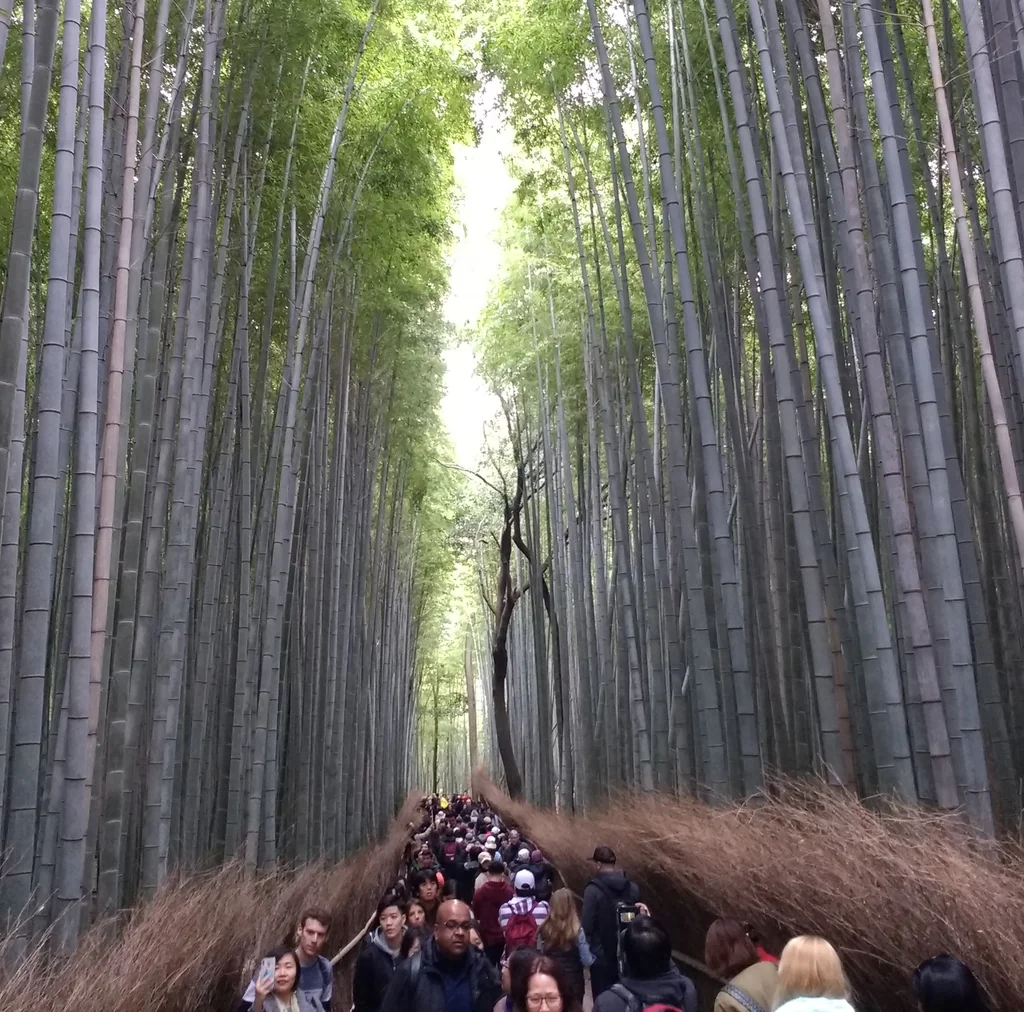
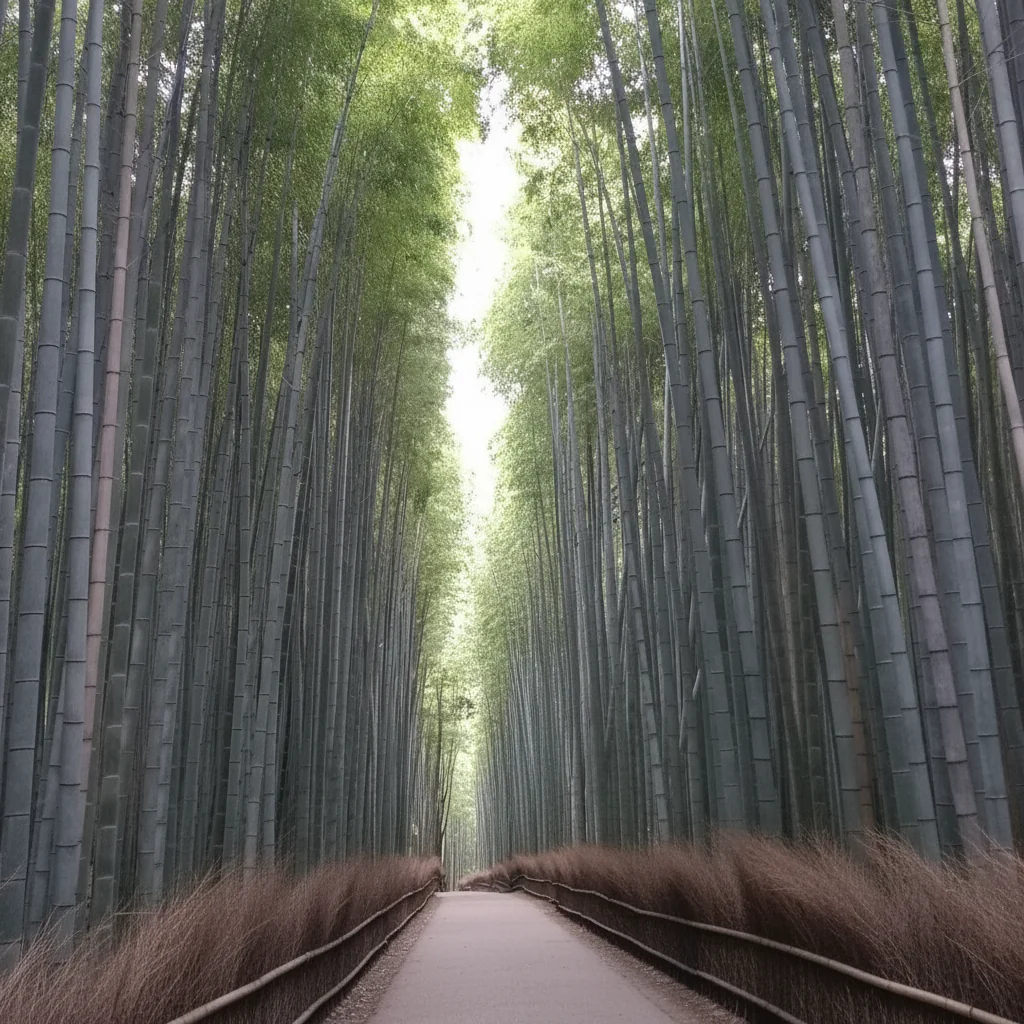
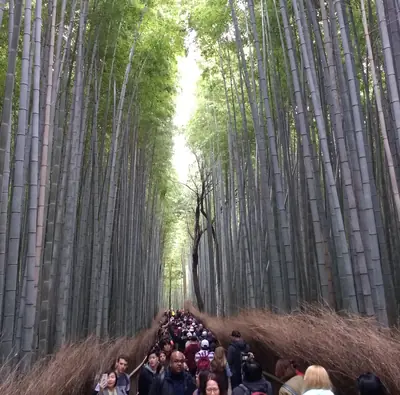
A1. Crowd removal at a landmark - pass
All tourists removed and the path reads as genuinely empty. The bamboo behind them is continuous with no ghost limbs. Background stalk detail is regenerated rather than recovered - the dead tree visible at centre-left of the input is gone. Source: File:Tourists at the bamboo forest in Kyoto 2.jpg (CC0, Wikimedia Commons). Success condition set in advance: Zero recognisable human figures remain, and the bamboo stalks and path surface behind where they stood are continuous with no smearing, ghost limbs or duplicated stalks.
Remove all the tourists and people from this photo so the bamboo path is completely empty. Keep the bamboo, the path and the lighting exactly as they are.

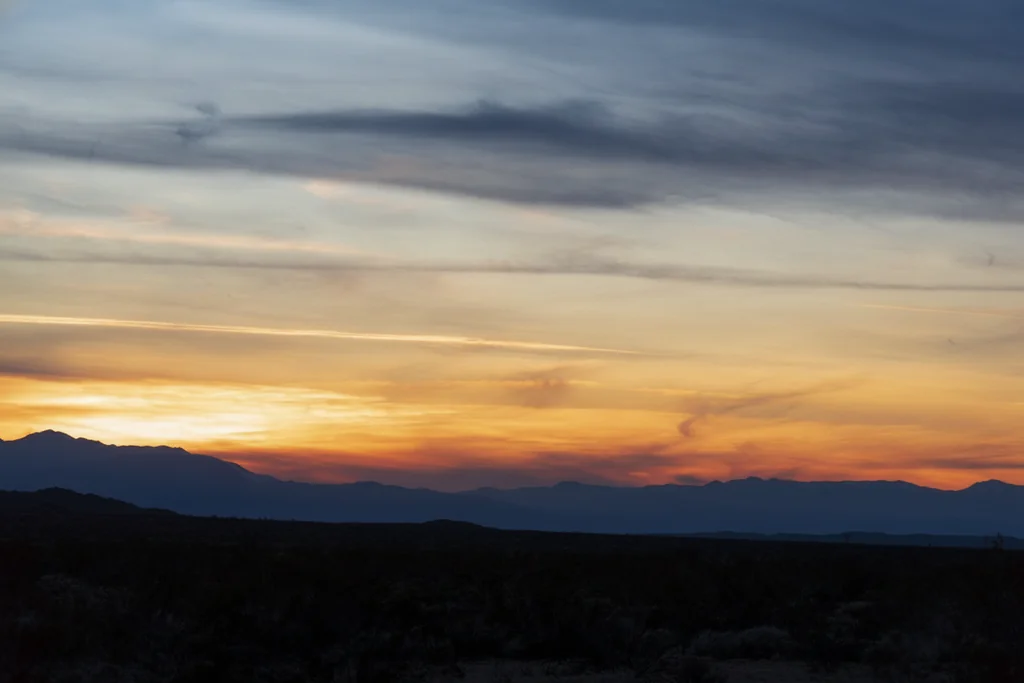
A2. Power lines across a landscape - pass
Cleanest result in the family. Every pylon and every wire is gone, including the thin runs against bright sky where residual ghosting is most common, and the sunset gradient is smooth. Source: File:Transmission lines in the Palm Springs-South Coast Field Office (33618049028).jpg (Public domain, Wikimedia Commons). Success condition set in advance: No pylon and no wire segment remains anywhere in the frame, including thin wires against bright sky, and the sky gradient is smooth with no residual line ghosting.
Remove the electricity pylons and all the overhead power lines from this photo. Leave a clean, empty sky and keep the desert landscape and sunset colours unchanged.
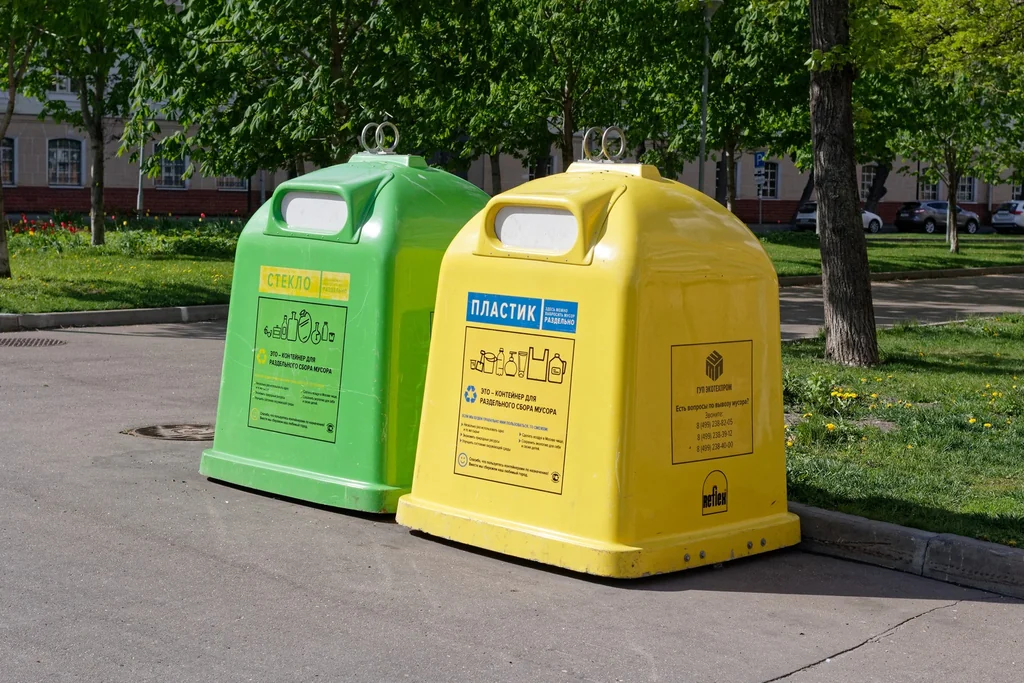
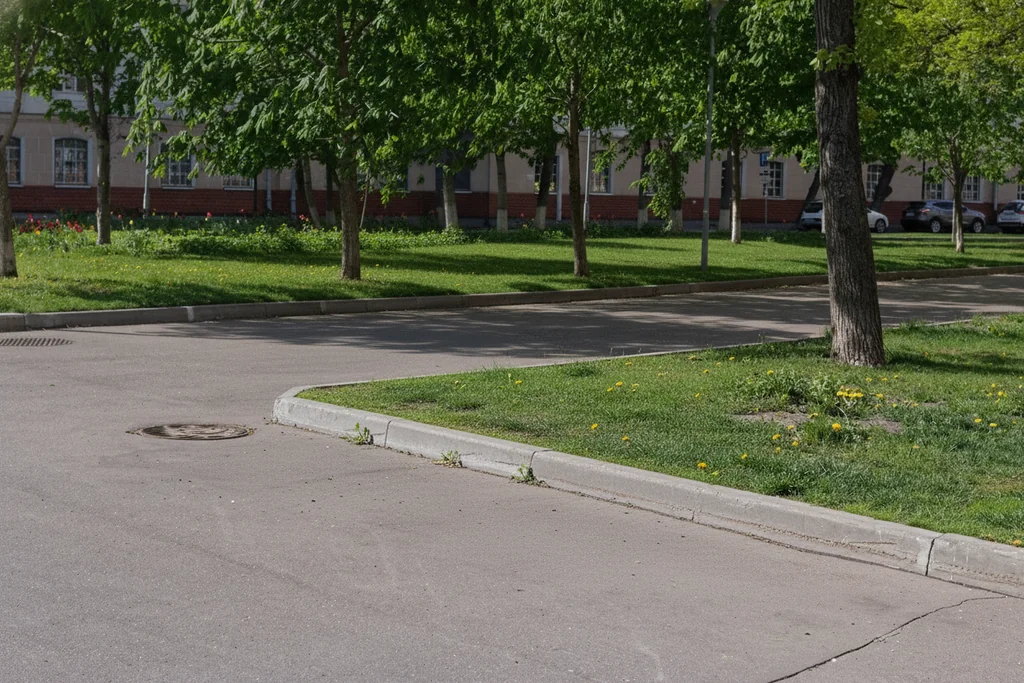
A3. Bins on a residential street - pass
Both bins gone with a convincing path and kerb rebuilt underneath. But the background drifted: the brick section of the building, the window layout and the parked cars were all re-rendered differently. Source: File:Moscow, Pavlovskaya Street sorted trash bins May 2022 01.jpg (CC0, Wikimedia Commons). Success condition set in advance: All bins are gone and the replacement ground plane matches the surrounding path/grass in texture, colour and perspective with no bin-shaped patch.
Remove the rubbish bins from this photo. Fill the space with the path and grass that would be behind them and keep everything else identical.

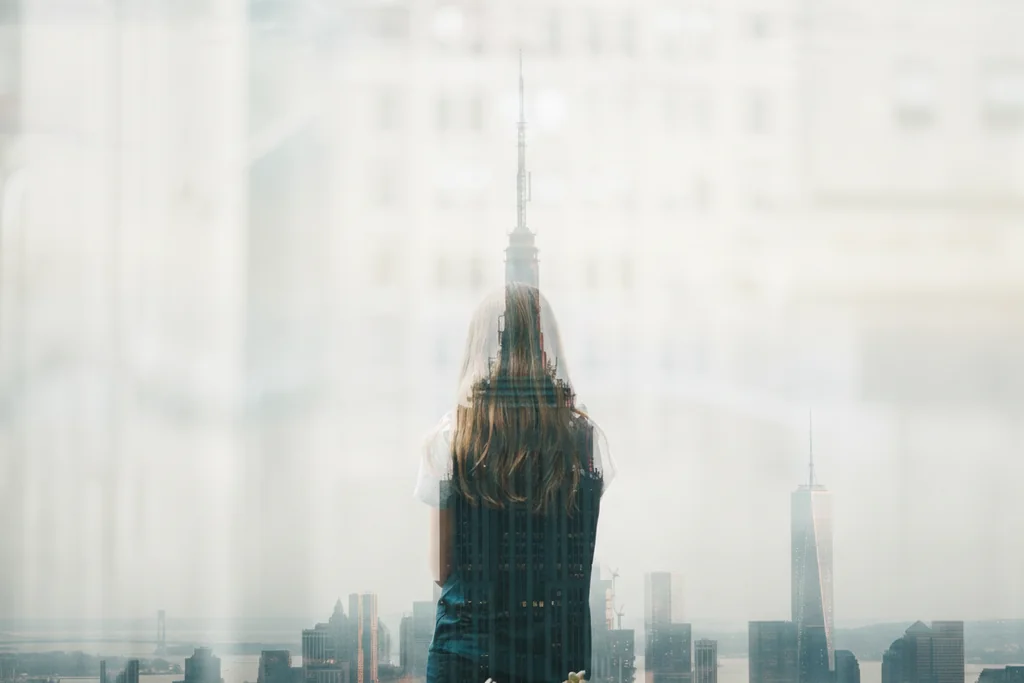
A4. Reflection cleanup in glass - fail
The reflected people were removed cleanly, but the condition required the scene behind the glass to stay intact and it was repainted - the lower skyline gained buildings that are not in the input, including a tower at right that the original does not contain. Source: File:Skyscraper and woman reflected (Unsplash).jpg (CC0, Wikimedia Commons). Success condition set in advance: The ghosted human figures are removed from the glass while the building seen through the glass stays intact and correctly aligned - not repainted or replaced.
Remove the reflections of the people and the street from the glass so the building behind the window is clean and clear. Keep the building itself unchanged.
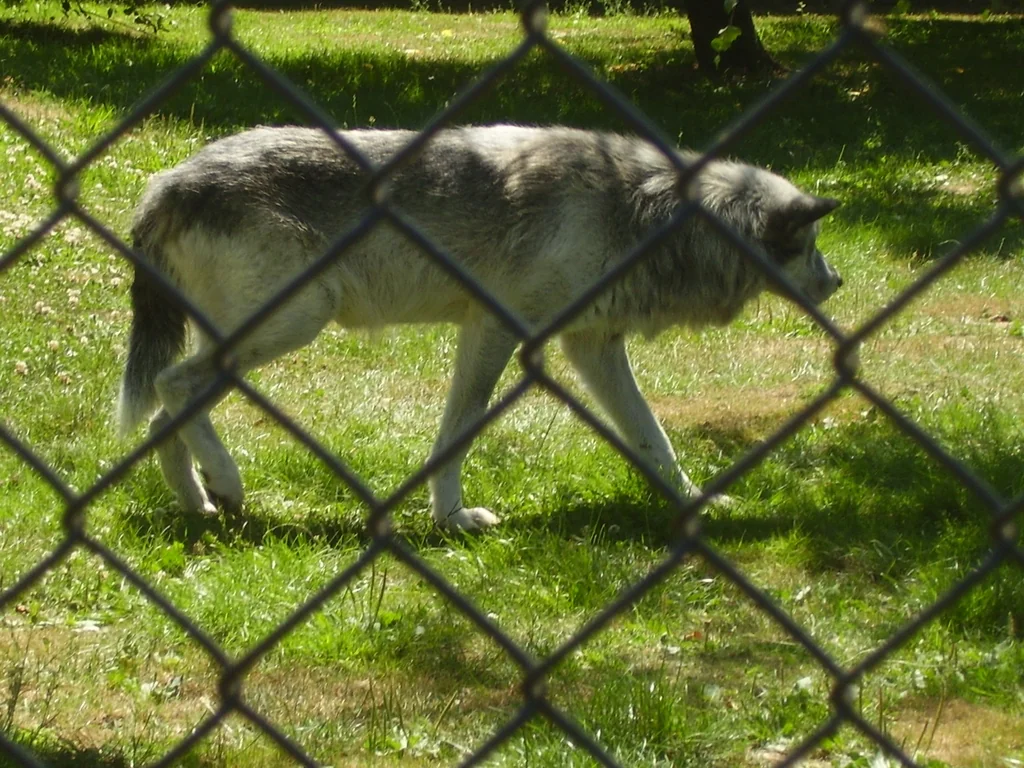
A5. Chain-link fence in front of the subject - pass
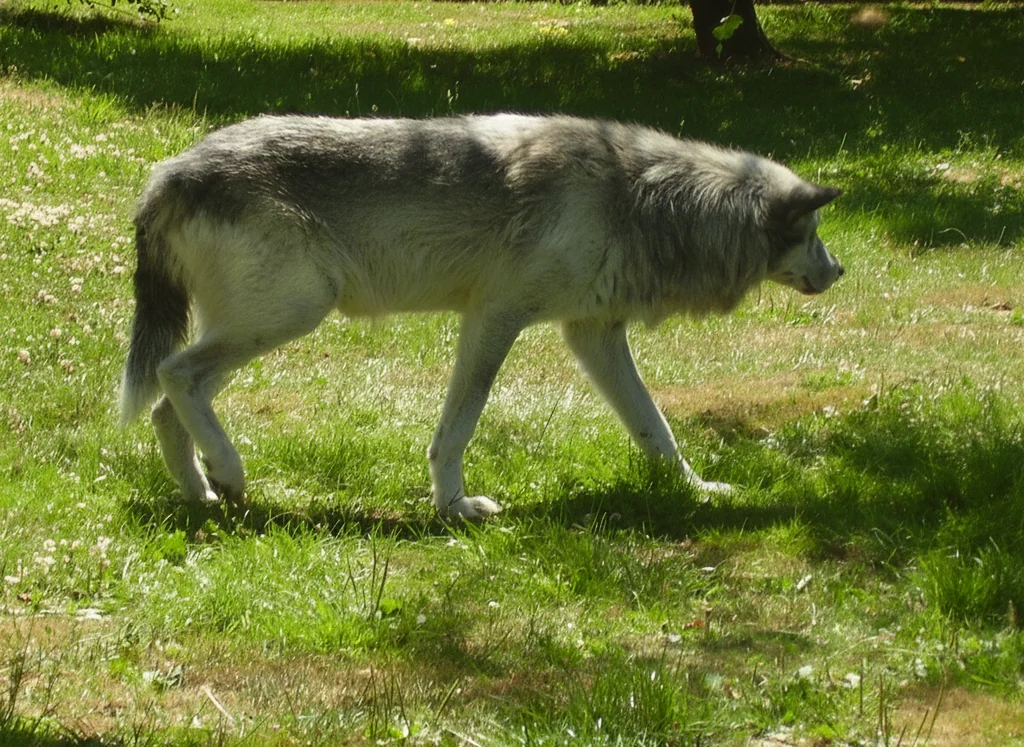
Strongest occlusion result of the run. The diamond mesh is entirely gone and the wolf's fur is reconstructed continuously across every place a wire crossed it, with pose and markings intact. The recovered fur is plausible invention, not recovered detail. Source: File:Canadian Timber wolf behind a chain-link fence, at Howletts Zoo, UK..jpg (Public domain, Wikimedia Commons). Success condition set in advance: No diamond mesh remains over the animal or background, and the wolf's fur pattern is reconstructed continuously with its face, eyes and body proportions unchanged.
Remove the chain-link fence that is in front of the wolf. Reconstruct the wolf's fur and the background where the wire crossed them, and keep the wolf's pose and markings exactly the same.
A6. Car parked in front of a house - fail
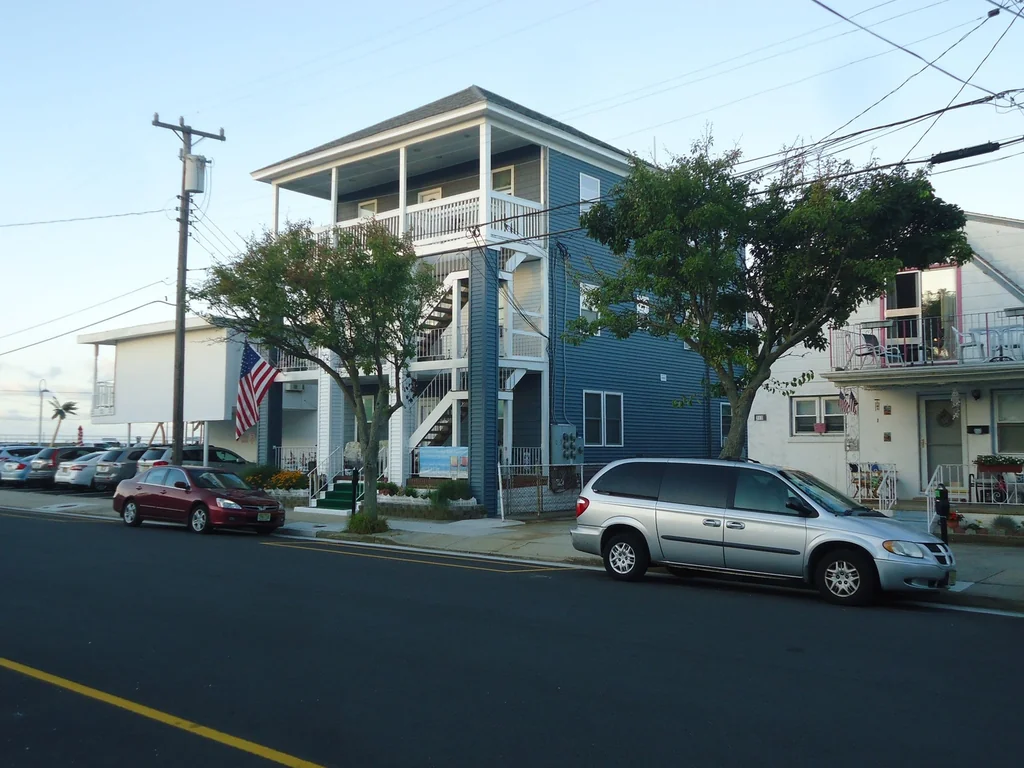
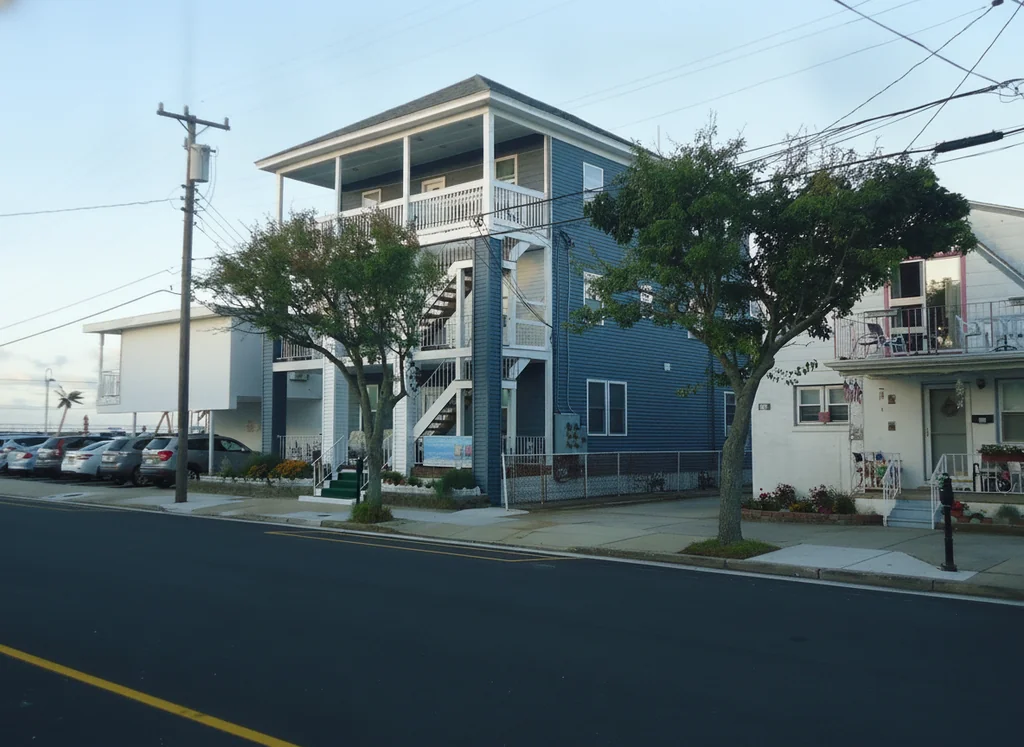
Both cars were removed, but the condition forbade altering the house and the facade changed: the US flag hanging at the left of the porch is gone, the porch and steps are re-rendered, and the planting differs. A real-estate user would notice the missing flag immediately. Source: File:House in Wildwood New Jersey with car parked in front.jpg (CC0, Wikimedia Commons). Success condition set in advance: All vehicles are removed, the road/driveway surface behind them is continuous, and no part of the house facade, porch railing or planting is altered or occluded.
Remove the parked cars from in front of this house so the driveway and street are empty. Keep the house, porch and garden exactly as they are.
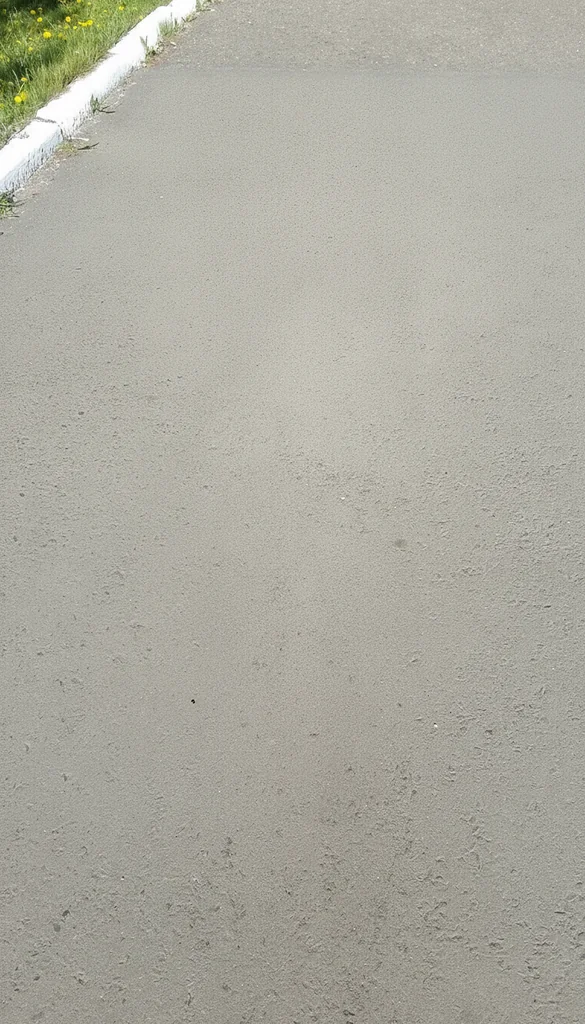
A7. Photographer's own shadow in frame - pass
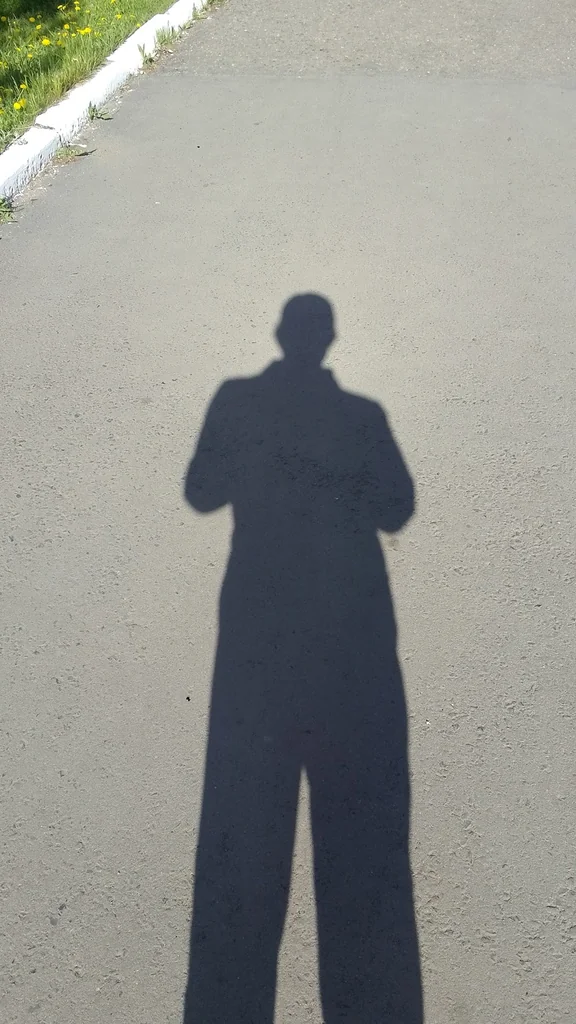
The photographer's silhouette is completely gone and the replacement asphalt matches the surrounding surface in tone and grain with no patch outline. A clean-plate case the product handles well. Source: File:The shadow of a man.jpg (CC0, Wikimedia Commons). Success condition set in advance: The human-shaped shadow is gone and the replacement asphalt matches the surrounding surface in tone and grain with no visible patch outline.
Remove the shadow of the photographer from the ground. Fill the area with clean road surface that matches the rest of the ground.


A8. Pole growing out of a subject's head - pass
Pole removed including the section running immediately behind the head outline, and the ranger is clearly the same person with hat, badge and name bar intact. As everywhere in this run the output is a re-render, so the pixels are not identical even where the content is. Source: File:Ranger portrait profile Greg formal uniform (17183655228).jpg (Public domain, Wikimedia Commons). Success condition set in advance: The pole is fully removed including the section adjacent to the head outline, the background fills plausibly, AND the man's face and uniform are pixel-faithful - no identity drift.
Remove the vertical pole behind this man's head and shoulder. Keep his face, hat and uniform completely unchanged and fill the background naturally.


A9. Object on a repeating patterned surface - pass
The bicycle is gone and the cobblestone grid continues across the gap with consistent stone size and perspective - the hardest pattern-continuation case in the set. The wall behind drifted: the window positions and the dark baseboard stripe changed. Source: File:Bike on street Copenhagen (Unsplash).jpg (CC0, Wikimedia Commons). Success condition set in advance: The bicycle is gone and the cobblestone grid continues across the gap with consistent stone size, joint spacing and perspective - no blur patch or broken pattern seam.
Remove the bicycle from this photo. Rebuild the cobblestone paving underneath it so the pattern continues naturally.
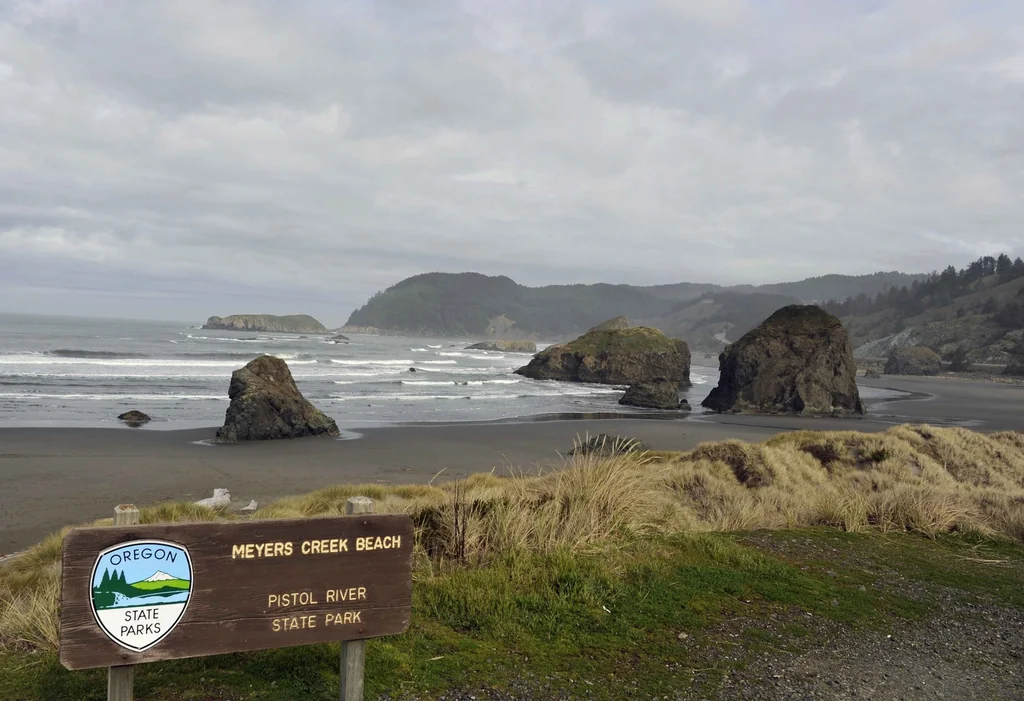
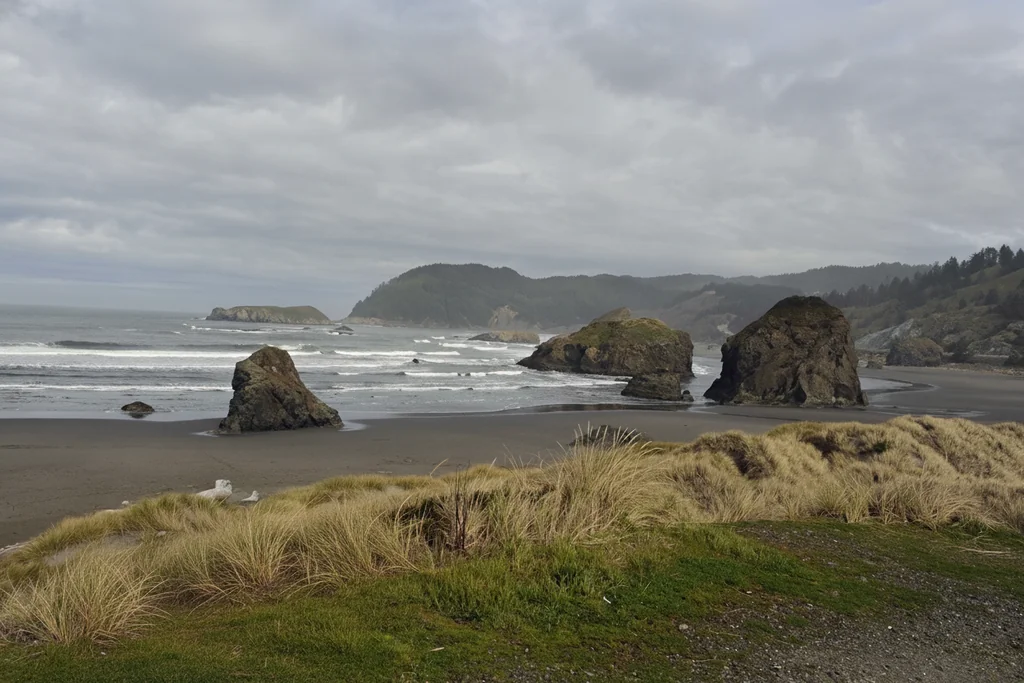
A10. Intrusive sign in a scenic view - fail
The sign and post were removed well, but the condition required the coastline and sea stacks to be unchanged and they were re-rendered - the rocks shift position and change silhouette between input and output. Source: File:Scenic view of Meyer creek beach with state parks sign in the foreground.jpg (Public domain, Wikimedia Commons). Success condition set in advance: The sign and its post are entirely removed and the vegetation/beach behind it is reconstructed, with the coastline and sea stacks unchanged.
Remove the park sign from the foreground of this photo. Keep the beach, sea stacks and sky exactly as they are.
Where object removal broke down
Reflections: the scene behind the glass was repainted (case A4 - failed)
Why: The ghosted people were removed from the window cleanly, but the skyline visible through the glass was regenerated and gained buildings that do not exist in the input, including a tower at the right edge. The requested removal worked; the untouched-background requirement did not.
If the background carries information you care about - a recognisable skyline, a specific building - compare it against the original before you use the result.
Property photos: the cars went, but so did the flag (case A6 - failed)
Why: Both parked cars were removed as asked. The condition also required the house to be untouched, and it was not: the US flag hanging on the porch vanished, and the steps and planting were re-rendered. For listing photography that is a material change.
For real-estate work, check the facade, signage and fixtures against the original - the requested edit can succeed while the property quietly changes.
Landscapes: the sign came out but the coastline moved (case A10 - failed)
Why: The park sign and its post were removed convincingly and the ground behind them rebuilt. But the sea stacks shifted position and changed silhouette between input and output, which the condition explicitly ruled out.
Landmarks and distinctive natural features are not anchored. If the geography has to be accurate, this is not the right tool for that frame.
The cross-cutting one: it rebuilds the whole photo, not just the part you asked about
Why: Every output in this run is a newly generated image rather than the original with a patch applied. That is why all three failures are background drift rather than a bad cut-out - the removal itself was good in all ten cases. It also means even the passes are not pixel-identical outside the edit.
Treat the output as a new photograph of the same scene. Where exactness matters, keep the original and compare.
Questions about this test
Does it remove chain-link fences in front of a subject?
Yes, in our test. The fence case (A5) was the cleanest occlusion result of the run: the mesh came off the wolf entirely and the fur was rebuilt continuously across every wire crossing. Be aware the reconstructed fur is plausible invention, not recovered detail - it looks right, but it is not what was actually behind the wire.
Can it remove power lines from a landscape?
Yes. Case A2 removed every pylon and every wire, including the thin runs against bright sky where leftover ghosting usually shows, and left a smooth sunset gradient. This was the strongest pass in the set.
Why did the house photo fail if the cars were removed?
Because the condition required the house to be untouched, and it was not. The cars went, but the US flag on the porch disappeared and the steps and planting were re-rendered. For real-estate work that is a real failure even though the requested edit succeeded.
What is the single biggest limitation?
It regenerates the whole frame rather than editing one region. Every output here is a new image, not the original with a patch. When the rest of the frame matters - a specific skyline, a coastline, a facade - check it before you publish.
How many photos did you test and how were they chosen?
Ten, chosen to cover distinct difficulty classes rather than to flatter the tool: crowd, wires, bins, glass reflection, fence occlusion, parked cars, the photographer's own shadow, a pole behind a head, an object on cobblestones, and a sign blocking a view.
You might also like
Popular use cases
Test it on your own photo
Same editor, same settings we used above.
Upload Your Photo