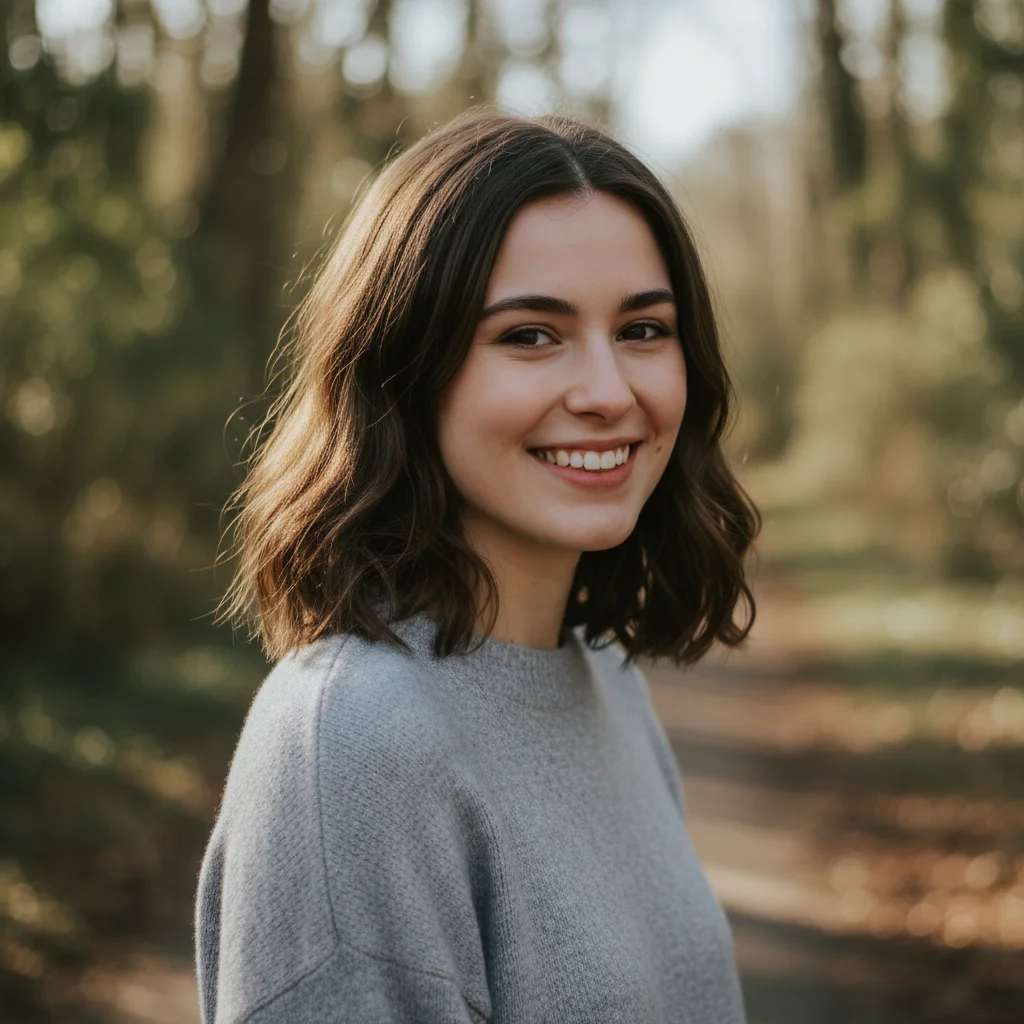
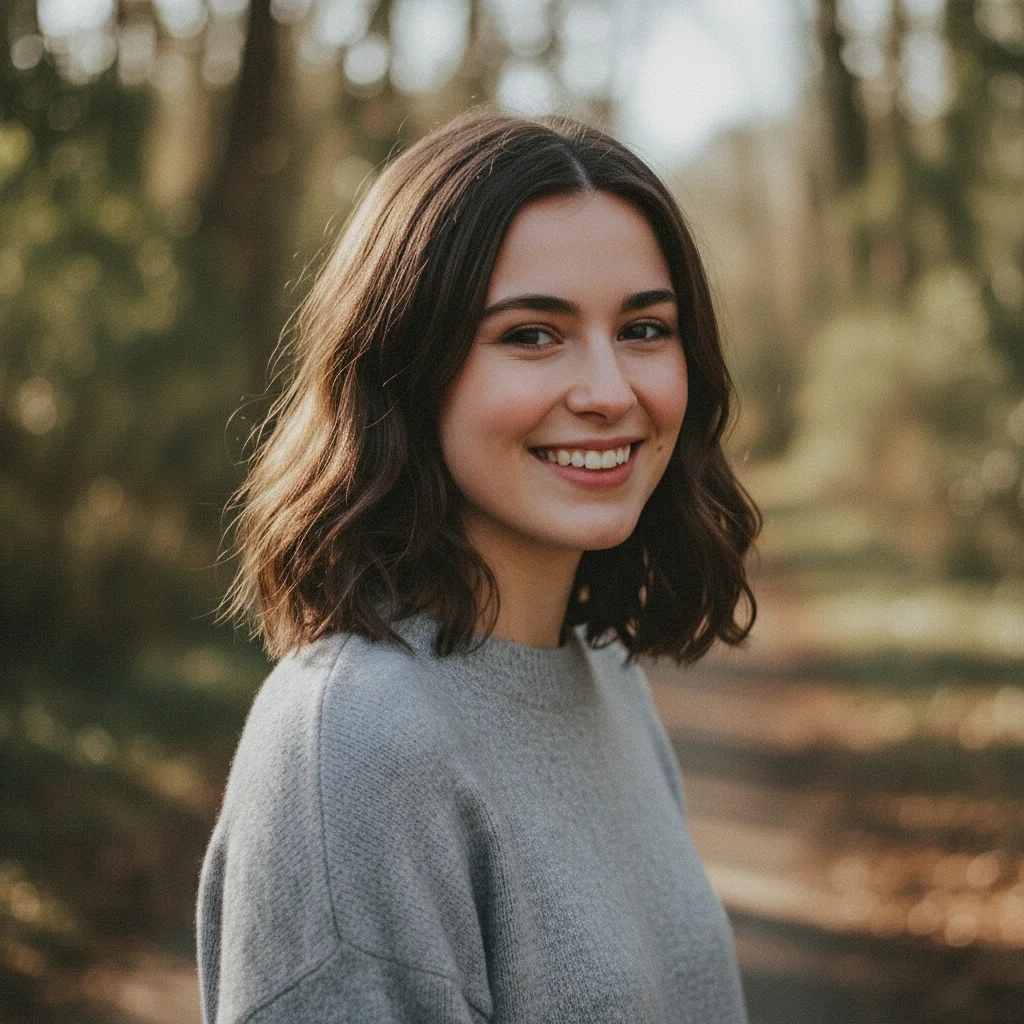
Can I keep faces recognizable while applying the Photo to Vintage Film effect?
Yes. By default the AI preserves face structure and identity while stylizing only colors, textures, and background. For stronger styling, add 'heavier stylization on the background, keep faces recognizable.' Each pass takes 20-45 seconds. Free first edit per week, no signup.
Does it work on mobile?
Yes. EditThisPic works in any modern browser on phones, tablets, and desktops.
Can I choose specific film stocks?
Yes. Mention Kodak Portra, Fuji, Kodachrome, or CineStill in your prompt for their exact characteristics.
Does it add real film grain?
Yes. The AI adds authentic-looking grain texture that matches the specified film type.
What about light leaks?
Mention "light leaks" in your prompt for those accidental streaks of light across the frame.
Is my photo kept private when I transform photo into vintage film?
Yes. Your photo is processed in real-time by the AI and is not stored on our servers after editing. No account is required to use the tool, and we don't collect or share your images. Your original file stays on your device.
How does EditThisPic compare to MyHeritage for transforming photo into vintage film?
EditThisPic uses AI that understands natural language, so you describe the edit you want instead of using complex tools. It works instantly in your browser with no software to install or learn. For transforming photo into vintage film, you simply type what you want and the AI handles the rest in 20-45 seconds.
Can the AI restore a photo that has physical creases or tears?
Yes. Describe the damage — 'remove the crease across the middle' or 'fix the torn corner.' The AI reconstructs missing image data by analyzing the surrounding context. Severe damage may need multiple targeted prompts for best results.
Can I transform photo into vintage film for multiple photos at once?
Currently, EditThisPic processes one photo at a time for the best AI results. Upload each photo individually and use the same prompt — the process takes about 20-45 seconds per image. For large batches, a paid plan gives you more edits without the weekly wait.
What makes a good photo for transforming photo into vintage film?
Well-lit photos with clear subjects produce the best results. Avoid heavily compressed or very small images. Front-facing angles typically work better than extreme side angles. The AI can work with most photos, but higher quality input means higher quality output.
What types of photos work best with this tool?
JPG, PNG, and WebP photos up to 7MB work best. The AI handles photos from any camera or phone. High-resolution images with good lighting produce the best results. Extremely dark, heavily compressed, or very small images may produce less precise edits.
Can I also adjust the lighting and colors in the same edit?
Yes! You can combine multiple edits in one prompt. For example, ask to transform photo into vintage film and adjust the lighting and colors at the same time. The AI understands complex multi-step instructions. For very different changes, separate prompts may give better control over each edit.
How much does EditThisPic cost?
You get 1 free edit per week — no account needed. After that, one-time credit packs start at $4.99 for 10 edits, valid 12 months, no subscription. Power users who edit daily can pick Studio, a monthly workspace from $29.99/mo. Purchased downloads are clean with no watermark.