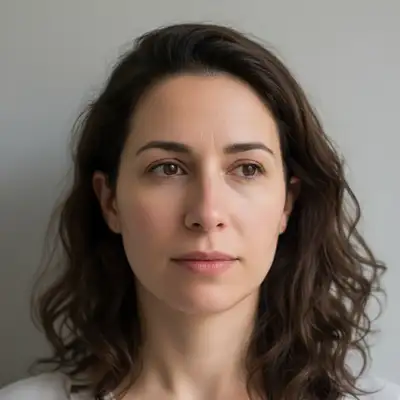
Remove Mask from Photo
Reveal faces behind masks with AI-powered face reconstruction.
Type 'remove the face mask and reveal the natural face underneath' and EditThisPic's AI reconstructs facial features in 30-60 seconds. No manual selection or complex editing required. The AI generates realistic nose, mouth, and chin areas based on the visible parts of the face. Works on surgical masks, cloth masks, and N95 respirators. Free to try, no account needed.
How it works
Upload your photo
Drop your masked portrait into EditThisPic. JPG, PNG, WebP up to 7MB. Photos with good lighting on the visible face areas (eyes, forehead, cheeks above mask) give the AI better context for reconstructing the covered features.
Describe what you want
Type your instruction: 'remove the face mask and show the natural face underneath' or 'take off the mask and reveal realistic facial features.' Be specific about skin tone matching if needed. No marking required - the AI recognizes face masks automatically and understands what to generate.
Copy one of these to get started:
remove the surgical face mask and reveal the natural face underneath, match skin tone with the visible forehead and cheeks
remove the cloth face mask and show natural facial features, realistic nose and mouth with matching skin tone
remove the N95 mask and reveal the face underneath, natural-looking nose, mouth, and chin area
remove the face mask and show a natural smile, friendly expression with matching skin tone
4 more prompts
remove the mask for a professional portrait, show natural neutral expression appropriate for business photo
remove the face mask from the person on the left and show their natural face, match their visible skin tone
remove only the face mask, keep the rest of the face exactly the same, natural nose and mouth
remove the mask from this side profile and show the natural nose, lips, and chin from this angle
Review the reconstructed face
Examine the generated facial features carefully. Check that the nose shape looks proportional to the face, the mouth and lips appear natural, skin tone matches the visible areas, and the chin/jawline blends seamlessly. Look at full zoom to verify details.
Refine with markers if needed
If facial features look unnatural or proportions seem off, tap markers on problem areas and regenerate with more specific instructions. For skin tone mismatches, mark the affected area and request matching. This is optional but helpful for complex cases.
Fine-tune details
For professional results, make additional passes to refine specific features. Address any remaining artifacts, uneven skin texture, or lighting inconsistencies between the reconstructed and original areas.
"Had so many pandemic-era family photos where everyone was masked. Finally got usable portraits for our holiday cards!" @sarah_memories
See it in action
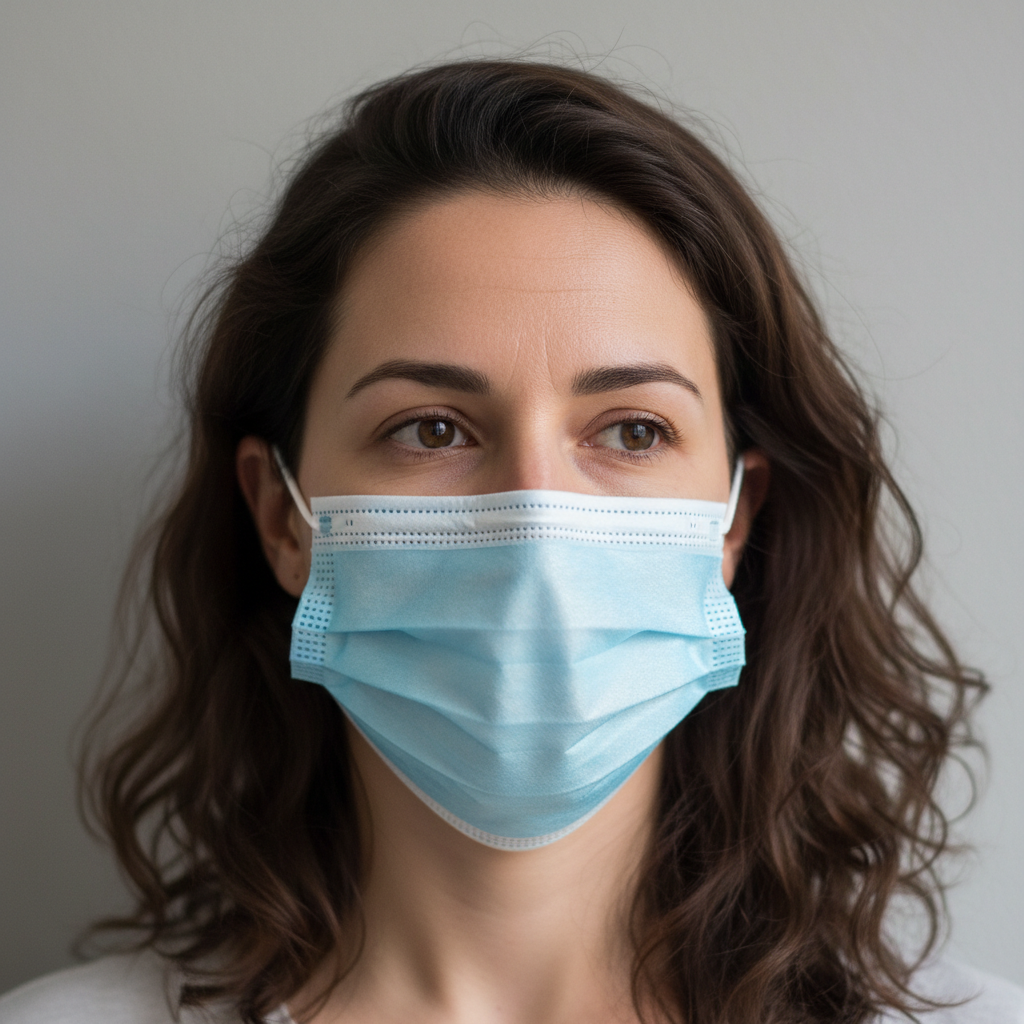
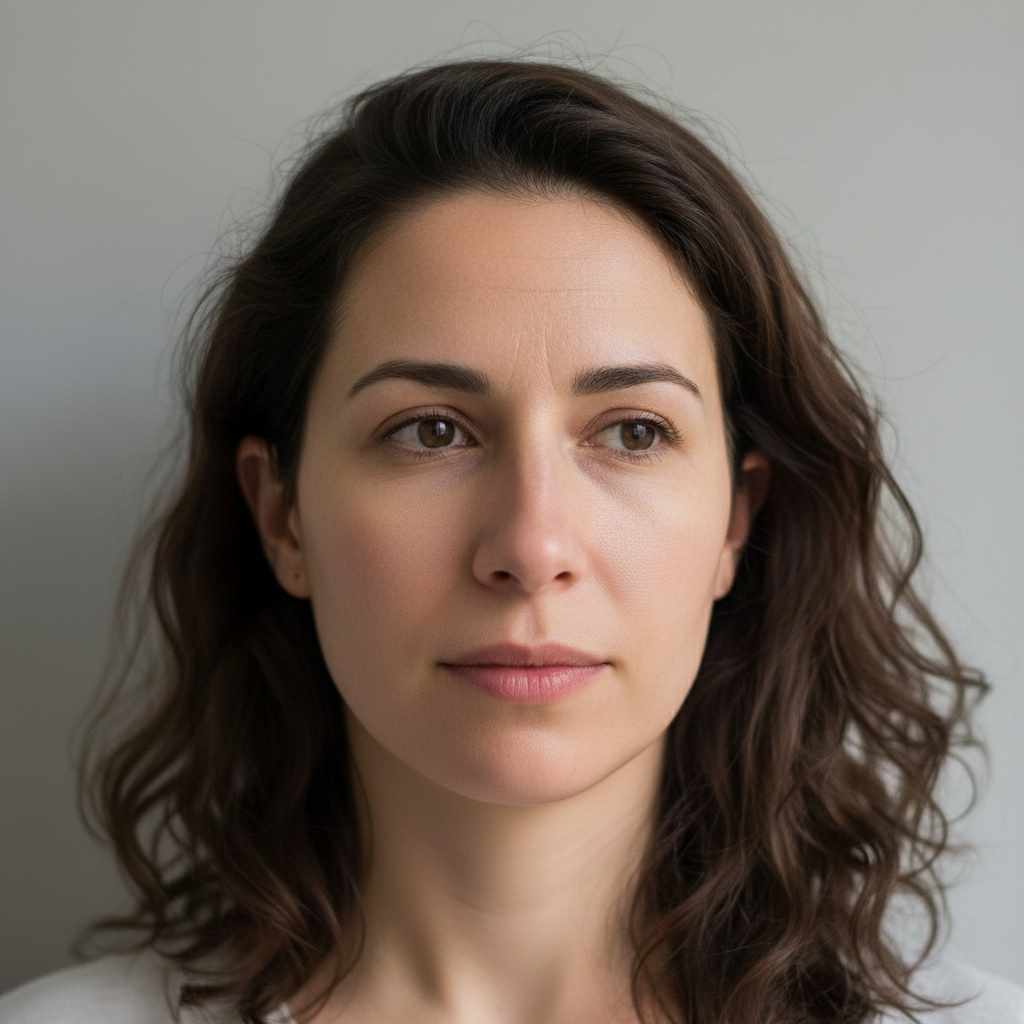
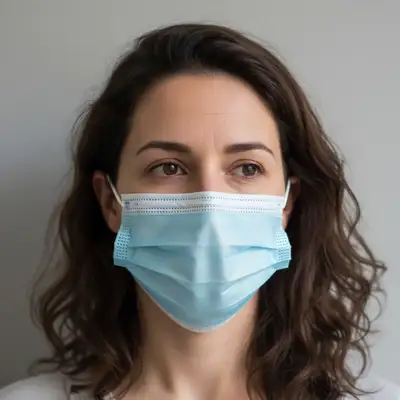
Surgical mask removed for portrait
Pandemic-era photo needed for a dating profile. AI removed the medical mask and generated natural facial features.
remove the surgical face mask and reveal the natural face underneath, match skin tone with the visible forehead and cheeks
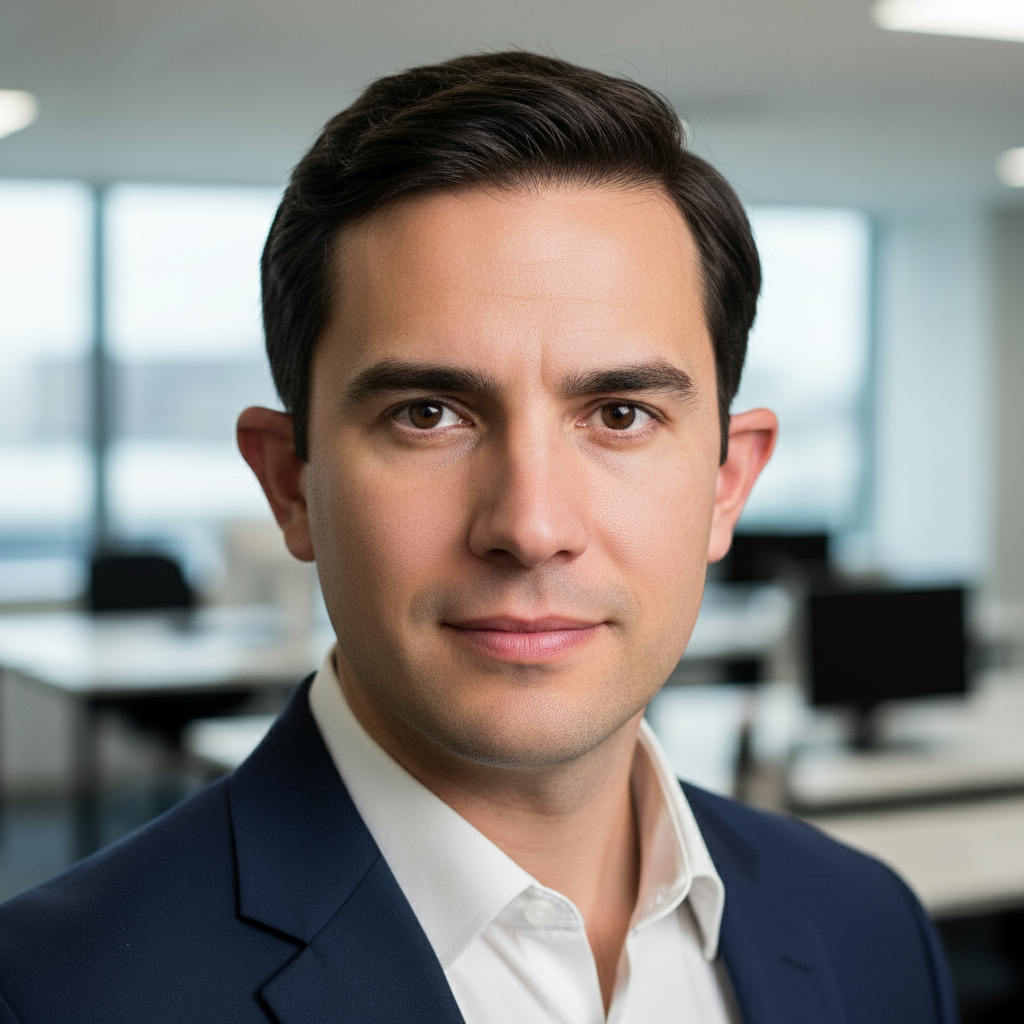
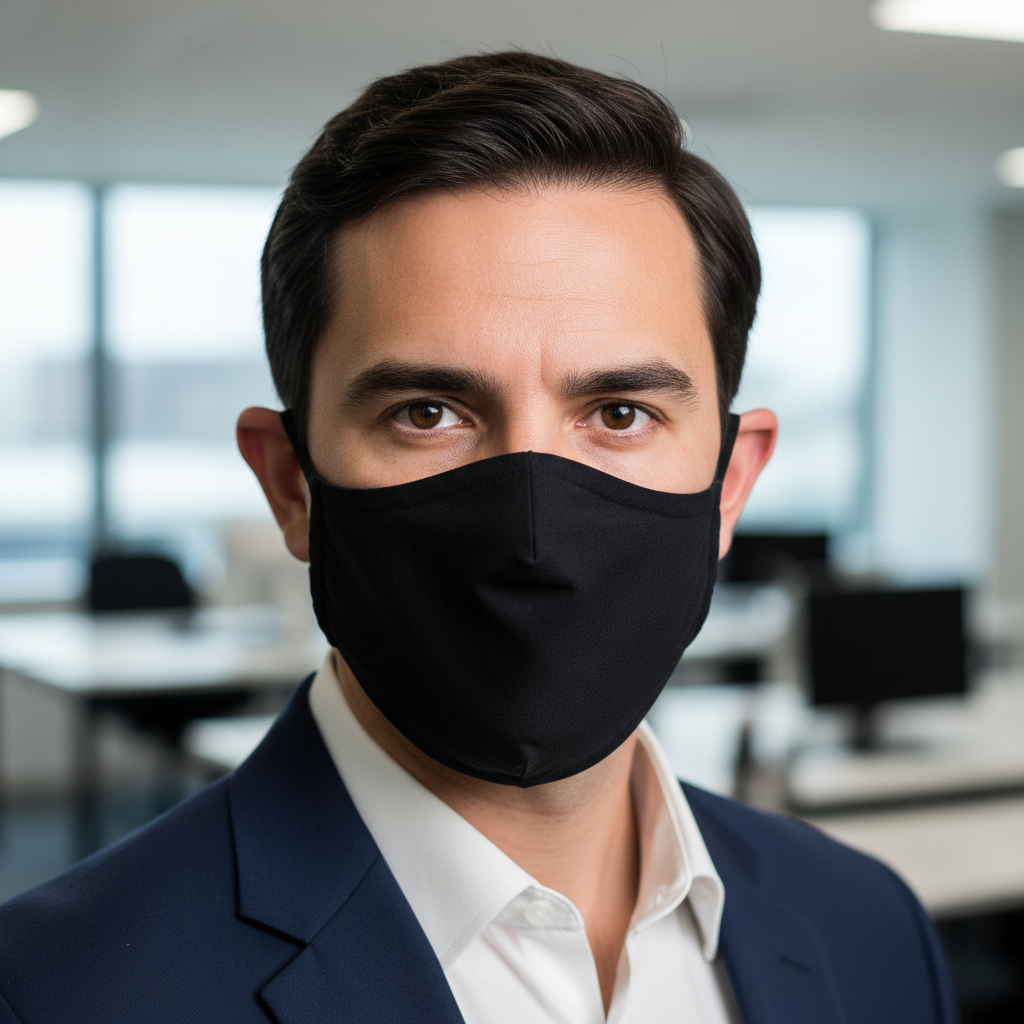
Black cloth mask removed
Professional photo from a masked event needed for LinkedIn. AI revealed natural face behind the fabric mask.
remove the cloth face mask and show natural facial features, realistic nose and mouth with matching skin tone
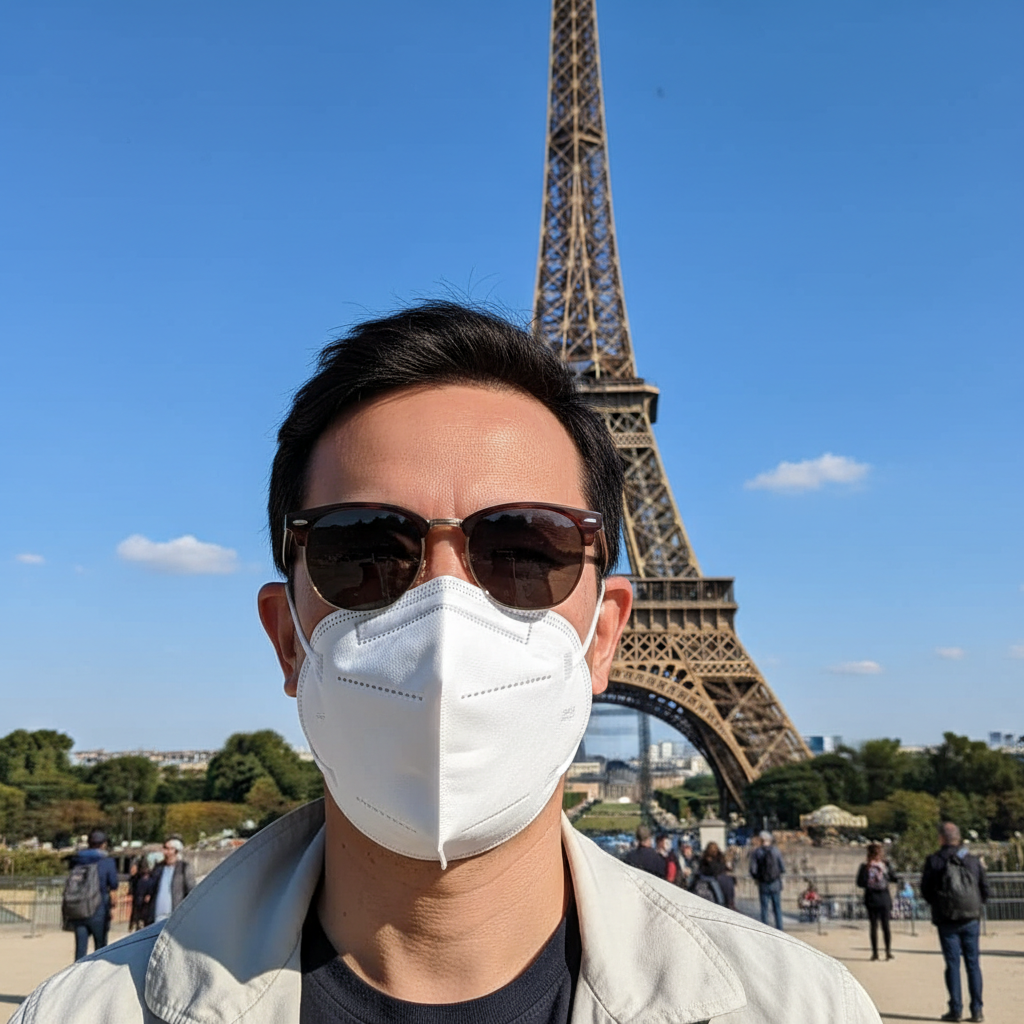
N95 respirator mask removed
Travel photo during mask mandates. AI reconstructed the face behind the white N95 mask for a proper vacation memory.
remove the N95 mask and reveal the face underneath, natural-looking nose, mouth, and chin area
If something looks off
Facial features look artificial or disproportionate
Why: The AI had limited visible face reference and generated features that don't match the face shape or proportions visible in the upper face.
remove the mask and show more natural-proportioned nose and mouth that match this face shape
💡 If results are consistently off, try describing specific features: 'smaller nose' or 'fuller lips'.
Skin tone mismatch between visible and reconstructed areas
Why: Lighting differences on the visible face versus shadow under the mask can cause tone inconsistency.
remove mask and match skin tone exactly with the visible forehead, even lighting across the face
💡 Tap markers on the mismatched areas and request 'blend skin tone with surrounding area'.
AI changed the wrong area or something I didn't want changed
Why: The AI couldn't determine exactly which area you meant from description alone. This happens with ambiguous requests.
Tap a marker on the specific area you want to change, then regenerate with the same prompt
💡 Markers tell the AI 'I mean THIS one specifically.' Use them when description alone is ambiguous.
Expression looks wrong or unnatural
Why: Without seeing the original mouth position, the AI guessed an expression that may not match the eyes.
remove mask and show a natural [smile/neutral/serious] expression that matches the eyes
💡 Look at the eyes in your photo - are they smiling? Match the mouth expression to them.
Mask edges or straps still visible
Why: Mask straps against hair or ears may not be fully detected during the initial removal.
Tap markers on remaining mask straps and regenerate: 'remove all traces of the face mask including straps'
💡 Address straps separately from face reconstruction for cleaner results.
Jawline or chin looks wrong
Why: The AI must reconstruct the entire lower face which requires inferring bone structure from limited visible information.
remove mask and show natural jawline that matches the visible face width and bone structure
💡 If the person has distinctive jawline features, describe them: 'sharp jawline' or 'rounded chin'.
Results different each generation
Why: Face reconstruction involves generating new features, so each attempt produces variations based on the AI's interpretation.
Keep trying until you get a version you like, then refine that specific result
💡 Generate 2-3 versions and choose the best base result to refine further.
Quick answers
Do I need to mark the mask before describing?
No! Just describe what you want: 'remove the face mask' or 'take off the mask and show the face.' The AI recognizes face masks automatically. Only use markers if you need to refine specific areas of the reconstructed face or remove stubborn mask straps.
Will the face look like the actual person?
The AI generates plausible facial features based on visible parts of the face (eyes, forehead, cheek bones, skin tone). It creates a realistic face that matches the overall appearance, but cannot recreate the person's exact features since those were hidden. Results are natural-looking but may differ from reality.
What types of masks work best?
Surgical masks and cloth masks with clear edges work best. N95 respirators and masks with complex strapping may require more refinement. Masks that reveal some cheek area give the AI better context for skin tone and face shape matching.
Can I specify what the face should look like?
Yes! Add details to your prompt: 'show a slight smile' or 'neutral expression with closed mouth.' You can also suggest features like 'natural nose' or 'full lips' though the AI will try to match what seems proportional to the visible face.
How do I get consistent results across multiple photos?
For a photo series, find your best result first, then use similar prompts for other photos. Note what works: 'slight smile' or 'neutral expression.' Results will vary but using consistent descriptive language helps maintain a similar look.
Can I remove masks from group photos?
Yes, but work on one person at a time. Specify which person: 'remove the mask from the person on the left' or tap a marker on that specific mask. This gives you control over each face reconstruction.
Ready to reveal the face behind the mask?
Free to try. No signup required.