Free • No signup Apply Sepia tone · Free

AI Sepia Filter

Add authentic vintage sepia tone to any photo instantly.

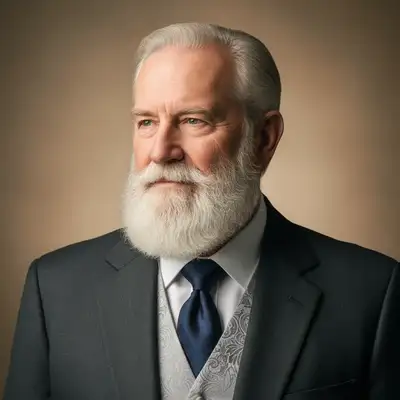
Portrait before sepia tone filter
Before
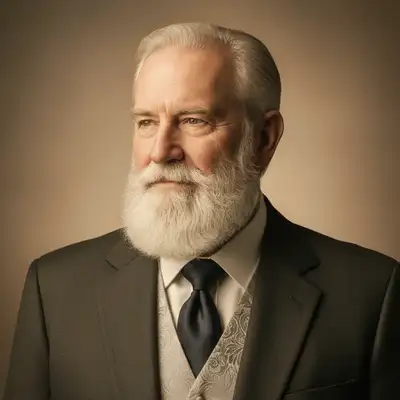
Portrait with classic warm sepia tone
After

AI Sepia Filter

Upload photo to apply sepia tone

Free • Results in 30 seconds • No signup

Release to upload

FreeNo signupNo watermark
Popular use cases:
  • vintage photos
  • old photograph aesthetic
  • nostalgic images
  • historical recreation
  • antique photo style
  • period photography
  • memorial photos
  • heritage documentation

Cost
Free No signup required
Time
Instant results in 15-30 seconds
Works on
Any device - browser, phone, tablet, desktop
Powered by
AI-powered photo editing
Scenario Prompt Time
Classic sepia tone apply classic sepia tone to this photo with warm brown vintage aesthetic 15s
Subtle sepia tint add subtle sepia tint with gentle warm brown tones while preserving some original colors 15s
Strong vintage sepia apply strong sepia tone with deep rich brown tones like an aged 1920s photograph 15s
Sepia with vignette add sepia tone with warm brown vintage aesthetic and dark edges vignette 15s

How it works

  1. Upload your photo

    Upload any photo for color work. Images with varied tones give the AI more to work with for sepia tone adjustments. JPG, PNG, WebP up to 7MB.

    Expect: Simple sepia applications: 15-20 seconds. All sepia filters complete in under 30 seconds.
  2. Describe the sepia style you want

    Type your instruction: 'apply sepia tone to this photo' or 'add vintage sepia effect with warm brown tones.' Be specific about intensity (subtle, classic, strong) and warmth level. No marking needed—the AI applies sepia to the entire image.

    Tip: Sepia tone ranges from subtle warm tint to full vintage brown. Specify 'light sepia' for gentle warmth or 'strong sepia' for authentic old photograph look.

    Copy one of these to get started:

    Classic sepia tone apply classic sepia tone to this photo with warm brown vintage aesthetic
    Subtle sepia tint add subtle sepia tint with gentle warm brown tones while preserving some original colors
    Strong vintage sepia apply strong sepia tone with deep rich brown tones like an aged 1920s photograph
    Sepia with vignette add sepia tone with warm brown vintage aesthetic and dark edges vignette
    2 more prompts
    Cool-toned sepia apply cool sepia tone with muted brown-gray vintage aesthetic
    Sepia with grain add sepia tone with warm brown aesthetic and visible film grain texture
  3. Review the vintage aesthetic

    Check the warm brown tones and vintage character at full size. Verify the sepia intensity and warmth match your desired aesthetic. Sepia should feel naturally aged, not artificially tinted.

Try it free

AI Sepia Filter

Upload photo to apply sepia tone

Free • Results in 30 seconds • No signup

Release to upload

Free • No signup

"Perfect sepia effect. Makes my modern photos look like authentic vintage photographs from the 1920s." @vintagephoto

See it in action

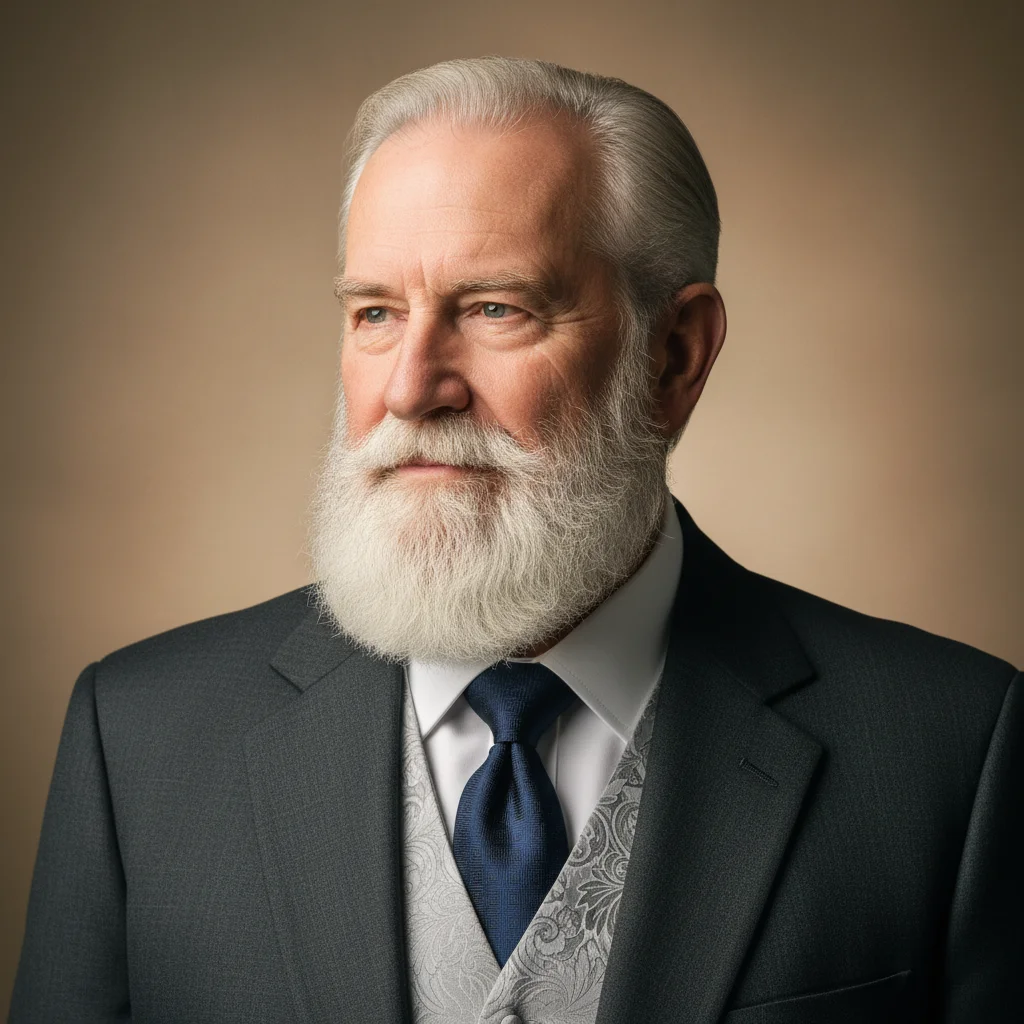
Portrait before sepia tone filter
Before
->
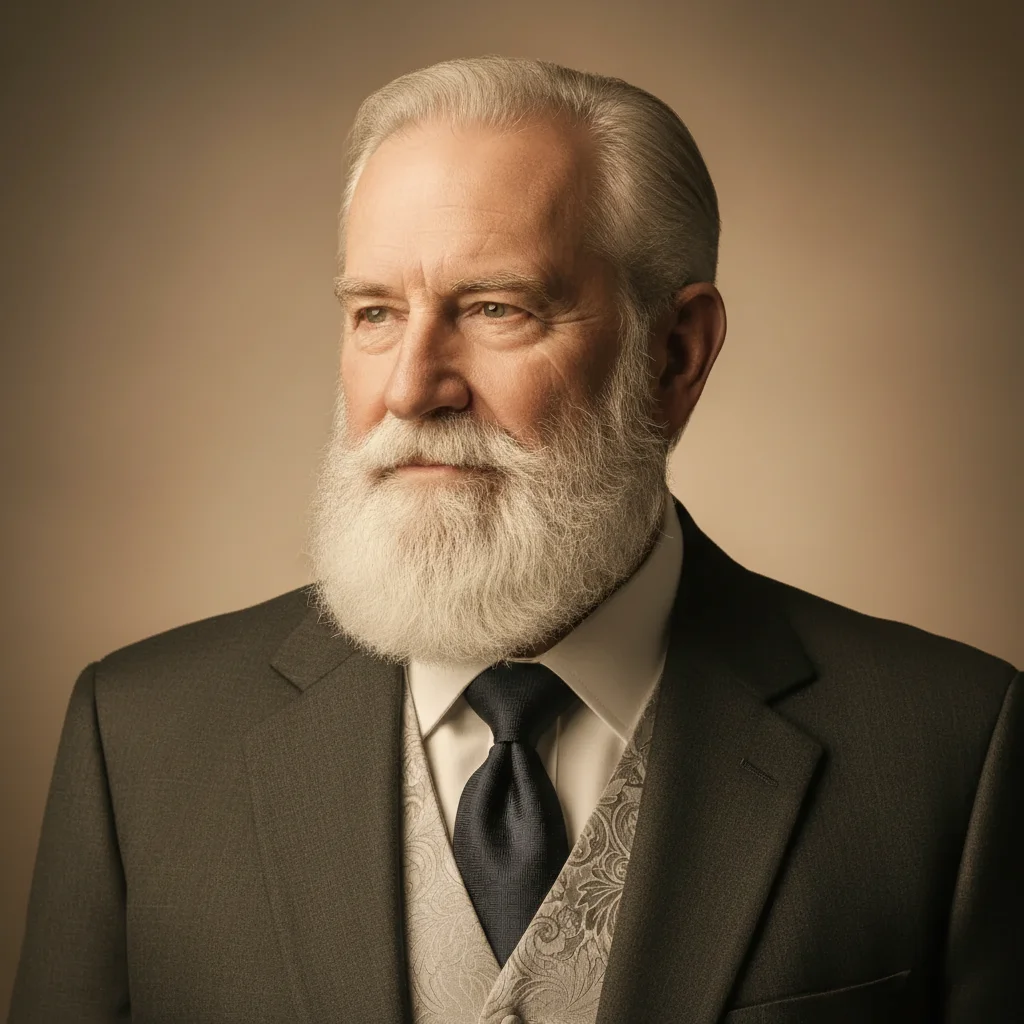
Portrait with classic warm sepia tone
After

Portrait with Classic Sepia

Applied classic sepia tone to a modern portrait, creating authentic vintage photograph aesthetic with warm browns.

Prompt: apply classic sepia tone to this photo with warm brown vintage aesthetic
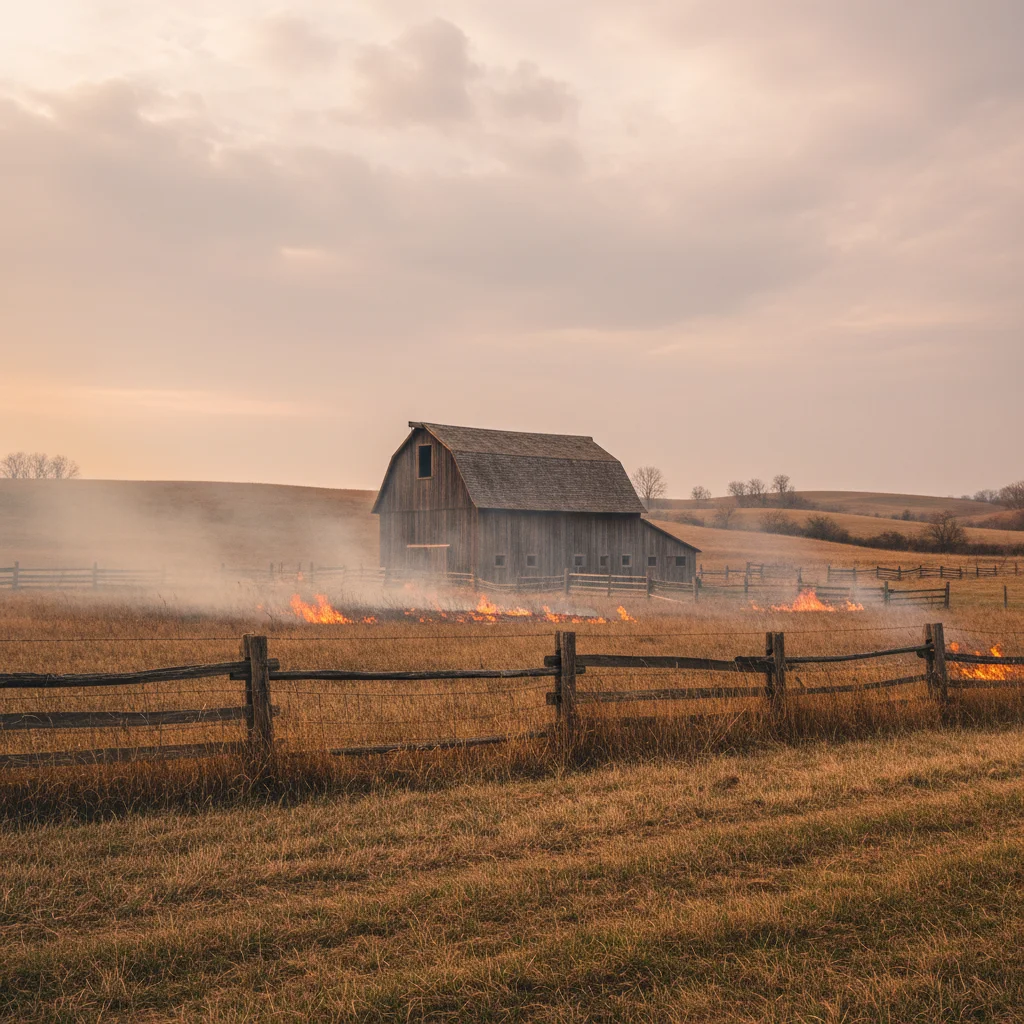
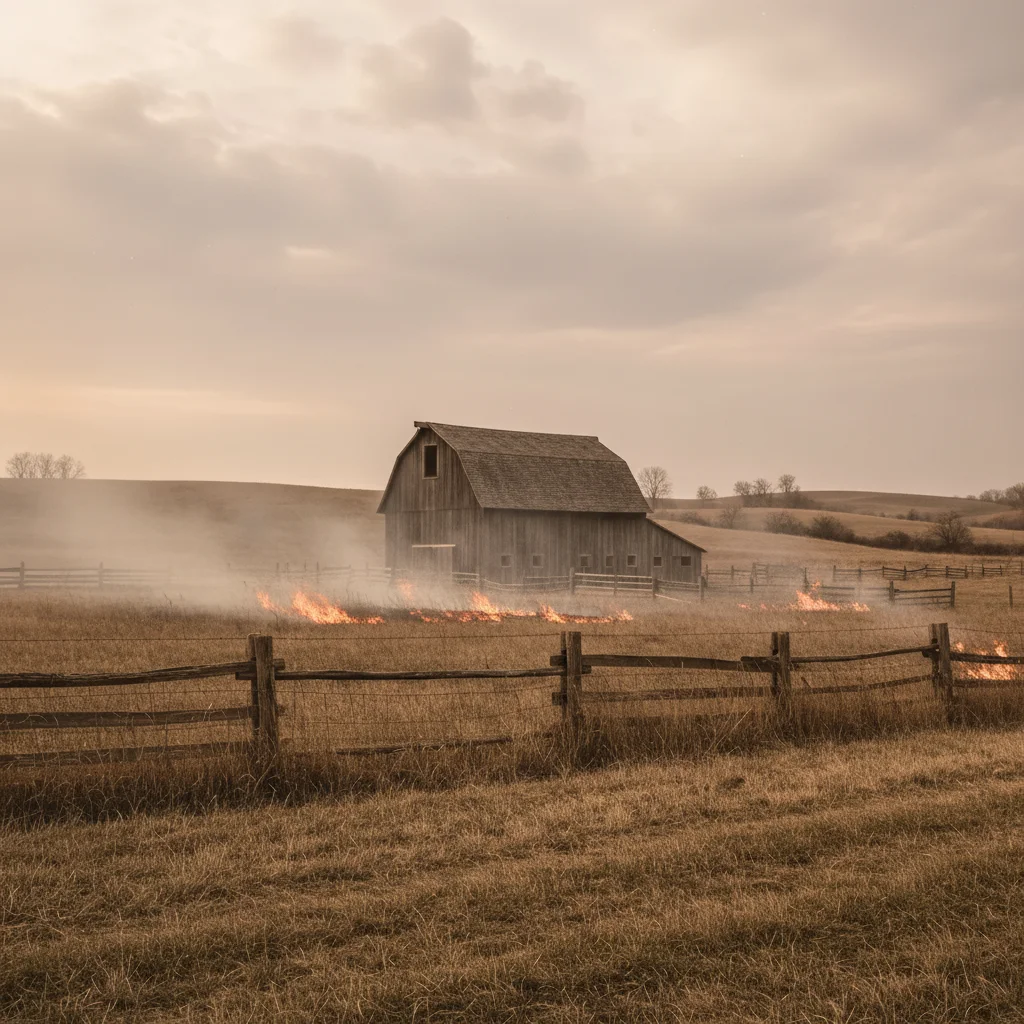
Landscape before sepia tone filter
Before
->
Landscape with strong vintage sepia aesthetic
After

Landscape with Vintage Sepia

Transformed landscape into vintage sepia photograph with deep rich brown tones like 1920s photography.

Prompt: apply strong sepia tone with deep rich brown tones like an aged 1920s photograph

Detailed Guides by Scenario

📷

Design Visualization

Preview sepia tone changes on your actual photo before committing — make confident design decisions backed by visuals.

Common Scenarios

  • Simulating sepia tone on a room, outfit, or space to evaluate the look
  • Creating client-ready mockups that visualize sepia tone in their specific context
  • Comparing multiple sepia tone options side by side using the same source photo

Best Practices

  • Upload a clear, well-lit photo from the angle you'd naturally view the subject
  • Be specific about the sepia tone — color, material, size, and placement all matter
  • Generate 2-3 variations to have meaningful options to compare
📷

Professional Proposals

Win client approval with realistic sepia tone previews that show exactly what the finished result will look like.

Common Scenarios

  • Building a presentation deck with sepia tone visualizations for a client pitch
  • Showing stakeholders sepia tone options before ordering materials or starting work
  • Creating before-and-after comparisons of sepia tone for a project proposal

Best Practices

  • Use the client's own photos for the most persuasive previews
  • Label each option clearly (Option A, B, C) for easy discussion
  • Note that sepia tone previews are approximations — set expectations about final results
📷

Personal Decision-Making

Try before you buy — preview sepia tone on your own photos to make smarter purchasing and lifestyle decisions.

Common Scenarios

  • Previewing sepia tone before making an expensive purchase
  • Testing how sepia tone looks in your actual space or on your actual person
  • Sharing sepia tone previews with family or friends to get opinions before deciding

Best Practices

  • Upload a photo of the actual space/item/person — generic stock images won't help you decide
  • Try the most different options first (bold vs. subtle) to narrow down your sepia tone preference
  • Save each preview so you can flip between them when comparing

If something looks off

AI changed the wrong area or colors look unnatural

Why: Sepia tone applies globally to the entire image. It's a color grade, not a selective edit.

Try: Sepia works on whole images. If results look off, adjust intensity: 'apply subtle sepia' for gentle effect or 'strong sepia' for full vintage conversion.

Tip: Markers don't help with sepia since it's a global color filter. Instead, specify sepia intensity and warmth level.

Sepia tone is too strong or too orange

Why: The sepia intensity was too high or skewed toward orange-brown instead of neutral warm brown.

Try: Request balanced tone: 'apply classic sepia tone with neutral warm brown' or 'subtle sepia with gentle brown tint.'

Tip: Authentic sepia is warm brown, not orange. Specify 'classic sepia' or 'warm brown' for proper vintage tone.

Sepia tone is barely visible

Why: The sepia effect was applied too subtly, making it look like a slight color cast rather than vintage aesthetic.

Try: Increase intensity: 'apply strong sepia tone with deep brown vintage aesthetic' or 'classic sepia with pronounced warm brown tones.'

Tip: If sepia is too subtle, explicitly request 'strong' or 'pronounced' sepia for visible vintage effect.

Photo looks flat or loses depth after sepia

Why: Sepia conversion reduced contrast or tonal range, making the image appear less dimensional.

Try: Request preserved contrast: 'apply sepia tone while maintaining strong contrast and tonal depth' or add 'with rich shadows.'

Tip: Good sepia preserves contrast. Specify 'maintain contrast' or 'rich tonal range' to keep image depth.

Quick answers

Do I need to mark areas before applying sepia tone?

No! Just describe the filter: 'apply sepia tone to this photo' or 'add vintage sepia effect.' Sepia is a global color grade that applies to the entire image. Markers don't help—instead, specify sepia intensity (subtle, classic, strong) and warmth level.

What is sepia tone and why was it used?

Sepia tone is the warm brown color characteristic of photographs from the late 1800s through mid-1900s. It resulted from a chemical process using sepia pigment (from cuttlefish) that improved photo longevity. Beyond preservation, sepia became valued for its warm, nostalgic aesthetic. Today, sepia tone is applied for vintage styling and emotional warmth, evoking memories and historical atmosphere.

Can I apply sepia to black and white photos or only color?

Sepia works on both color and black and white photos. For color photos, it converts to brown monochrome. For black and white photos, it adds warm brown tones to replace the neutral grays. Both achieve the same vintage sepia aesthetic. Starting with black and white may give slightly cleaner results since there's no color conversion step.

Is there a free sepia filter that doesn't need photo editing software?

Yes. EditThisPic is a free browser-based sepia filter with no signup or software required. Just upload your photo, describe the sepia intensity you want, and download the result. Unlike Photoshop or photo apps, our AI applies authentic sepia tone automatically with proper warm brown color science. First filter application is free with no account needed.

Is EditThisPic's AI sepia tone applyer really free?

Yes — you get 1 free edit per week, no account needed. For unlimited edits, plans start at $3.99/month.

Can I apply sepia tone on my phone?

Yes. EditThisPic works in any mobile browser — iPhone, Android, tablet. No app download needed.

What photo formats does the AI sepia tone applyer support?

JPG, PNG, WebP, and HEIC. Upload any common photo format and EditThisPic handles the rest.

How long does it take to apply sepia tone?

Usually 15-30 seconds. Upload your photo, describe what you want, and the AI delivers the result.

Ready to add sepia tone to your photos?

Free to try. No signup required.