Free โ€ข No signup Simulate Ombre hair color ยท Free

AI Ombre Hair Simulator
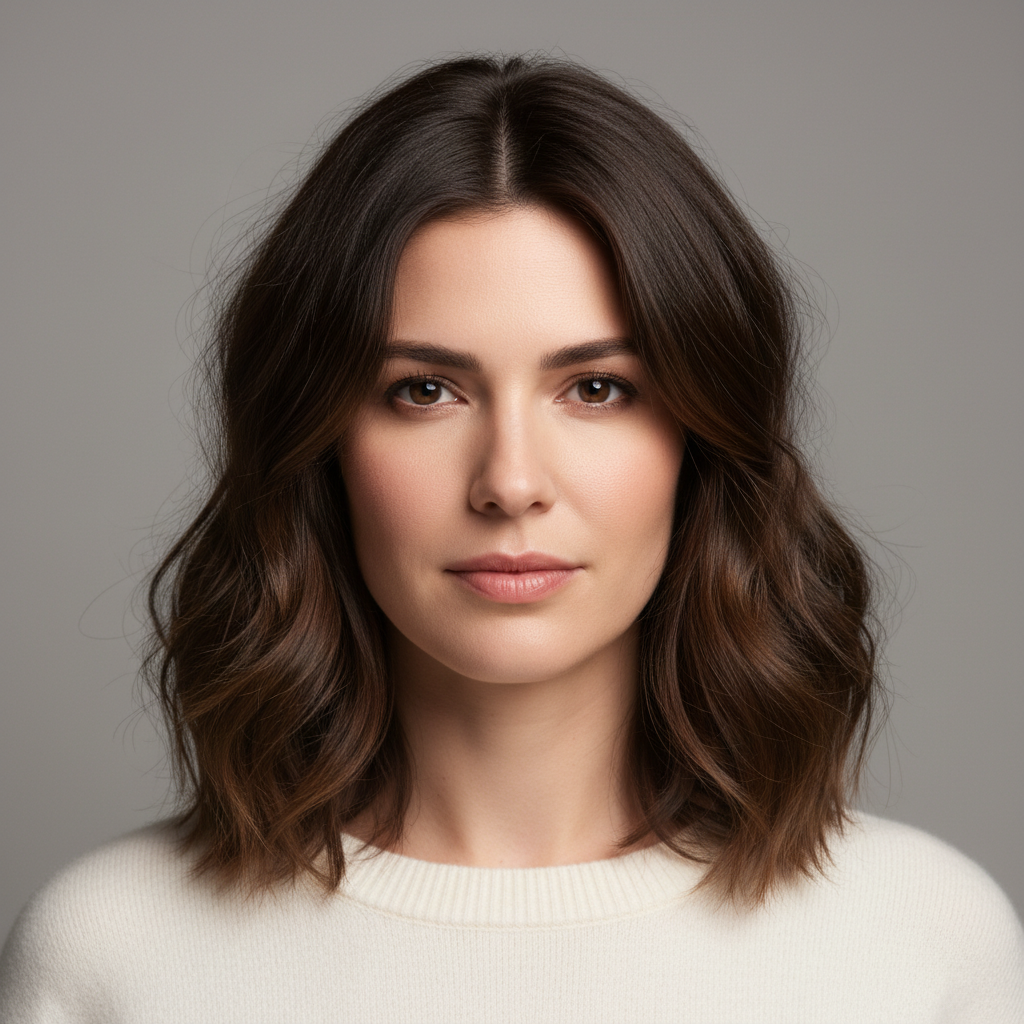
Before
Before
โ†’
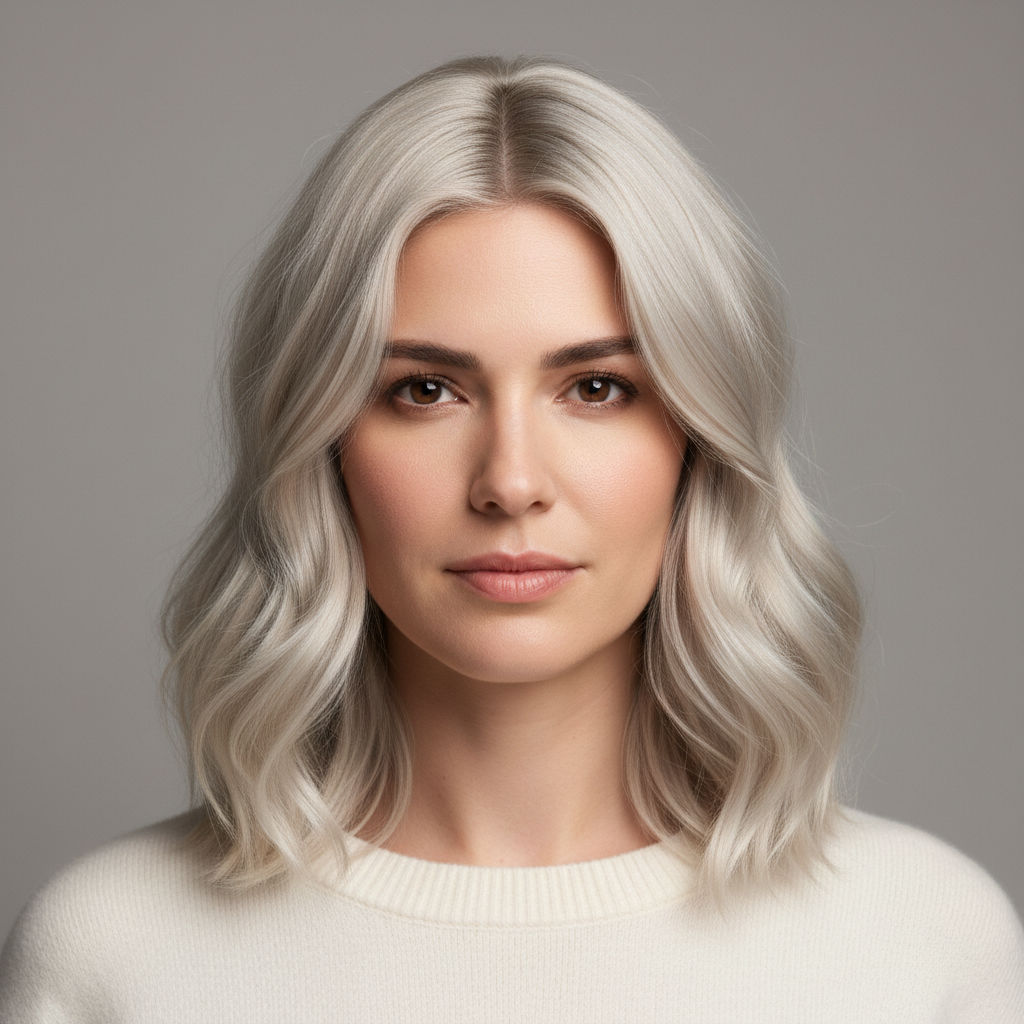
After
After

Free AI Ombre Hair Simulator

Drop your photo here

or click to browse

Release to upload

Free โ€ข No signup

Advertisement
Popular use cases:
  • ombre hair simulator
  • try ombre hair color
  • blonde ombre preview
  • dark to light hair gradient
  • virtual ombre try on
  • ombre before and after
  • test ombre colors
  • hair gradient simulator

Cost
Free No signup required
Time
Instant results in 15-30 seconds
Works on
Any device - browser, phone, tablet, desktop
Powered by
AI-powered photo editing
Scenario Prompt Time
15-30s
15-30s
15-30s
15-30s
15-30s

How it works

  1. Upload your photo

    Choose a photo showing your hair, especially the ends. Ombre is a gradient effect from roots to tips, so photos showing hair length work best. The AI will create the color transition you describe.

    Expect: Simple two-color ombre: 30-40 seconds. Complex multi-color gradient or precise placement: 40-50 seconds and may need refinement.
  2. Describe the ombre you want

    Type the color gradient you want - specify the root color (or keep natural) and the end color. Examples: 'dark brown to blonde ombre', 'black hair with purple ends', 'natural ombre from my color to caramel tips'. The AI creates a smooth gradient between the colors.

    Tip: Always specify BOTH the starting color (roots/top) and ending color (tips/bottom) for best results. Mention where you want the transition to start: mid-length or closer to ends.

    Copy one of these to get started:

    simulate Give me dark brown to blonde ombre with smooth gradient starting at mid-length
    simulate Add natural ombre from my current color to caramel blonde at the ends
    simulate Create black to gray ombre with gradient transitioning smoothly to silver tips
    simulate Give me brown roots transitioning to rose gold ombre on lower half of hair
    4 more prompts
    simulate Add bold ombre from dark roots to vibrant purple ends with smooth transition
    simulate Create multi-color ombre transitioning from brown to pink to light blonde at tips
    simulate Give me reverse ombre - light blonde roots gradually darkening to brown ends
    simulate Add red ombre from my natural dark hair to bright copper red at the bottom
  3. Review the result

    Check the color transition, gradient smoothness, and where the ombre starts. Make sure it looks natural and the colors match what you wanted. If adjustments needed, describe changes like 'start the transition lower' or 'make the blend softer'.

  4. Download Your Ombre Preview

    Save your photo with ombre hair in high resolution. No watermark, perfect for showing your stylist or testing colors before committing.

Try it free โ†“

Free AI Ombre Hair Simulator

Drop your photo here

or click to browse

Release to upload

Free โ€ข No signup

See it in action

Before
Before
->
After
After

Classic Blonde Ombre

Give me dark brown to blonde ombre with smooth gradient starting mid-length and ending in light blonde tips

Prompt:
Before
Before
->
After
After

Warm Caramel Ombre

Create natural ombre from my brown roots to warm caramel blonde at the ends with gentle transition

Prompt:
Before
Before
->
After
After

Bold Purple Ombre

Add bold ombre from black roots transitioning to vibrant purple at the bottom half of hair

Prompt:
Advertisement

If something looks off

AI changed the wrong area or something I didn't want changed

Why: The AI couldn't determine exactly which area you meant from description alone.

Try: Tap a marker on the specific area you want to change, then regenerate with the same prompt

Tip: Markers tell the AI 'I mean THIS one specifically.' Use them when description alone is ambiguous.

The transition looks too abrupt or harsh

Why: Ombre requires explicit gradient instructions to create smooth color blending.

Try: Add 'with smooth seamless gradient' or 'softly blended transition' to your prompt and regenerate

Tip: Always use words like 'gradient', 'smooth transition', 'gradually fading' for realistic ombre. Ombre should never have a hard line.

The ombre starts too high or too low on my hair

Why: Without placement specification, AI uses standard mid-length starting point.

Try: Specify where: 'starting the transition at mid-length' or 'ombre beginning closer to the ends only'

Tip: Classic ombre starts mid-length. For more dramatic, start higher. For subtle, start lower near just the tips.

The end color doesn't look right or is too subtle

Why: Color descriptors may need more intensity or the shade needs adjustment.

Try: Use 'vibrant', 'bright', or 'bold' for bolder color. Or specify exact shade: 'platinum blonde' vs 'honey blonde'

Tip: Be specific about the END color since that's the focal point. 'Light blonde' vs 'platinum' vs 'honey blonde' are very different.

Colors don't complement each other or look unnatural together

Why: Some color combinations need careful selection for natural-looking results.

Try: Try complementary combos: dark to light same color family, or analogous colors on color wheel

Tip: Natural: brown to blonde, black to brown, brown to caramel. Bold but wearable: brown to red, black to purple, blonde to pink.

Only some sections of hair have ombre, not all

Why: Hair may be obscured in photo or description implied specific sections.

Try: Add 'throughout all my hair' or 'ombre on all sections, not just visible strands' to ensure full coverage

Tip: Photos showing most of your hair give best results. Hair behind shoulders or out of frame may not get color applied.

Quick answers

Do I need to mark where the ombre should start on my hair?

No! Just describe where you want the transition - 'starting mid-length' or 'beginning near the ends'. The AI understands hair anatomy and applies the gradient accordingly. Only use markers if you want very specific unconventional placement.

Can I try multiple ombre color combinations on the same photo?

Yes! After seeing one ombre, describe different colors and the AI replaces it. Try brown to blonde, then black to purple, then any combination you want. Each generation replaces the previous ombre so you can compare options.

What's the difference between ombre, balayage, and highlights?

Ombre: Gradient from one color at roots to different color at ends (dark to light typically). Balayage: Hand-painted highlights getting lighter toward ends, more natural variation. Highlights: Lightened strands throughout. Ombre has a clear gradient, balayage is more blended, highlights are sectioned. Specify which you want.

What ombre colors work best for my hair color?

Dark hair: blonde, caramel, red, burgundy, or bold colors (purple, blue, pink) all work. Medium brown: lighter blonde, copper, honey. Light hair: can do reverse ombre (darker ends) or pastel tips. Or try any bold color - ombre is versatile! Experiment freely.

How do I get a natural vs bold ombre look?

Natural: Stay within same color family (brown to lighter brown/blonde), start transition lower, use words like 'subtle' and 'natural gradient'. Bold: Contrasting colors (black to platinum), vibrant shades (purple, pink, blue), start transition higher, use 'bold' or 'dramatic' in prompt.

Can I simulate reverse ombre (light to dark)?

Yes! Instead of the traditional dark roots to light ends, describe 'reverse ombre' or explicitly state 'light blonde roots transitioning to darker brown ends'. Reverse ombre is less common but creates a unique look. Just specify the direction clearly.

How do I make the ombre transition more subtle or more dramatic?

Subtle: Use 'soft gradient', 'gradually fading', start transition lower (near ends only), stay in similar color tones. Dramatic: Use 'bold contrast', start transition higher (mid-length or above), choose very different colors, mention 'high contrast'. Also specify how abrupt: 'sudden transition' vs 'long gradient'.

Ready to simulate ombre hair color?

Free to try. No signup required.

Try it free โ†’