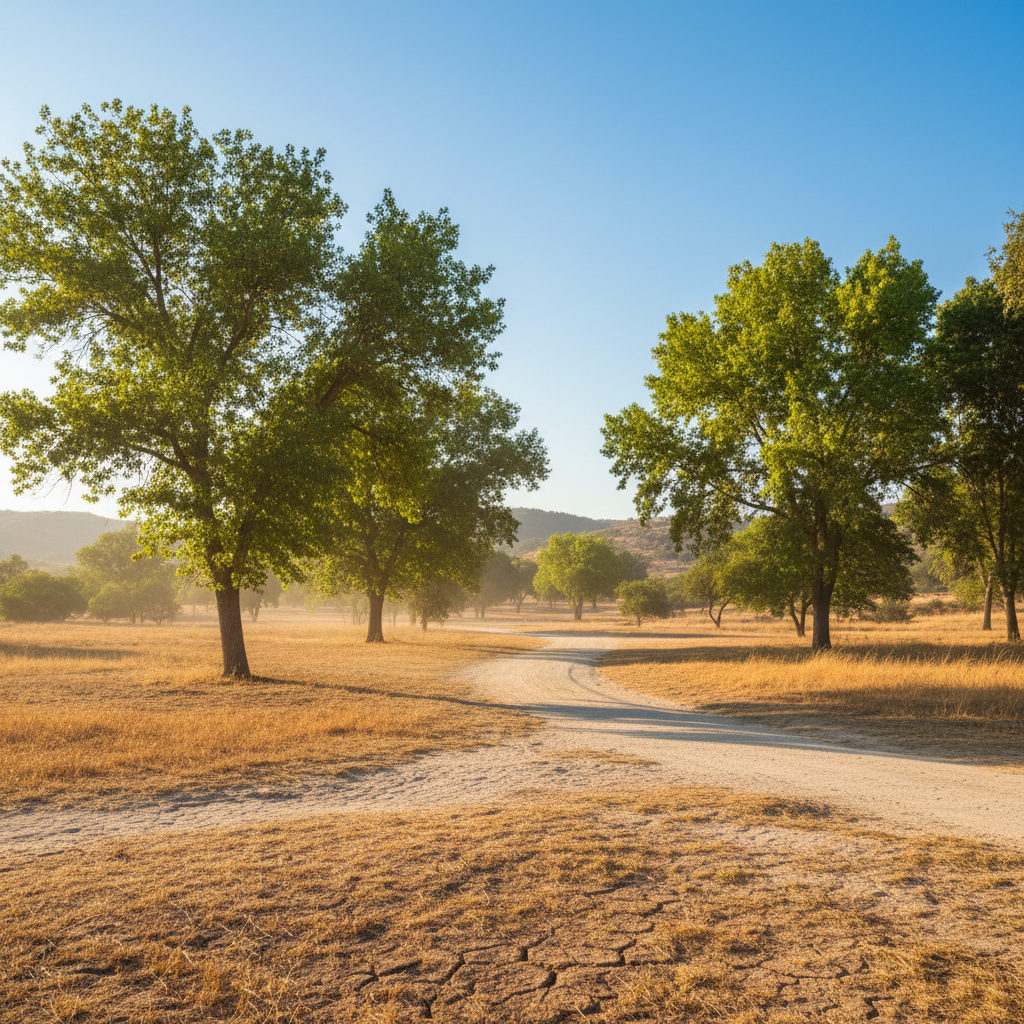
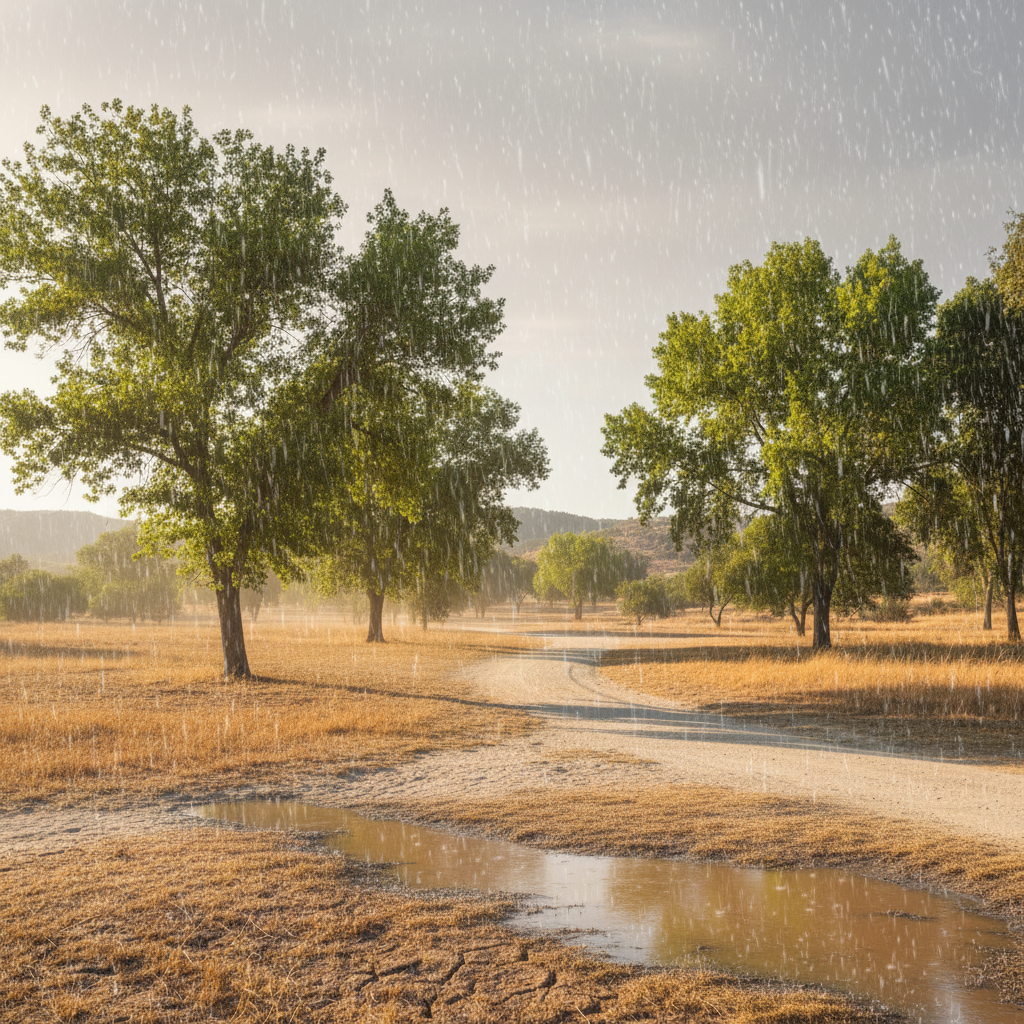
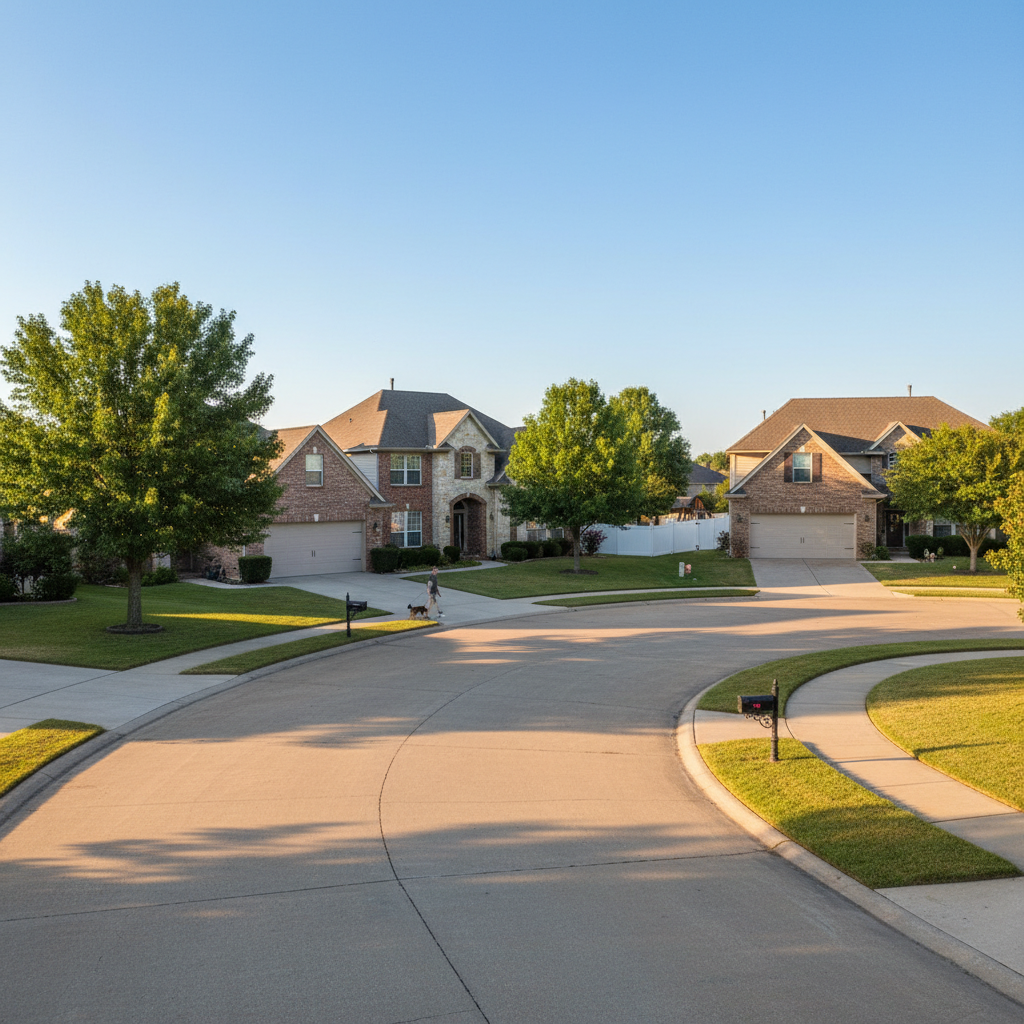
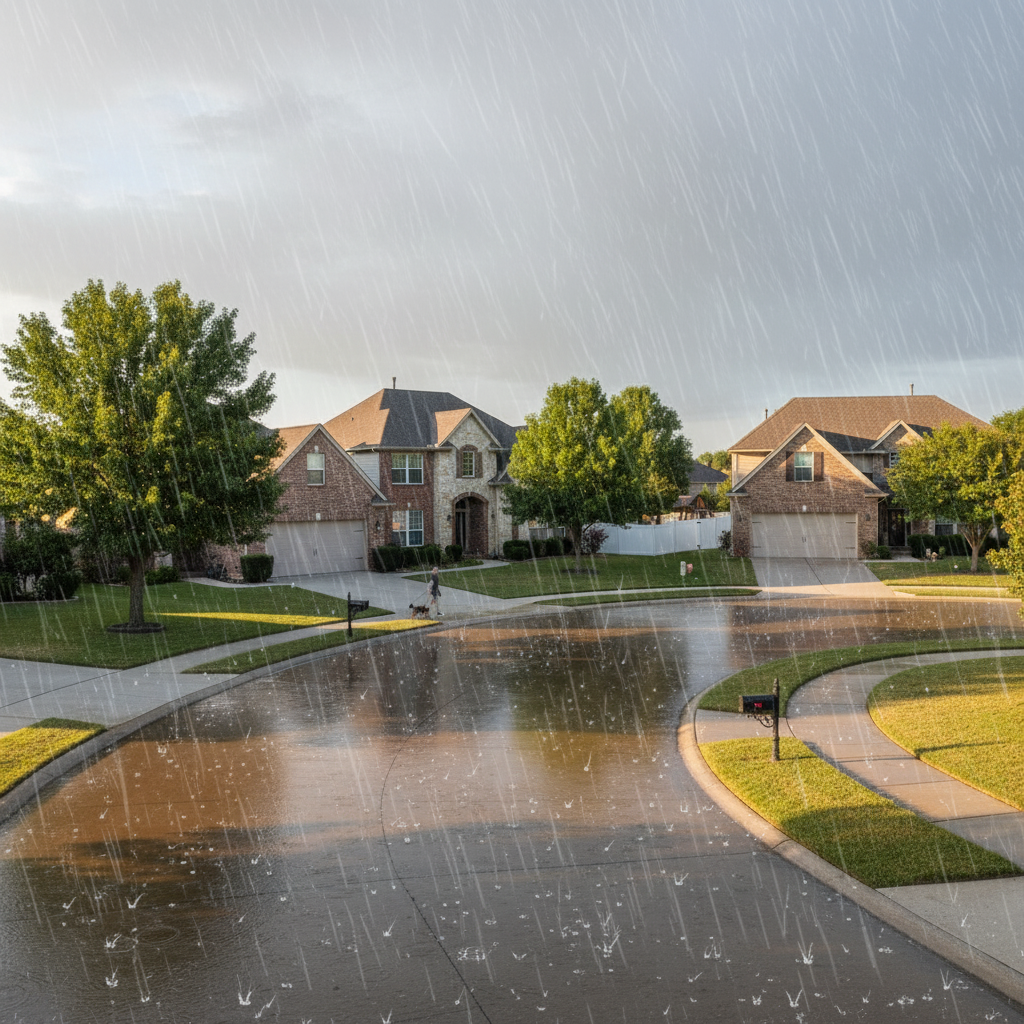
How do I add rain to a photo for free?
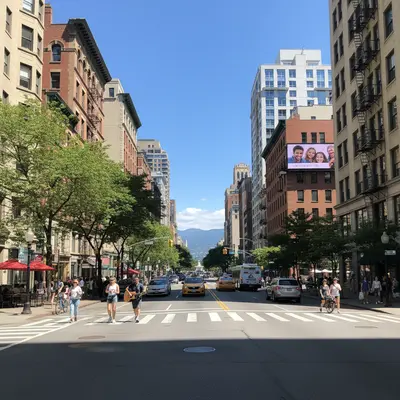
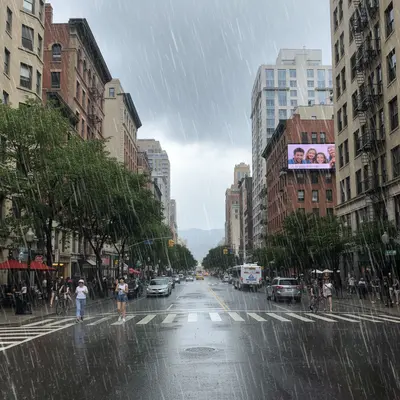
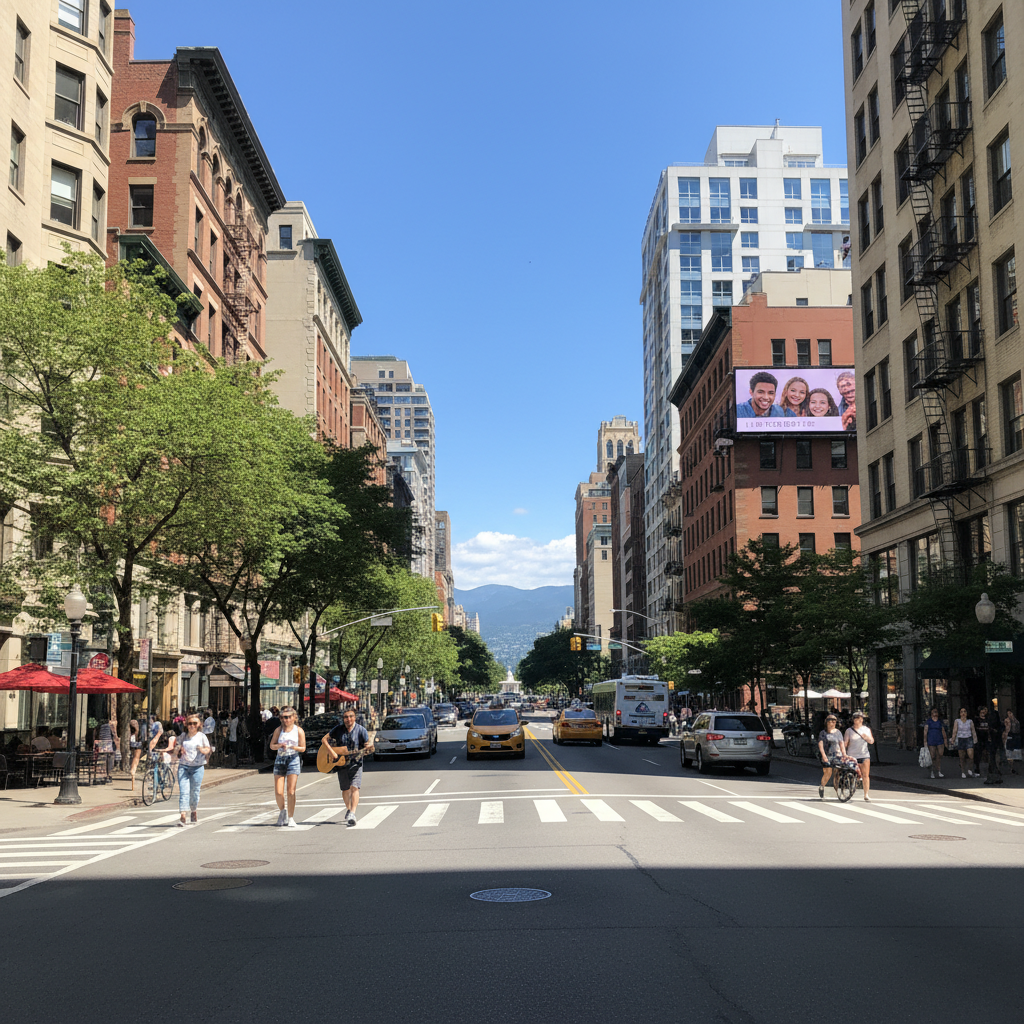
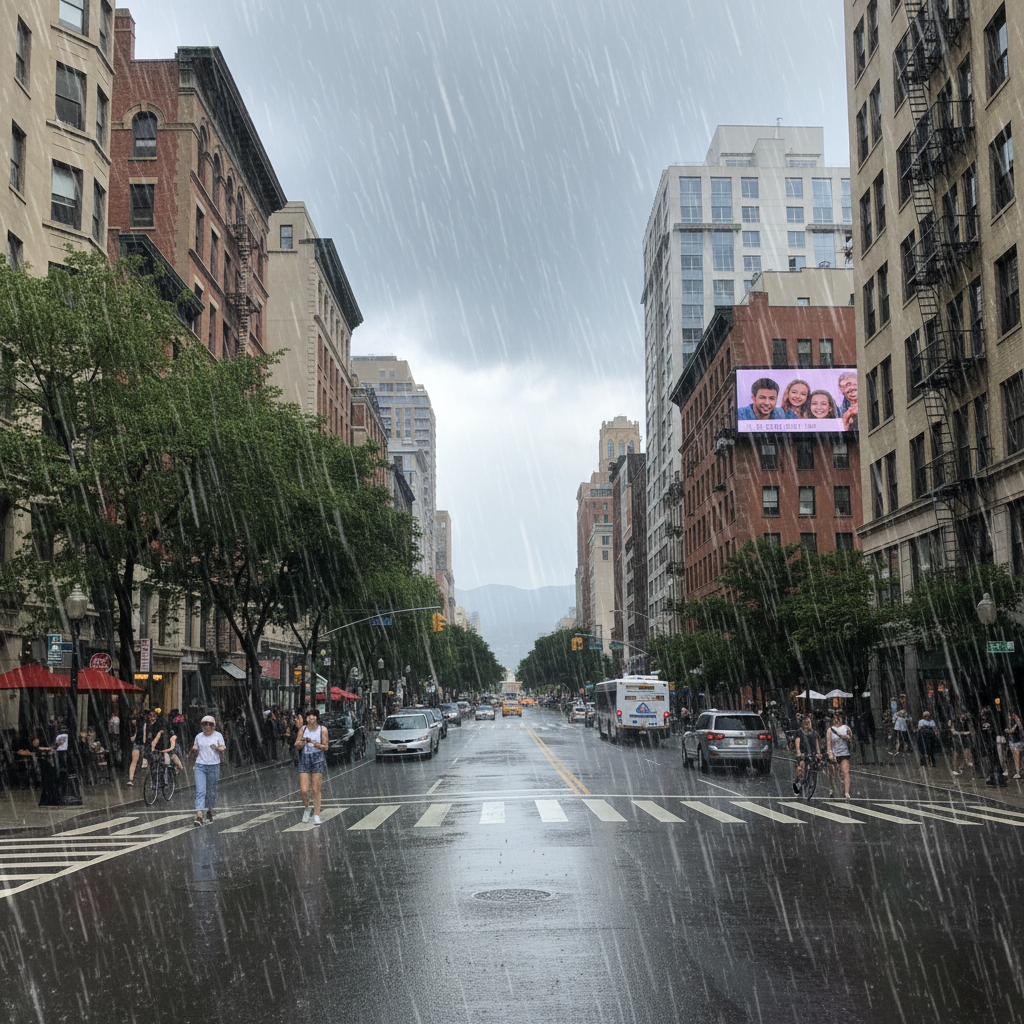
Upload your photo to EditThisPic, type a description like 'add heavy rain with wet pavement reflections,' and click Generate. The AI produces a rain-transformed version in 15–30 seconds. One free preview edit per week with no account required — no signup. Purchased downloads are clean, full quality.
What's the difference between AI rain and a rain overlay?
A rain overlay is a semi-transparent texture layer placed on top of a photo. It adds streaks but nothing else — the pavement stays dry, the color stays warm, the scene looks unchanged underneath. AI-generated rain modifies the whole scene: wet surfaces reflect the environment, color shifts toward blue-gray, atmospheric haze appears at depth, and rain interacts with light sources. The result looks like it was shot in the rain, not filtered.
How do I make rain look realistic — not fake?
Four factors make rain look real: rain streak angle (should match wind direction), wet-ground reflections (essential — dry pavement under rain reads as fake immediately), color desaturation (rain scenes shift 10–20% toward blue-gray), and atmospheric haze in the distance. Mentioning all four in your prompt — 'diagonal rain, wet reflective pavement, blue-gray cast, haze in the background' — produces the most integrated result. The single most impactful addition is almost always the wet-ground reflection.
Can I add rain to a portrait without covering the face?
Yes. Add 'keep the face clearly visible through the rain' or 'concentrate rain in the background, not on the subject's face.' The AI adjusts rain density across the frame in response to these instructions. For portraits, rain looks most cinematic on hair, shoulders, and the background — not as a curtain across the subject's eyes.
What rain intensities can the AI create?
The full spectrum: light drizzle (fine mist, minimal streaks, soft glistening surfaces), medium rain (distinct streaks, wet pavement, overcast sky), heavy downpour (dense diagonal sheets, flooded surfaces, reduced visibility), and storm atmosphere (dark clouds, driving rain, dramatic contrast). Each has different visual characteristics — specify which you want and include adjectives about density, visibility, and ground conditions for precise results.
How do I add night rain with street reflections?
Use a prompt like: 'add nighttime rain with street lamp halos, puddle reflections of the lights, and rain streaks visible in the glow.' Night rain has distinct physics — light sources bloom in wet conditions and reflect in puddles. Naming the specific light interactions (halos, puddle reflections, wet pavement glow) in the prompt produces a more accurate result than simply saying 'add rain at night.'
Can I add rain through a window to an interior photo?
Yes. For interior shots with a window, use 'add rain on the window glass with rivulets running down and the outside scene blurred through the wet pane.' This creates a rainy-day-inside-looking-out effect — water tracks on the glass, a blurred exterior through the wet surface, warm and dry interior in contrast.
What photo types work best for adding rain?
Outdoor scenes with defined surfaces work best — streets, paths, plazas, any photo with pavement or ground that can show wet reflections. Portraits in outdoor settings respond well to rain. Indoor-exterior shots (window views, covered terraces) work for rain-on-glass effects. Pure indoor photos with no window are harder — there's no outdoor context for rain to inhabit. JPG, PNG, and WebP up to 7MB, any resolution.
Is rain editing better for some photography styles than others?
Rain works particularly well on urban street photography (reflections on pavement amplify the geometry), environmental portraits (rain adds narrative without a complex backdrop), and landscape photography (fog-rain combination creates depth layers). It works less reliably on studio portraits against a plain backdrop — there's no environmental context for rain to integrate with. Concert and event photos tend to be too dark and busy for rain to read clearly.
How does EditThisPic compare to Photoshop for adding rain?
Photoshop rain is a multi-step manual process: Motion Blur on a noise layer, then Overlay blend mode, then separate wet-ground and color grading adjustments. An experienced Photoshop user takes 20–40 minutes for a convincing result, and each component (streaks, reflections, color cast) requires separate decisions. EditThisPic generates the full integrated effect from a text prompt in 15–30 seconds. Photoshop wins if you need precise control over every parameter or are processing hundreds of images on a production pipeline. EditThisPic wins for one-off edits and for users who want a result, not a process.
Do I need an account to add rain to photos?
No. One free Fast edit per week with no account, no email, no credit card. Download the result. If you need more than one edit per week, you can buy a 10-edit pack for $4.99 with no subscription required. The free edit is a preview — purchased downloads are clean, full quality.
How much does EditThisPic cost?
You get 1 free edit per week — no account needed. After that, one-time credit packs start at $4.99 for 10 edits, valid 12 months, no subscription. Power users who edit daily can pick Studio Membership, a monthly workspace at $49.99/mo for 300 edits. Purchased downloads are clean with no watermark.